China Hose Crimper: Industrial Precision & Global Reliability Explained
Understanding China Hose Crimper: A Vital Tool in Industrial and Humanitarian Sectors
At first glance, a China hose crimper might seem like just another industrial tool. But if you peel back the layers, you’ll find it’s integral to a sprawling network of industries—from oil and gas to disaster relief—and that makes understanding it pretty important on a global level. Frankly, having reliable hose crimping equipment can mean the difference between safety and catastrophe, especially when dealing with high-pressure pipes or emergency water distribution systems.
Introduction: Global Context and Why China Hose Crimpers Matter
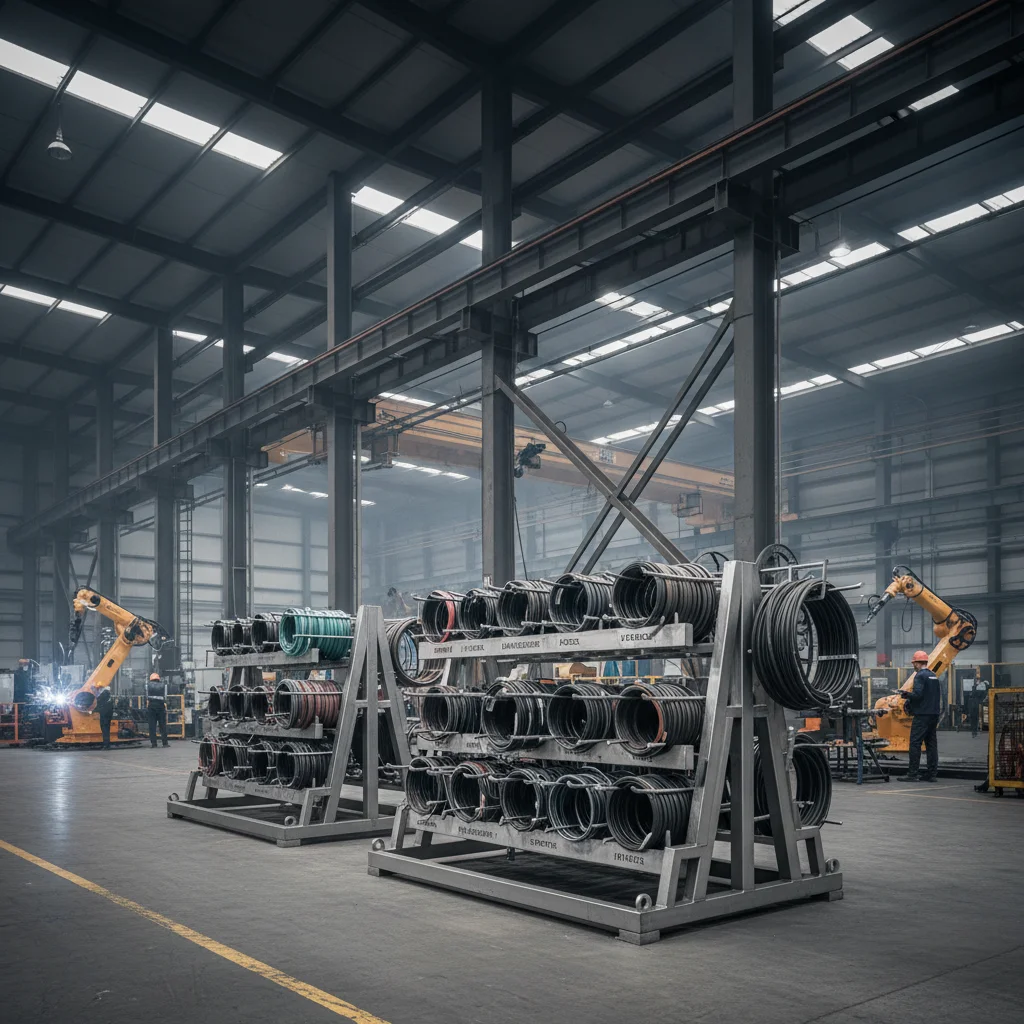
Industries worldwide depend on secure and durable hose connections. According to the International Organization for Standardization (ISO), ensuring efficient hydraulic and pneumatic hose assemblies remains a critical quality and safety standard across manufacturing and construction sectors. China, as a manufacturing powerhouse, produces a significant share of hose crimping machines catering to worldwide needs. Yet, challenges like varying quality standards and supply chain disruptions still emerge. That’s why understanding how the China hose crimper works—and how it can be optimized—matters deeply.
What Is a China Hose Crimper?
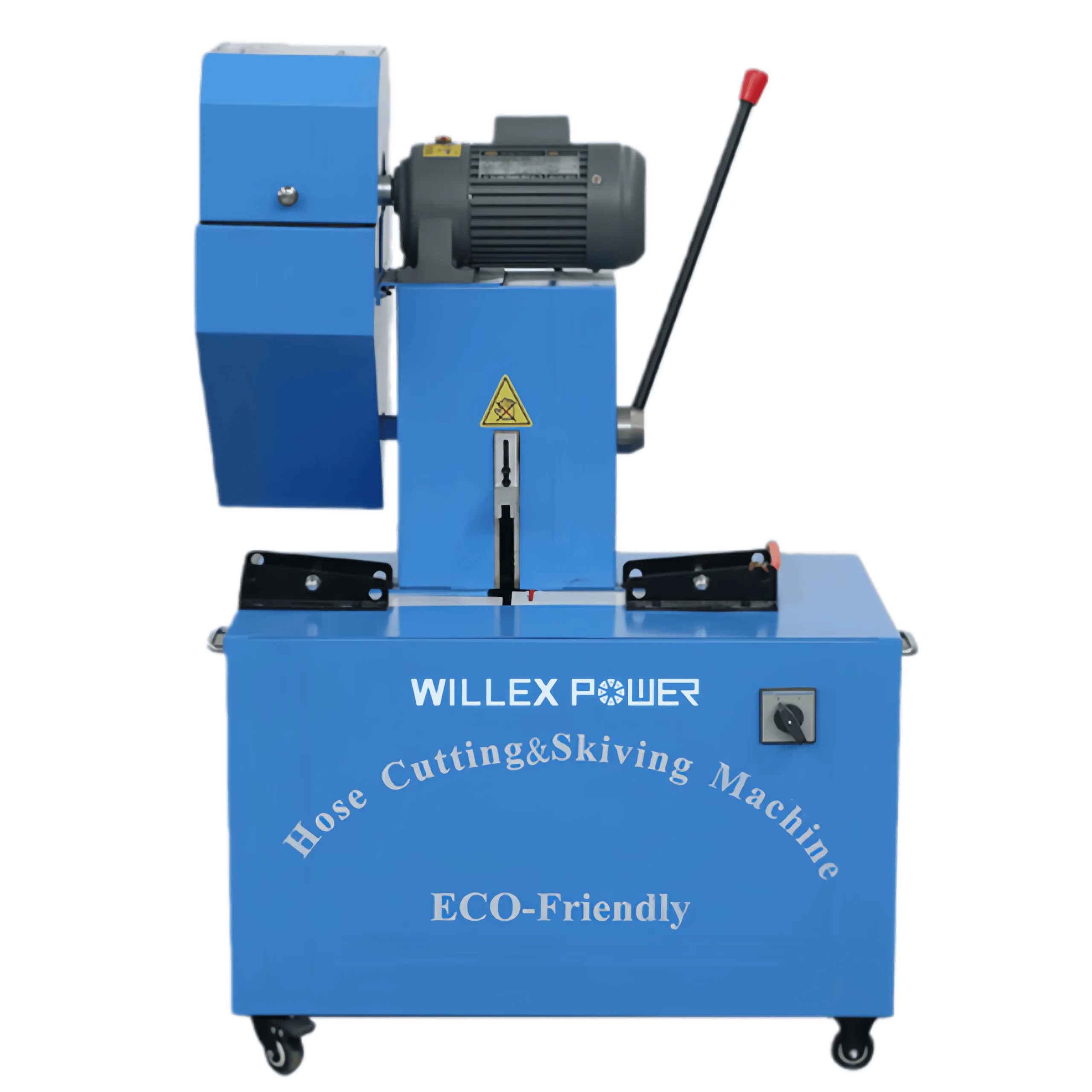
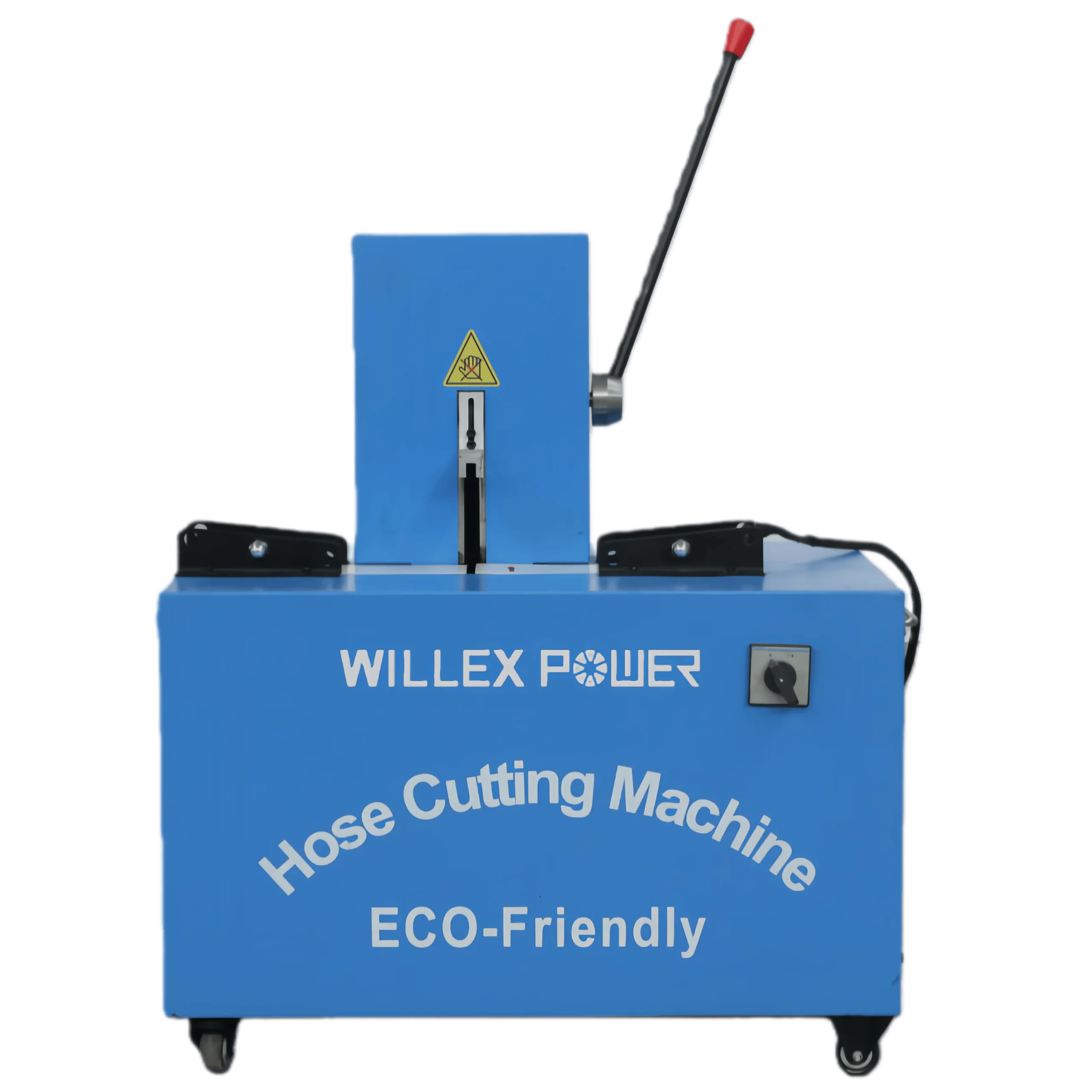
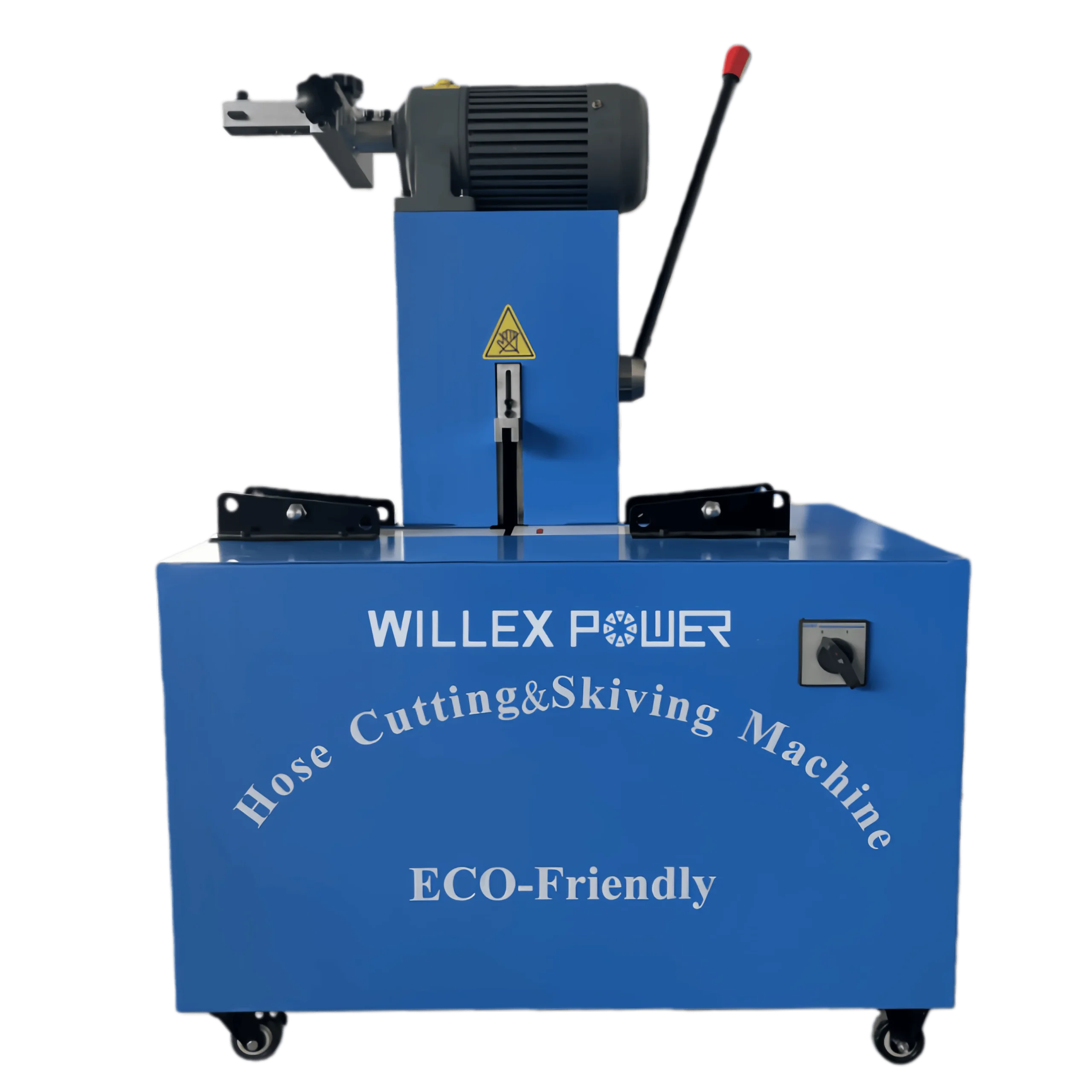
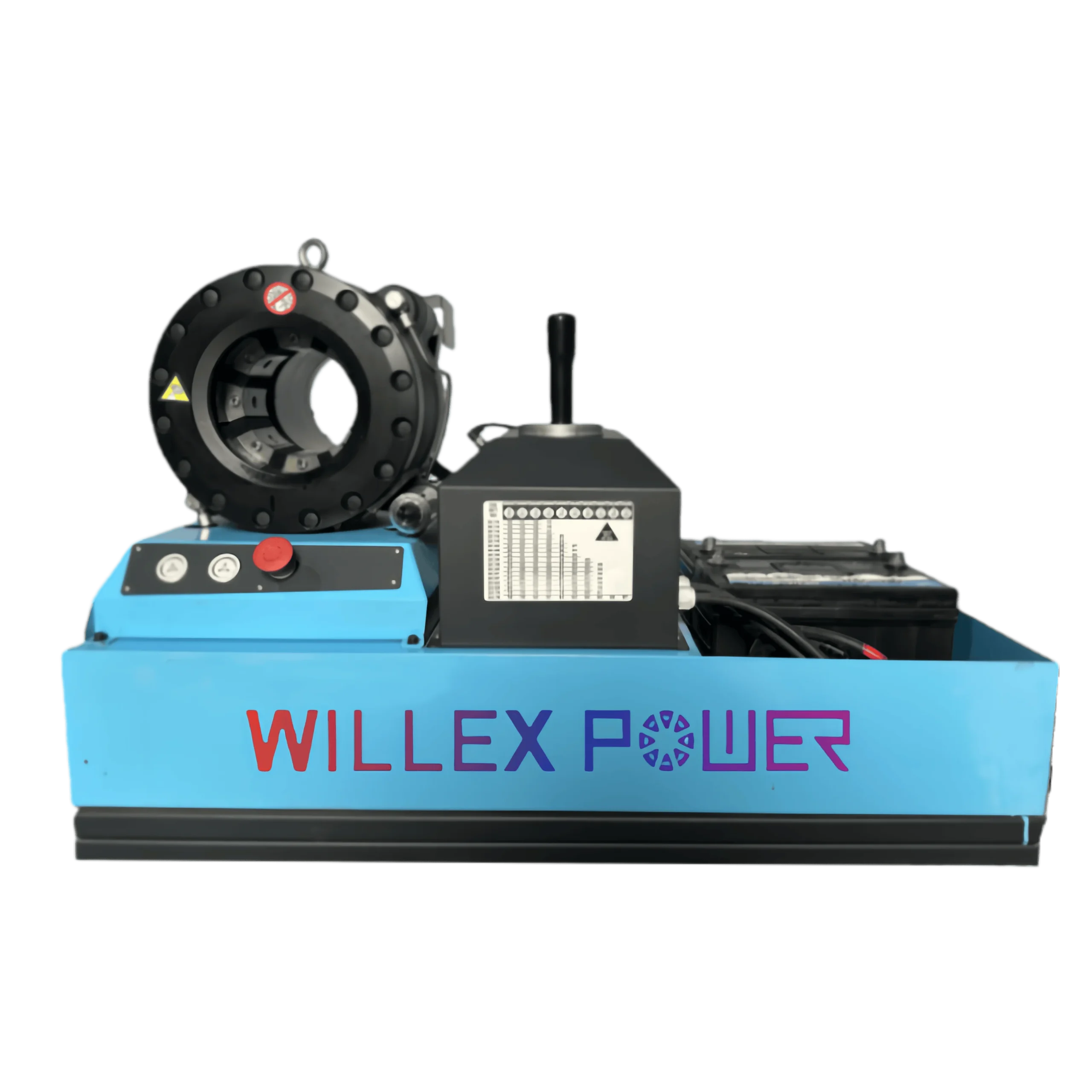
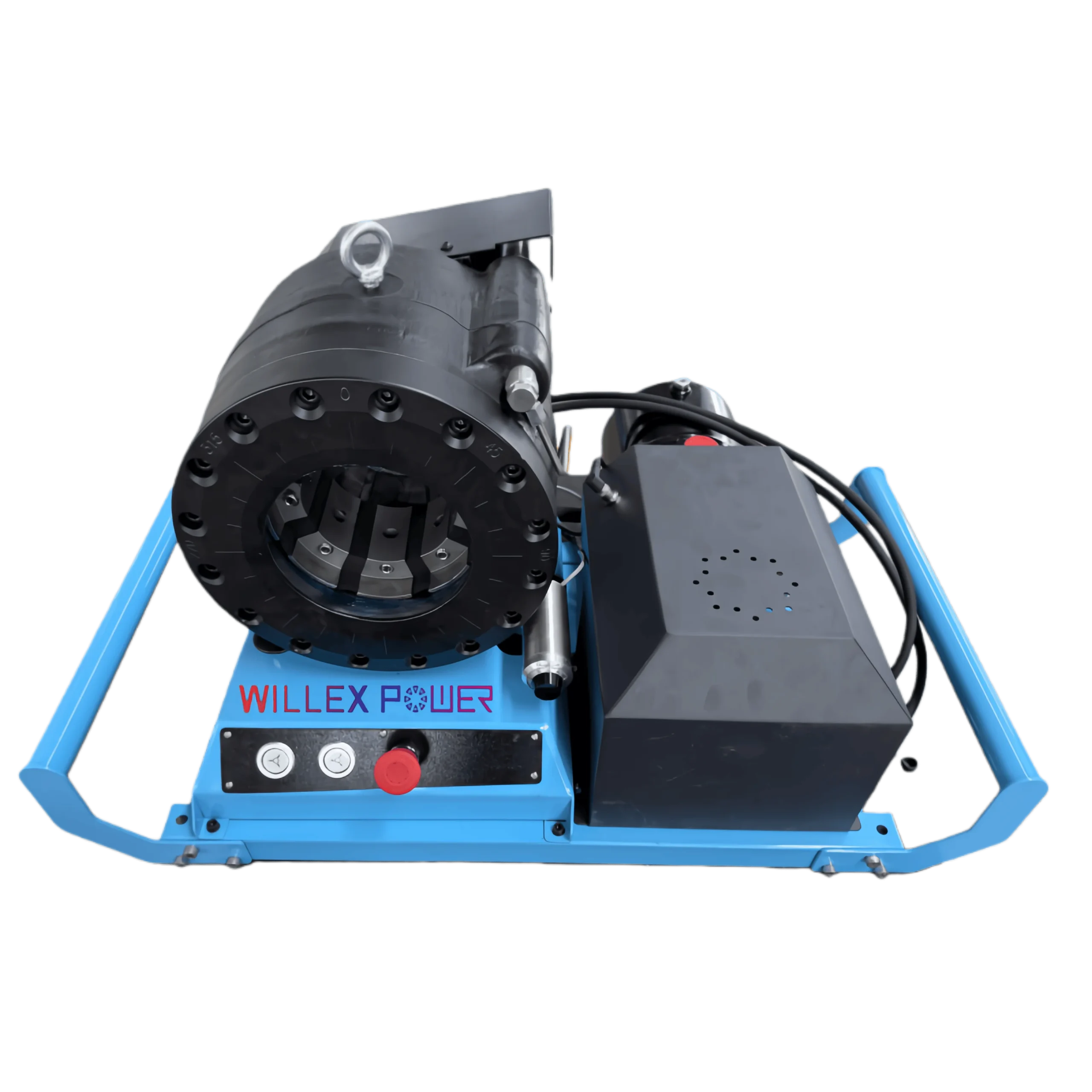
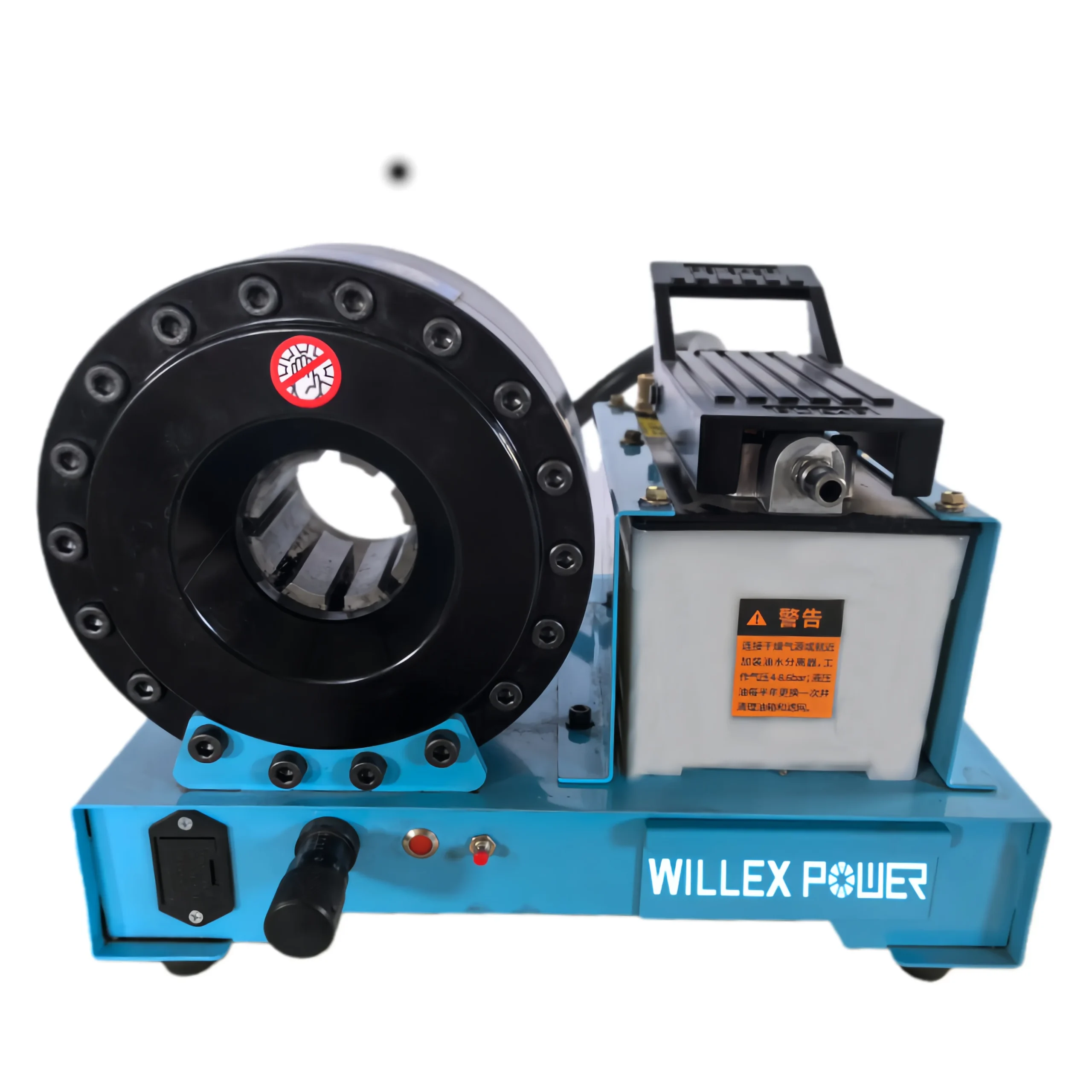
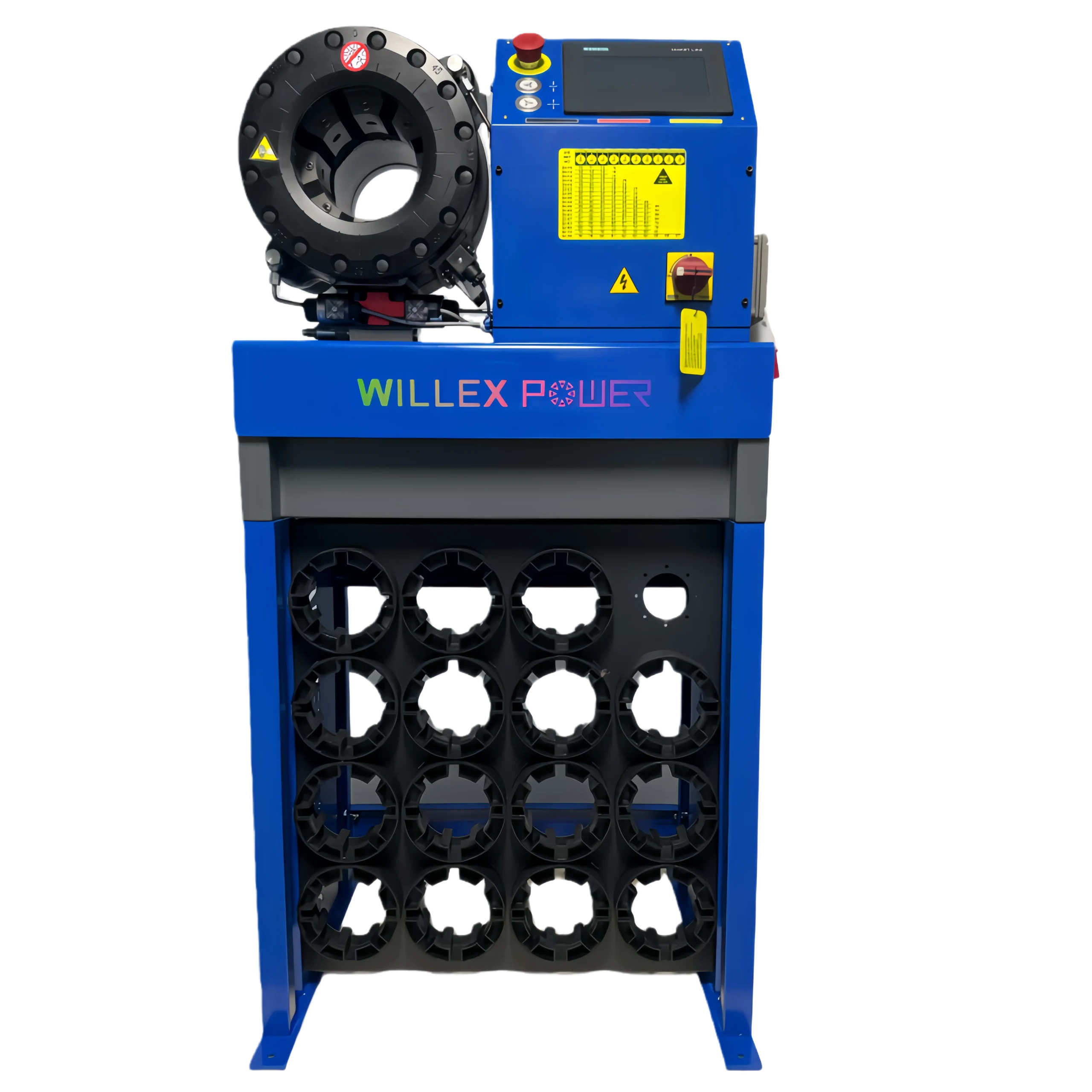
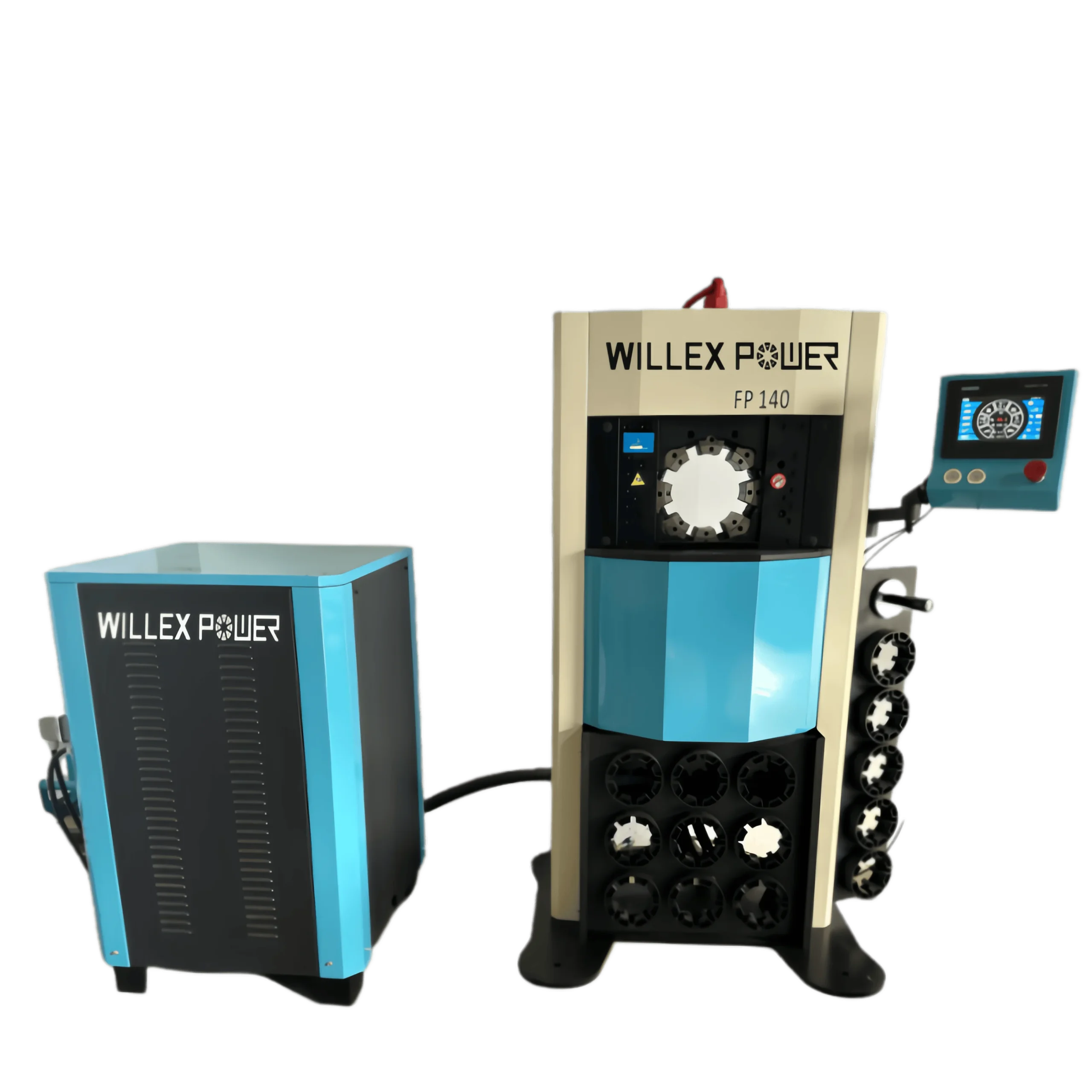
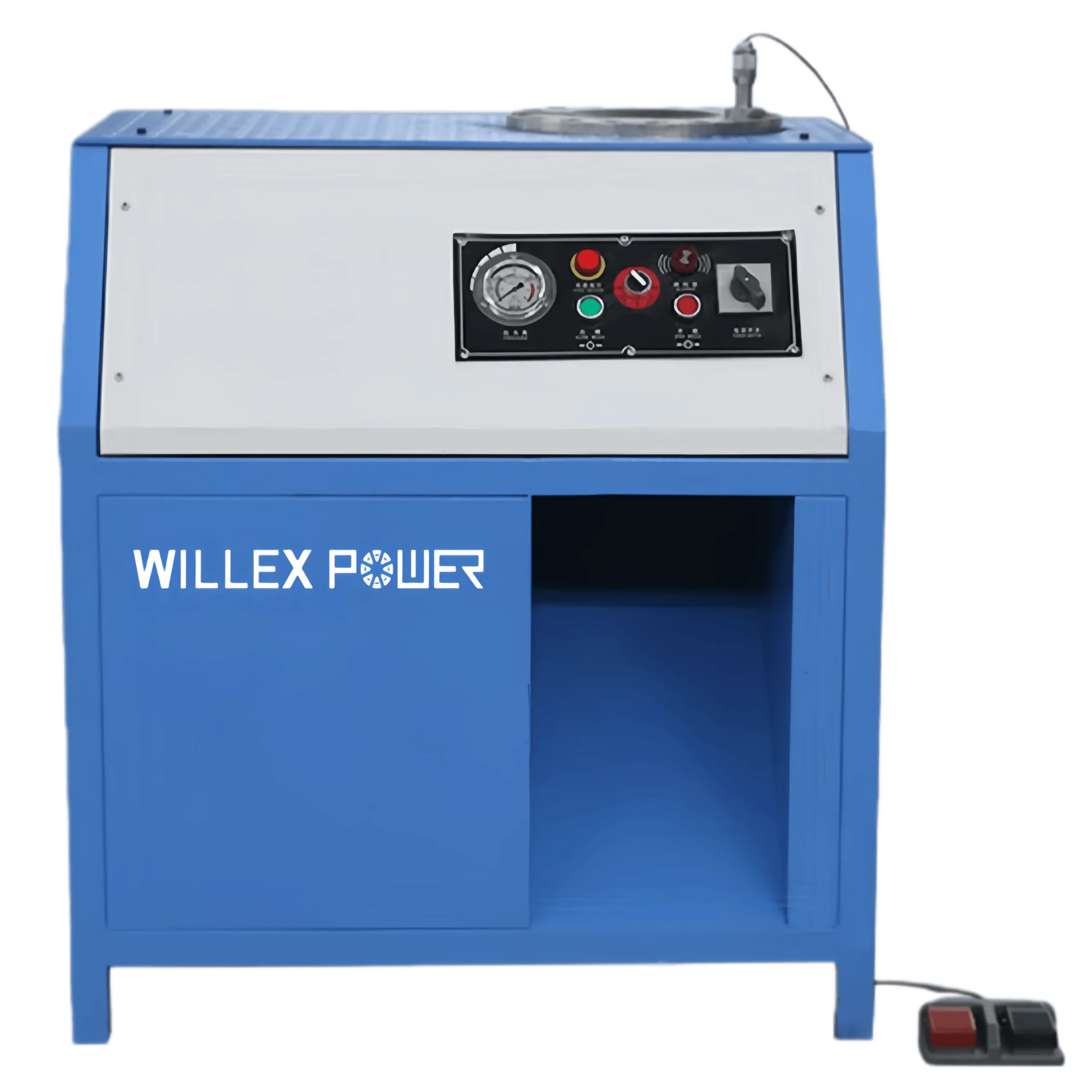
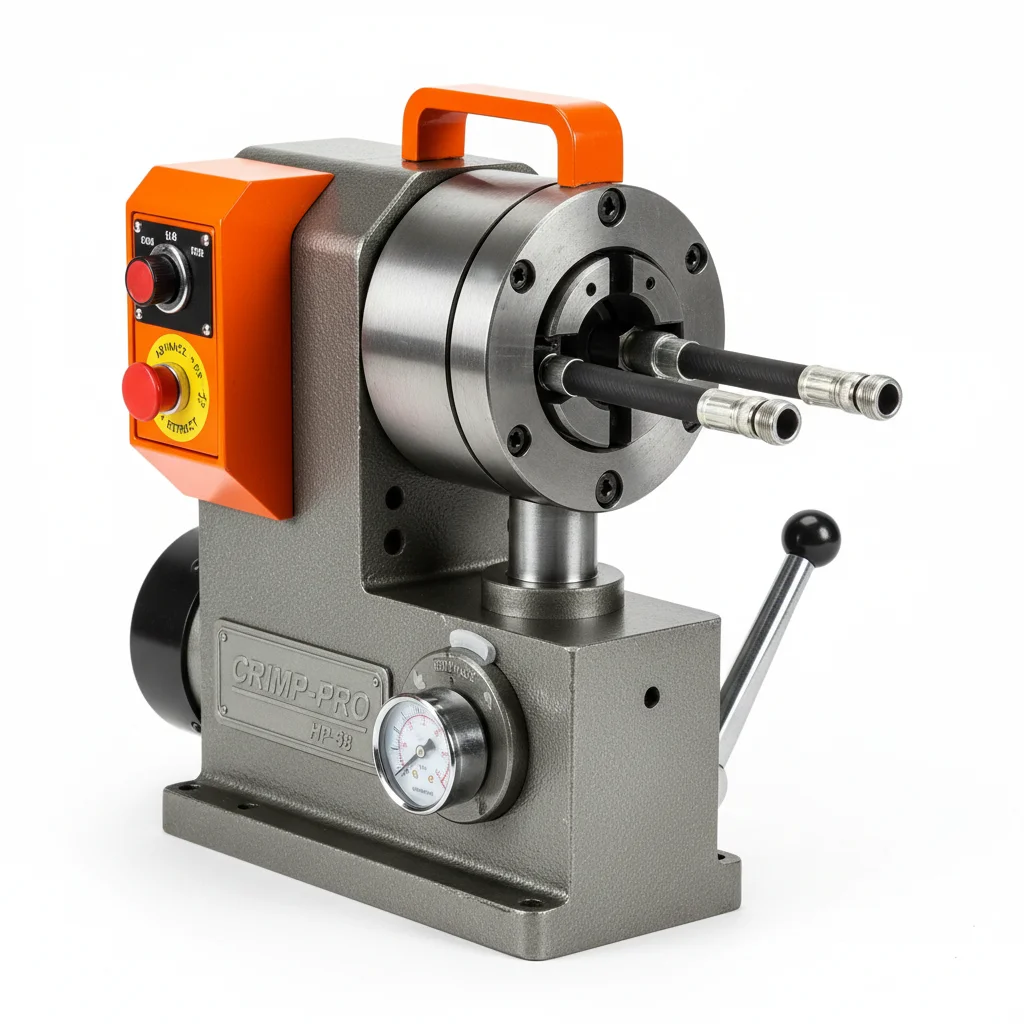
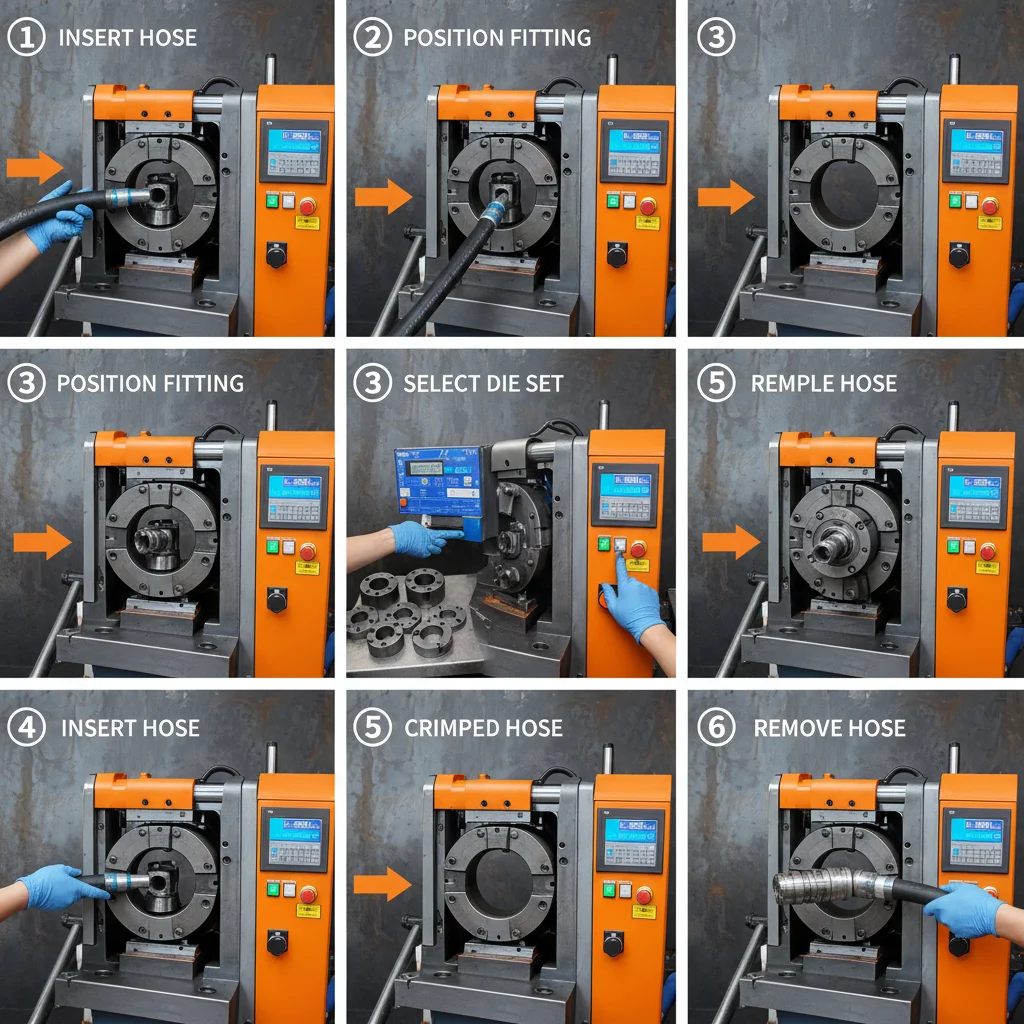
Simply put, a hose crimper is a machine designed to attach fittings onto hoses by compressing or pinching them tightly to ensure leak-proof connections. When we say “China hose crimper,” we usually mean hose crimping equipment manufactured in China, known for a mix of affordable prices and increasingly competitive technical specs. These machines find use in everything from hydraulic hoses on construction sites to medical gas lines in hospitals, bridging a crucial gap between raw materials and functional hose assemblies.
Key Factors of China Hose Crimpers
Durability and Build Quality
Durability is critical. Many Chinese hose crimpers use robust steel frames and hardened dies that resist wear and tear. This ensures the machine doesn’t falter under continuous heavy-duty use—something crucial in industrial environments where downtime can mean lost revenue.
Precision and Crimping Range
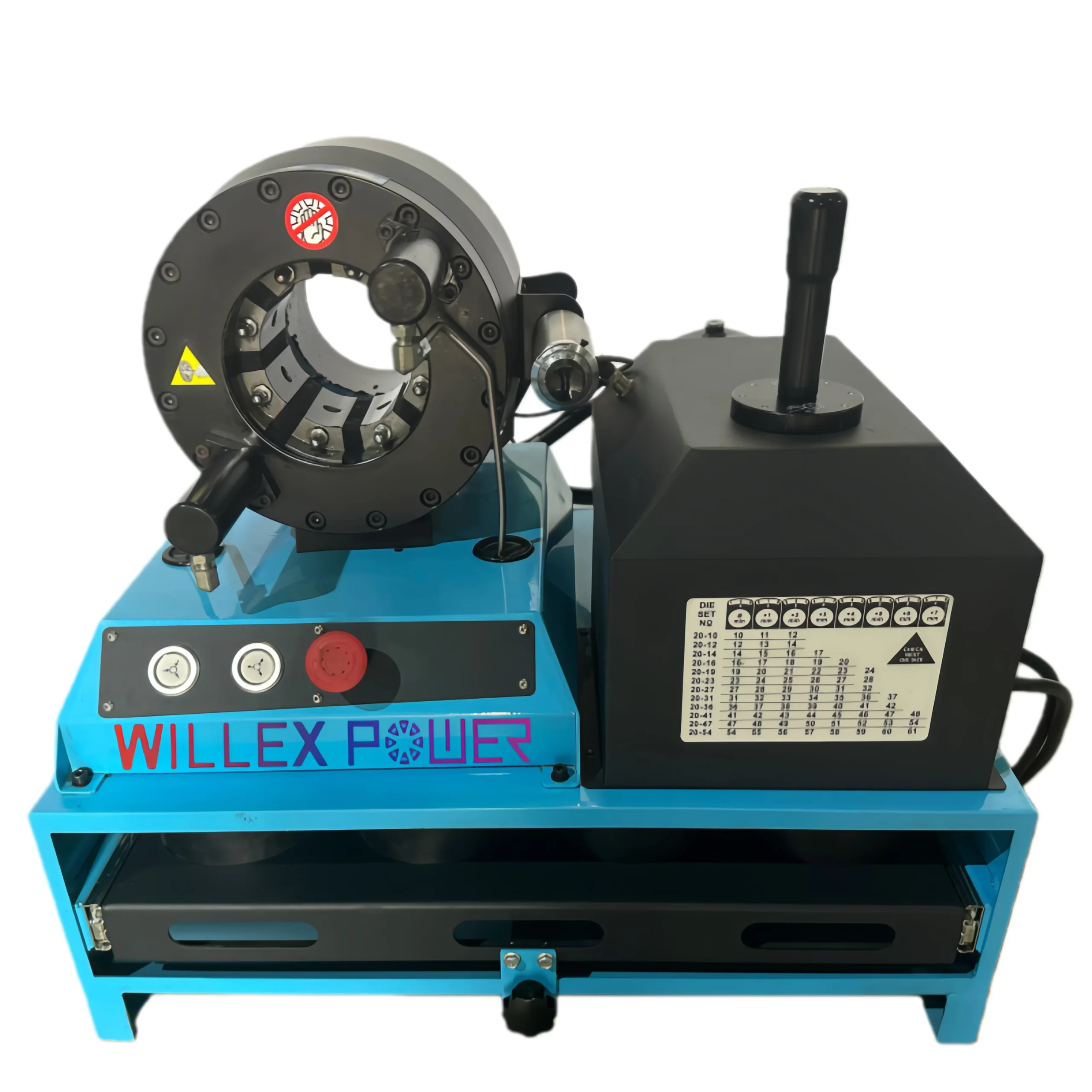
Good hose crimpers offer precise control over crimping diameter and force. For users, this means hose assemblies that exactly fit specifications—no leaks, no weak spots. Fortunately, many Chinese models now come equipped with digital or hydraulic controls that enhance accuracy across a broad range of hose sizes.
Cost Efficiency
One of the main attractions of a China hose crimper is cost-effectiveness. Communicating with manufacturers often reveals competitive pricing without sacrificing basic quality. That said, it’s wise to balance cost savings with after-sale support and warranty terms—areas where some vendors shine more than others.
Portability and Ease of Use
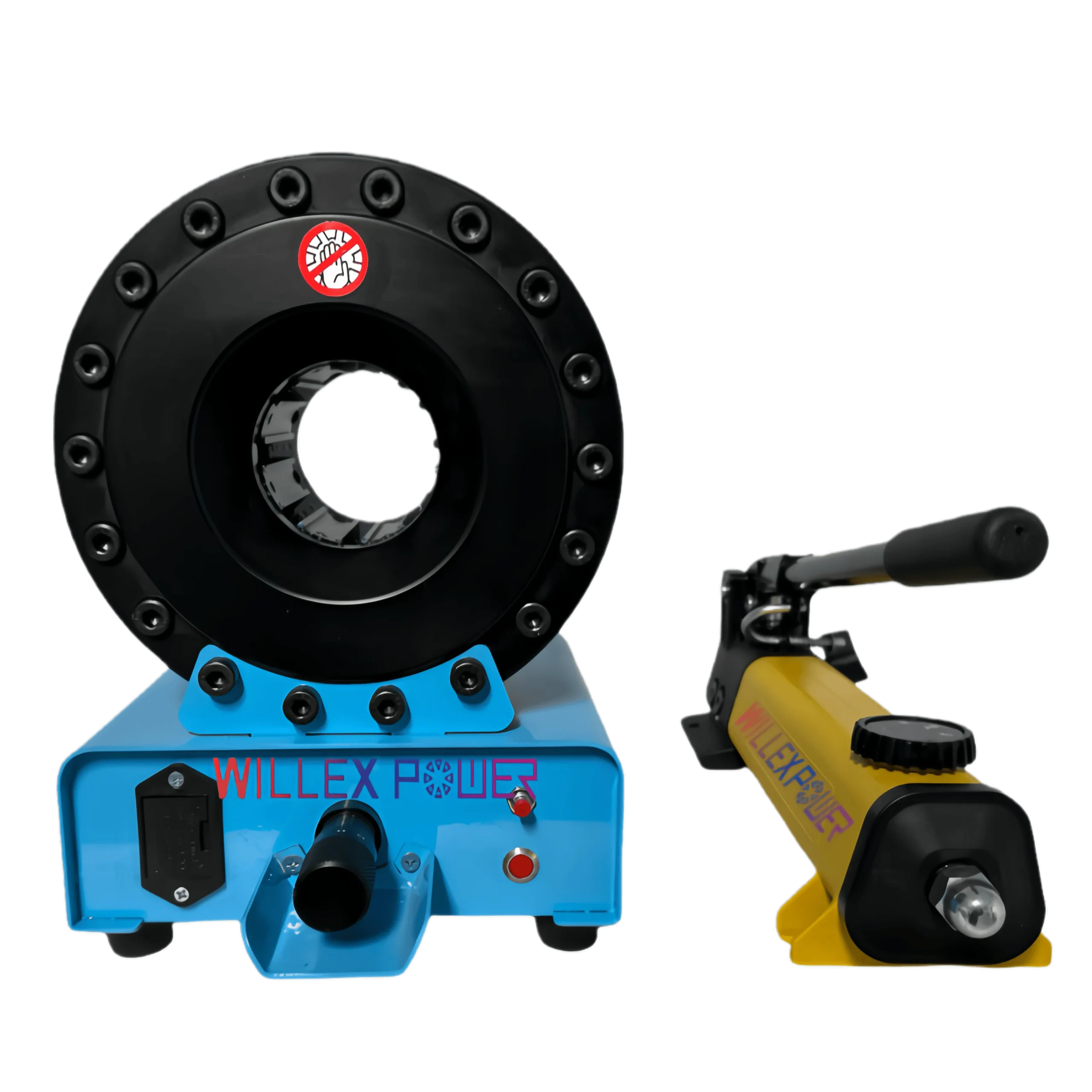
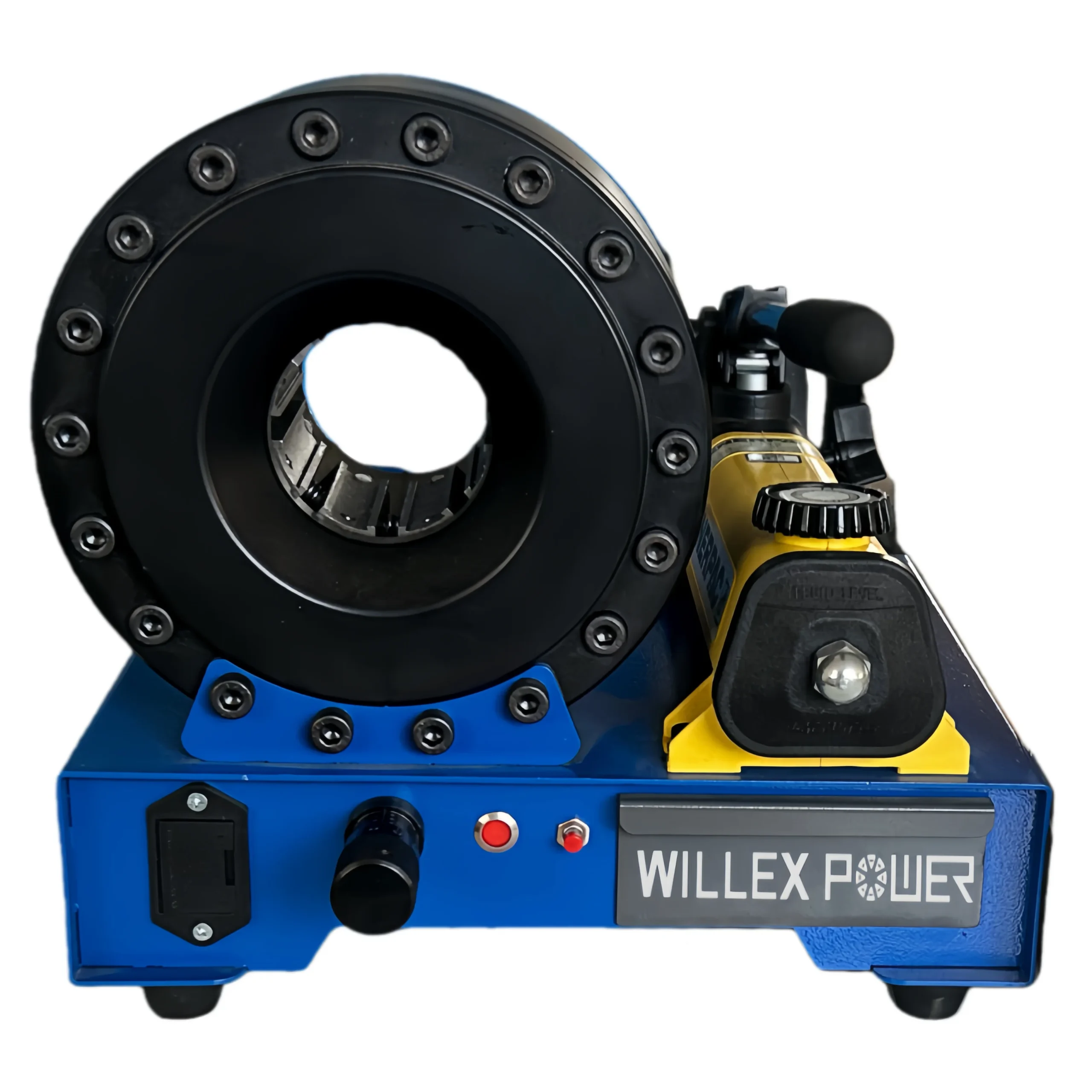
Many hose crimpers made in China come in compact, sometimes portable designs. This advantage is especially clear in field operations or emergency relief, where rugged but lightweight gear allows for fast deployment.
Customization and Versatility
Interestingly, many manufacturers offer customization options, enabling users to tailor crimping heads or programmable cycles to specific hoses or operational demands. This versatility is crucial in sectors like aerospace or food processing, where hose materials and tolerances vary widely.
Product Specification Table
| Specification | Typical China Hose Crimper Model |
|---|---|
| Crimping Force | 100 – 250 Tons |
| Crimping Diameter Range | 6mm – 102mm |
| Power Source | Electric / Hydraulic |
| Control Type | Manual / Digital Display |
| Weight | 50 – 150 kg |
Global Applications & Use Cases
In real terms, the China hose crimper powers a variety of critical operations worldwide. Think oilfields in the Middle East where high-pressure hydraulic hoses must maintain absolute integrity. Or humanitarian missions in Southeast Asia that depend on quick-assembly water delivery systems during floods. Even aerospace manufacturing facilities in Europe rely on precise hose assemblies made possible by these machines.
One notable example: post-disaster relief efforts often require rapid setup of water and fuel lines. Portable hose crimpers originating from China have been instrumental in emergency logistics in countries like the Philippines and Bangladesh. Elsewhere, remote industrial zones in Africa use these crimpers extensively to maintain on-site hydraulic machinery without costly delays.
Vendor Comparison Table
| Vendor | Price Range (USD) | Warranty | Support & Training | Customization Options |
|---|---|---|---|---|
| Willex Crimper | $3,500 – $7,000 | 2 years | Online & On-site | Yes |
| EastPro Machinery | $2,800 – $5,500 | 1.5 years | Limited | Basic |
| Jinlong Tech | $4,000 – $8,000 | 3 years | Comprehensive | Extensive |
Advantages and Long-Term Value of China Hose Crimpers
What really stands out about China hose crimpers is their blend of cost efficiency and growing technical sophistication. Users regularly cite benefits such as reduced downtime, safer hose assemblies, and the ability to adapt to diverse hoses and fittings. On a social level, these machines contribute to safer infrastructure—fuel lines don’t leak, medical oxygen delivery is reliable, and emergency water lines hold firm.
There’s something comforting in trusting a hose crimper that’s been tested repeatedly across industries and countries. It’s that kind of reliability that fosters both innovation and peace of mind on-site—or frankly, just a quieter day without emergency repairs.
Emerging Trends and Innovations
Looking forward, the hose crimper industry is embracing digital automation, precision sensors, and greener manufacturing processes. Hydraulic crimpers with touchscreens and programmable presets are becoming standard, facilitating error-free setups. Oddly enough, some Chinese manufacturers are also experimenting with composite materials for lighter, corrosion-resistant frames. This pushes the envelope in both ergonomics and sustainability.
Moreover, ongoing integration with Industry 4.0 allows remote diagnostics and predictive maintenance—reducing unexpected breakdowns and extending machine life. Environmental responsibility drives newer crimpers to reduce energy consumption and adapt to bio-based hose materials, which signals a greener future.
Challenges & Practical Solutions
It’s not all smooth sailing, though. Many users report inconsistency in quality between vendors, and language or technical support can sometimes be patchy. However, investing time in vetting suppliers—as well as choosing those who offer solid warranties and training—helps overcome many pitfalls.
On the technical side, mismatched crimping settings can cause leaks or damage. So familiarizing yourself with proper calibration—and periodically validating crimp force—are small but vital steps that keep operations safe.
FAQ: Common Questions About China Hose Crimper
- Q: What hoses can a China hose crimper handle?
A: Most models cover a wide range of hoses including hydraulic, pneumatic, and industrial rubber hoses, typically between 6mm and 102mm diameter. Always check manufacturer specs to match your hose type. - Q: How accurate are the crimp measurements?
A: Digital and hydraulic crimpers offer precise control, often with tolerance within 0.1mm, ensuring secure and leak-proof connections. - Q: Are Chinese hose crimpers reliable for high-pressure applications?
A: Yes. Many Chinese machines meet international standards and are widely used in demanding sectors like oil and gas, but verifying certifications and running inspections is advised. - Q: Can these crimpers be shipped internationally?
A: Definitely. Vendors typically offer export-ready packaging and support documentation, but be sure to inquire about customs, warranty, and after-sales service. - Q: What kind of maintenance does a hose crimper require?
A: Basic upkeep involves regular cleaning, lubricating moving parts, and checking calibration. Some advanced models include self-diagnostic features.
Conclusion
All in all, the China hose crimper embodies a fusion of affordability, growing technological sophistication, and practical versatility. Whether you’re an industrial engineer, a humanitarian logistician, or a maintenance manager, choosing the right hose crimper could streamline operations, improve safety, and save costs over time.
Curious? Visit our website: https://www.willexcrimper.com for detailed info and support in finding the right hose crimper solution for your needs.
Takeaway: Trustworthy hose crimping isn’t just about pressing metal—it’s a behind-the-scenes enabler of safety, efficiency, and innovation.
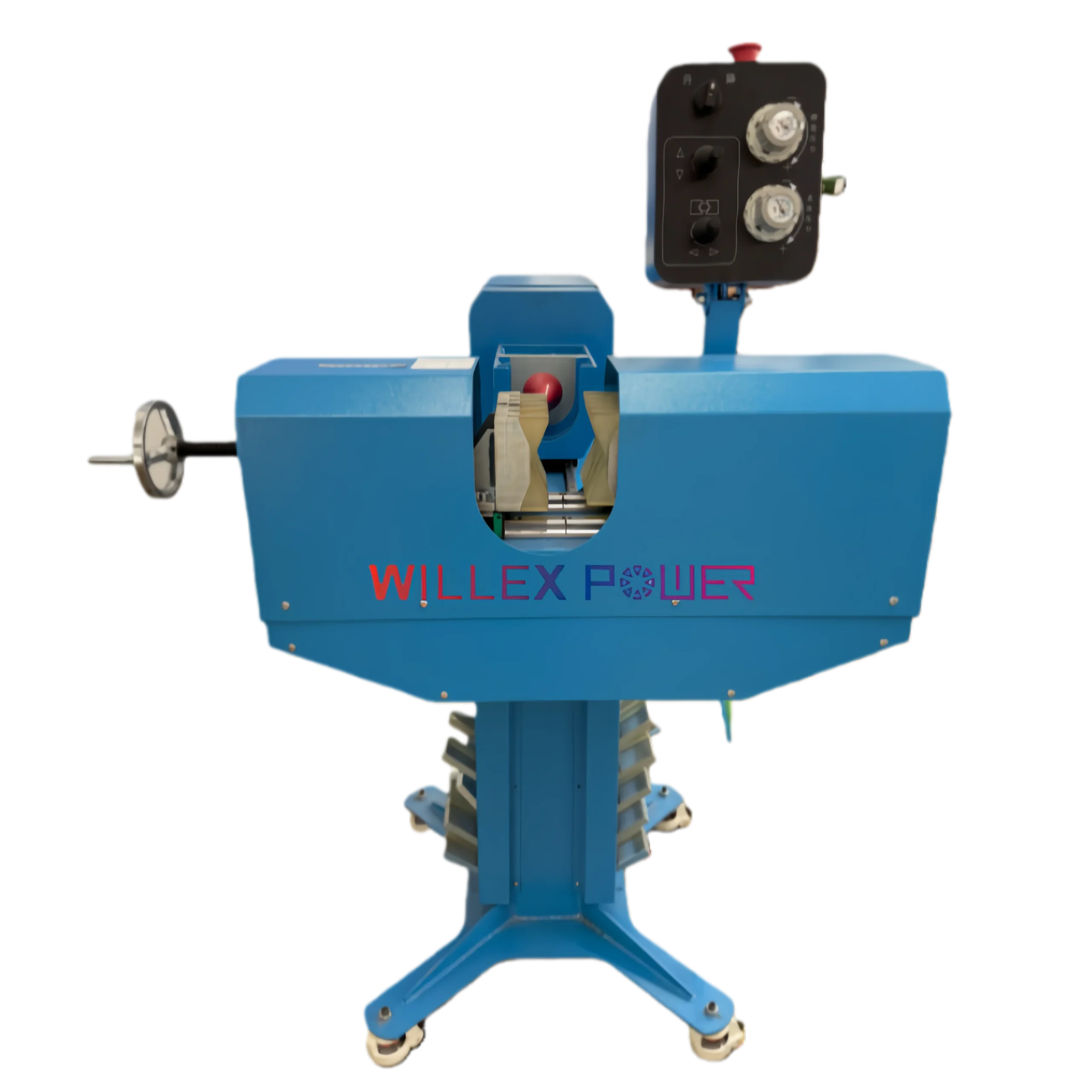
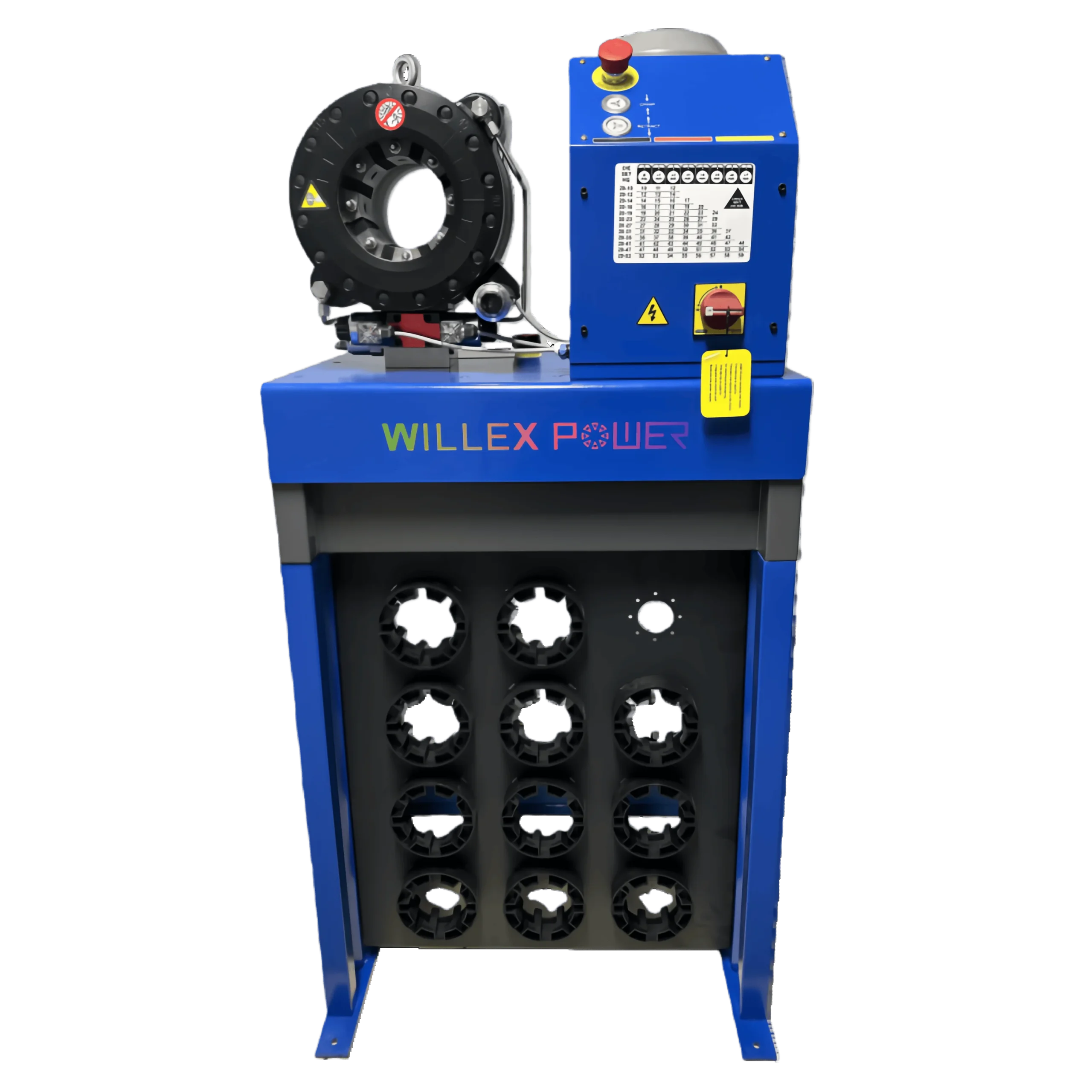
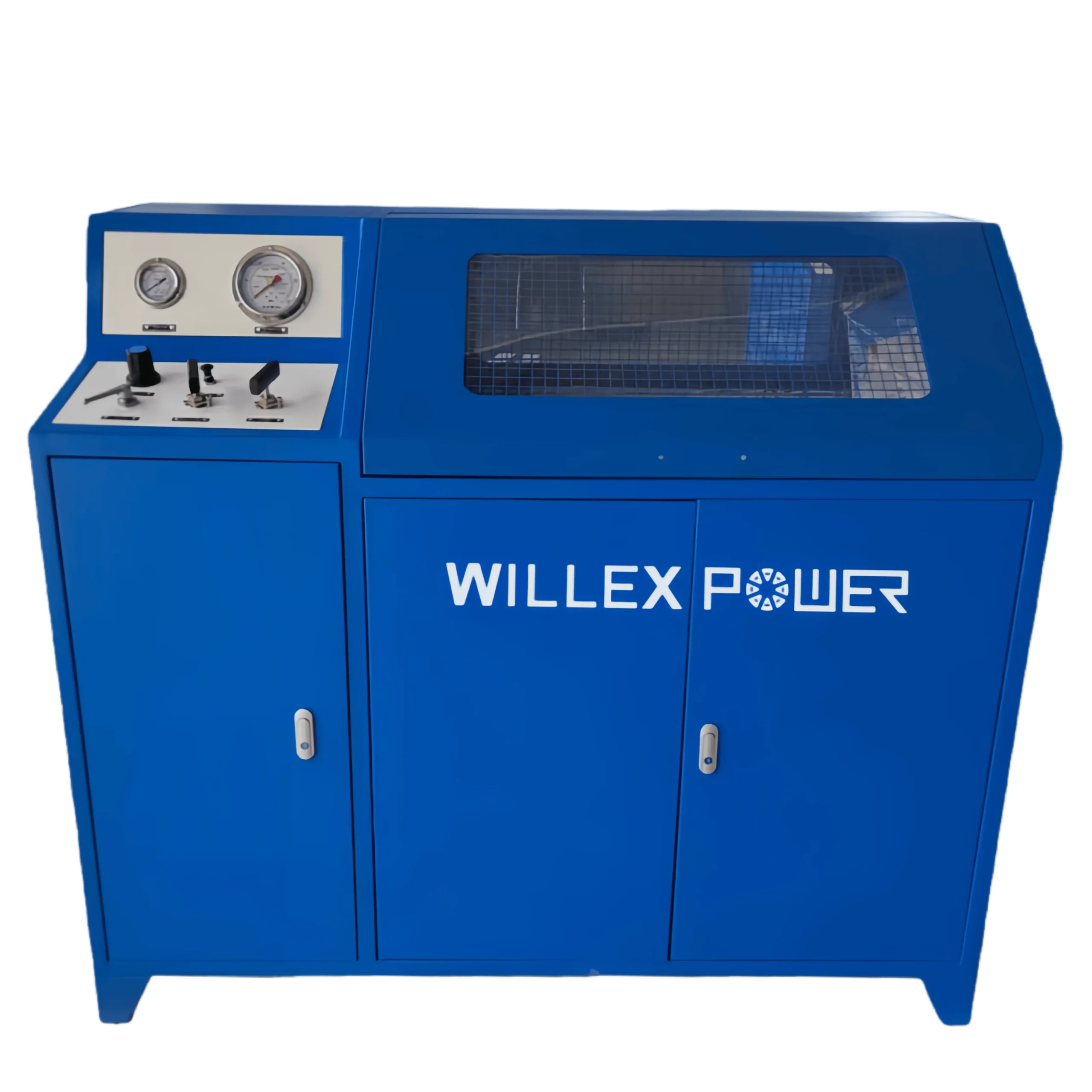
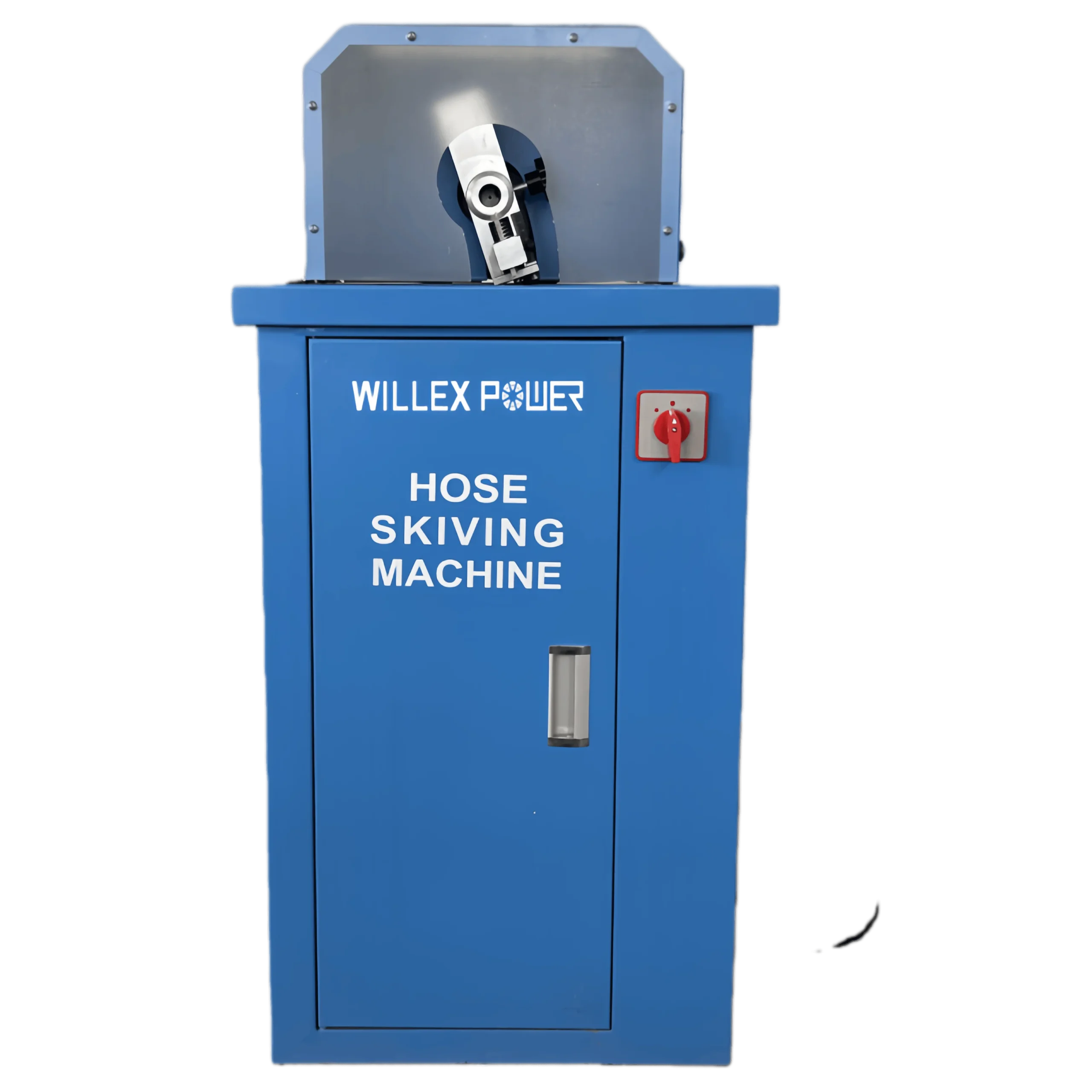
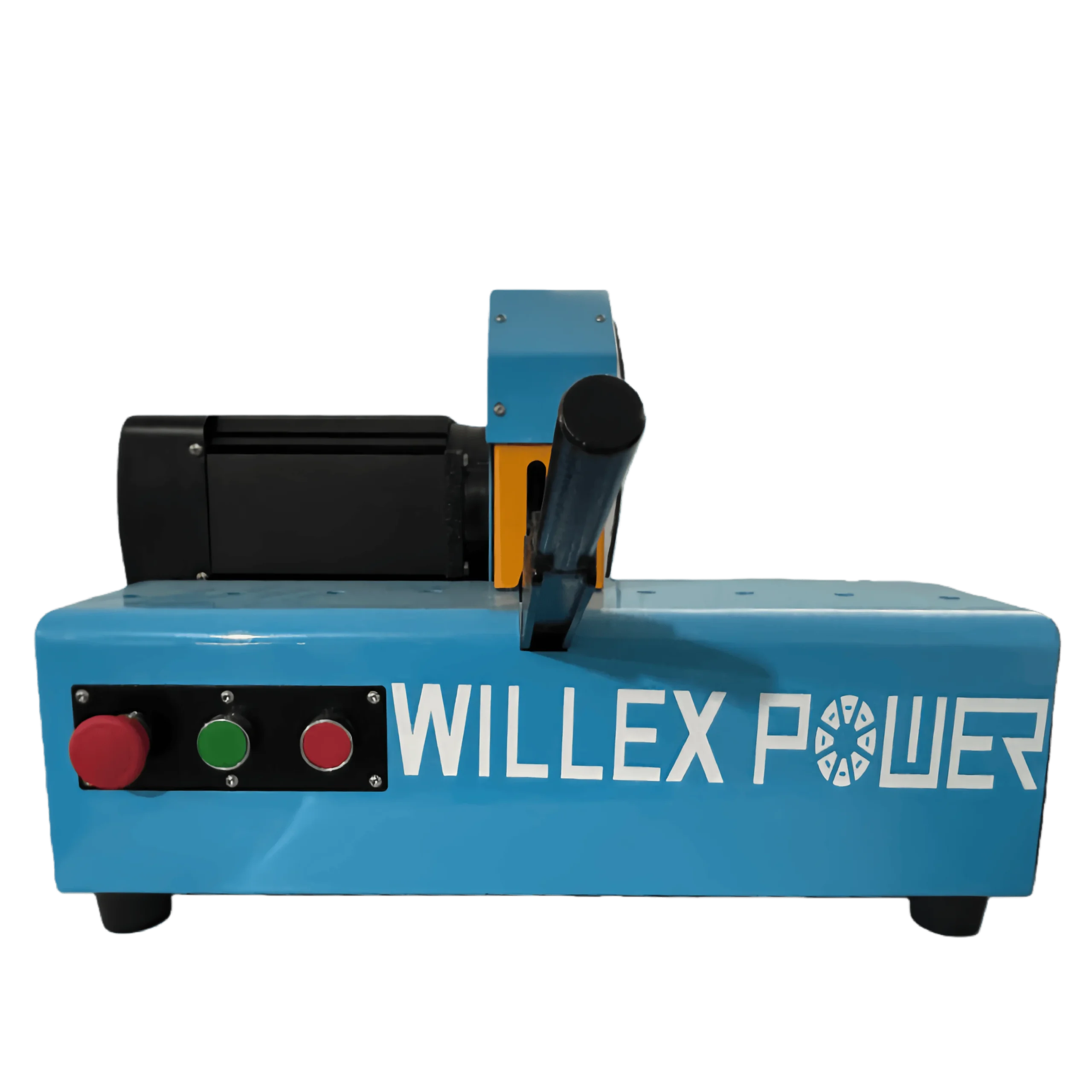
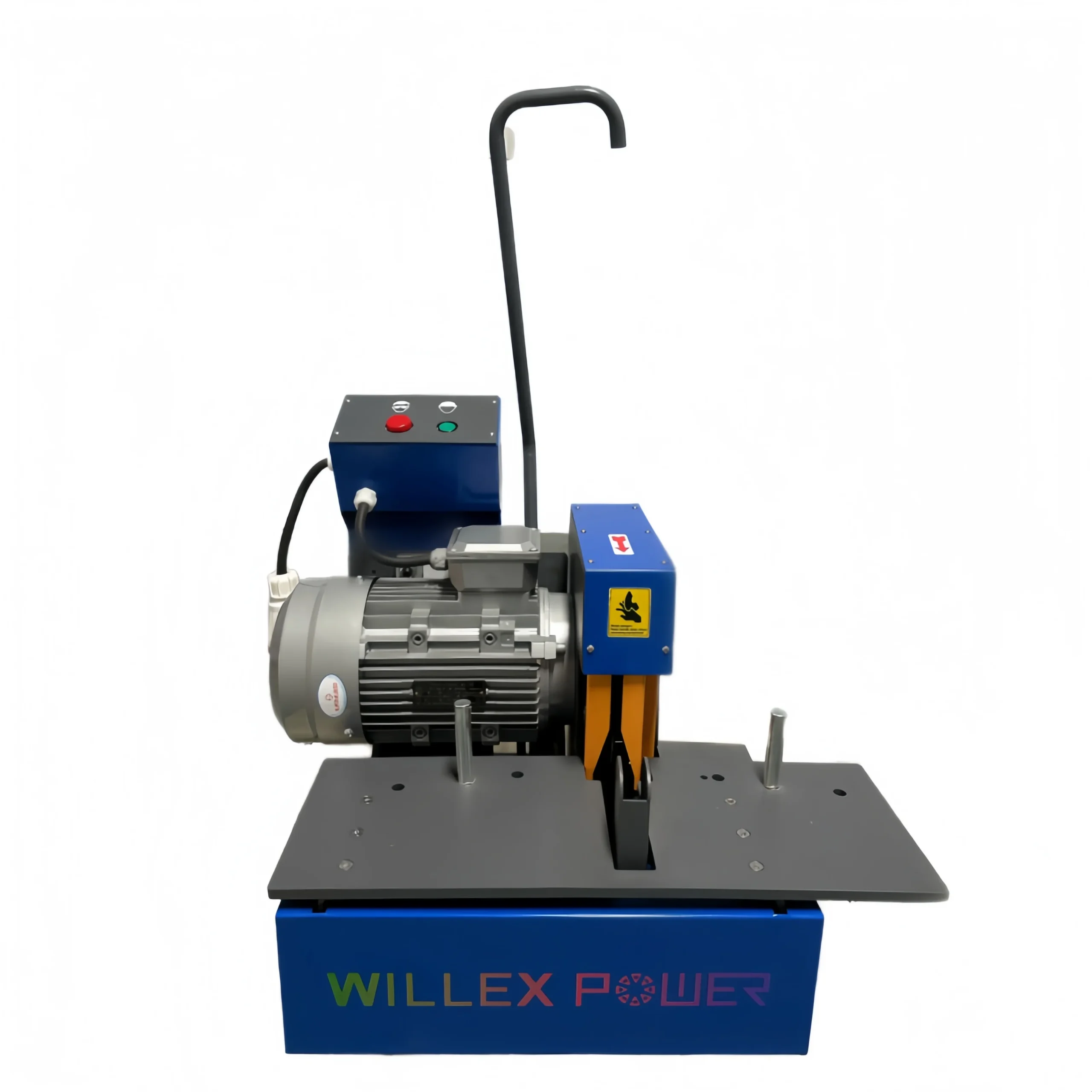
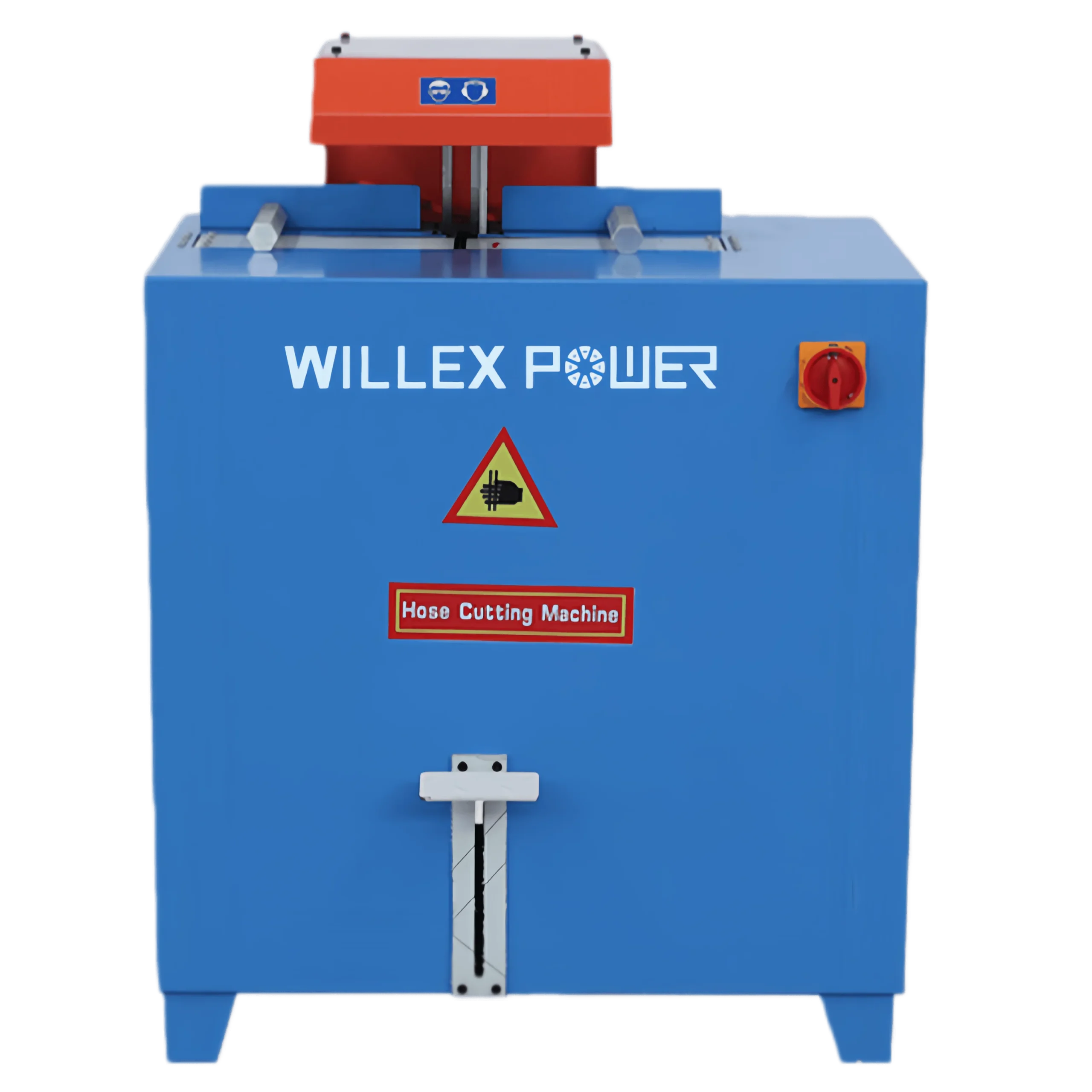
-20260121013914-scaled.webp "WILLEX POWER DZW-A10-1 Hose Crimping Machine")
-20260121014427-scaled.webp "Hose Crimping Machine DZW-A10")
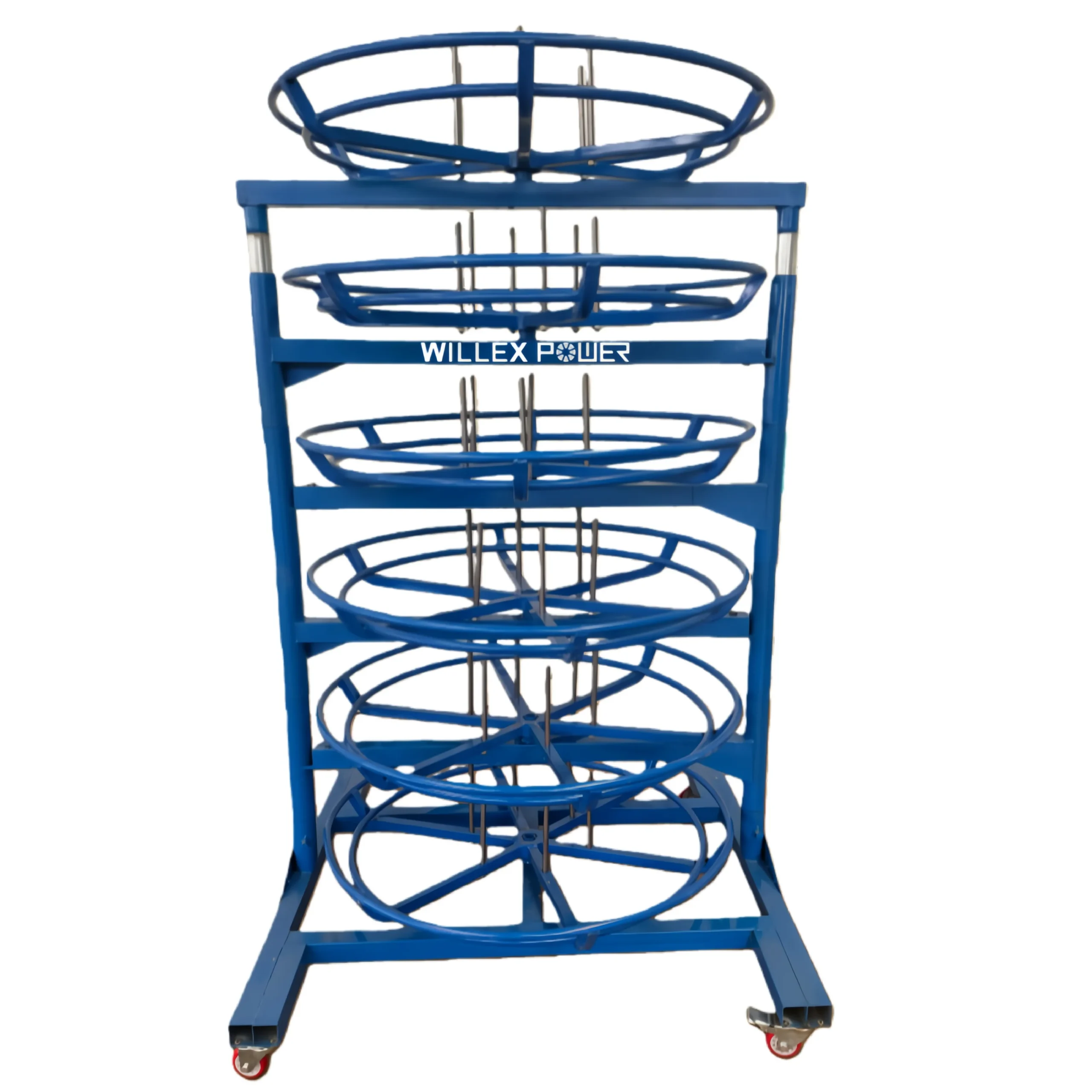
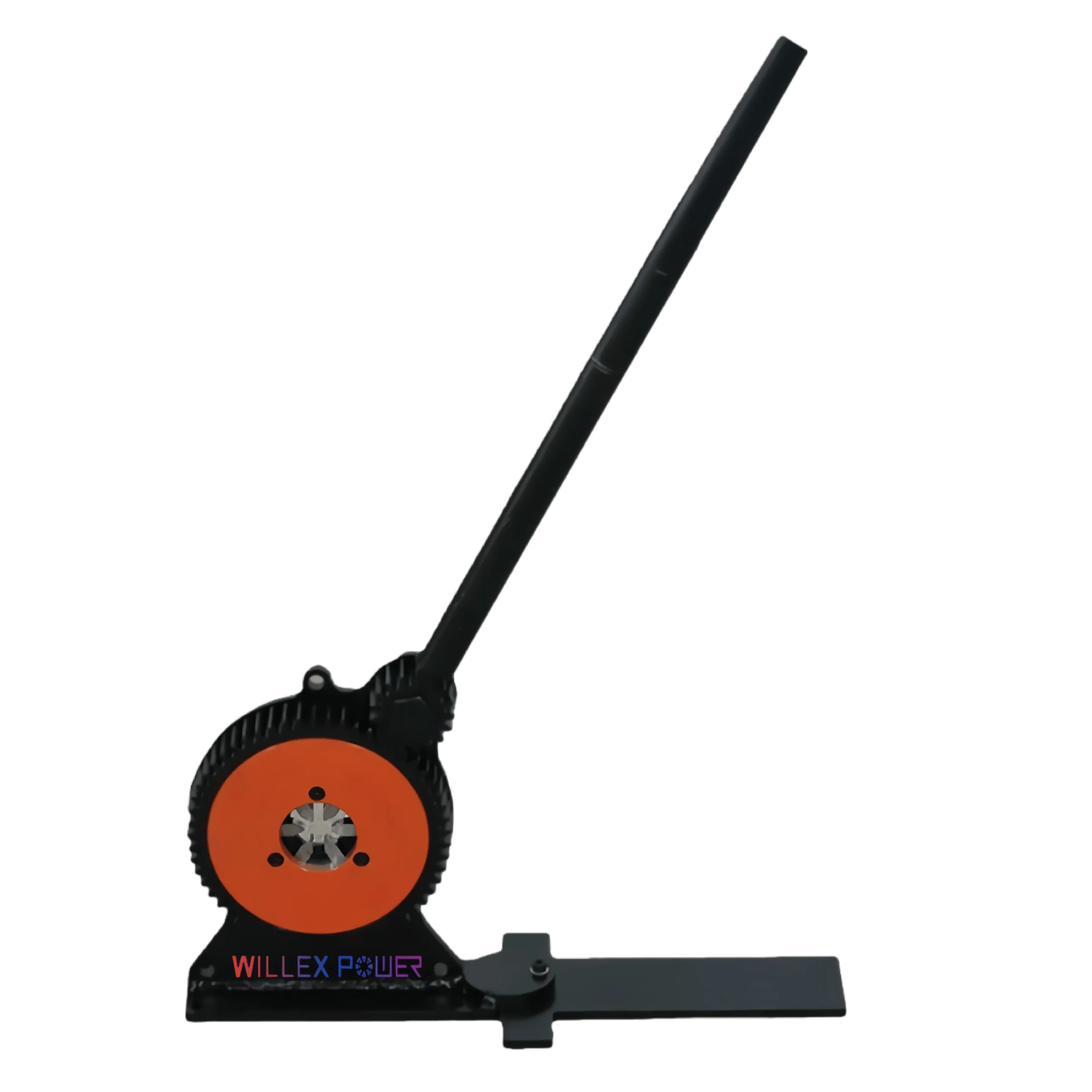
-20260121015636-scaled.webp "Hose Skiving Machine DZW-51BJ-M")
-20260121015753-scaled.webp "Hose Skiving Machine DZW-51BJ-C")
-20260121020311-scaled.webp "Hose Skiving Machine DZW-51BJ-E")