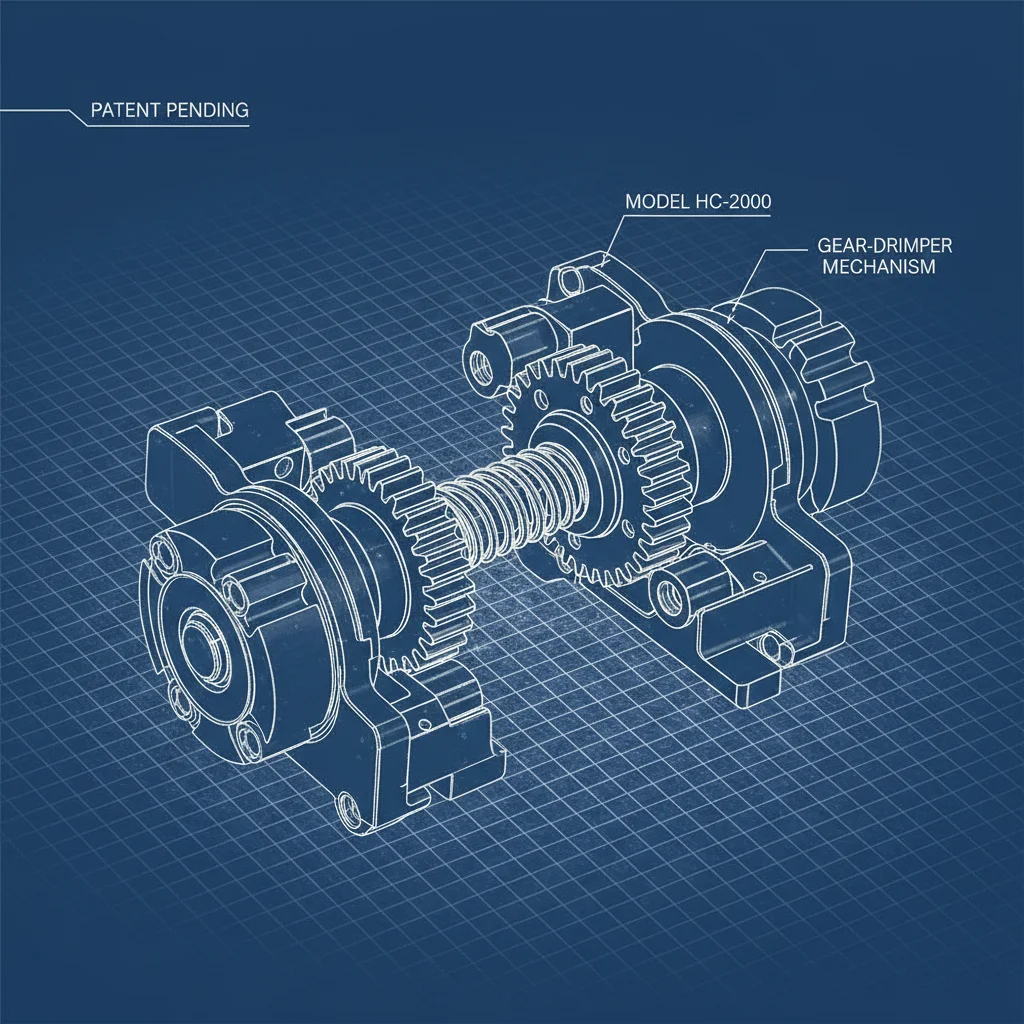
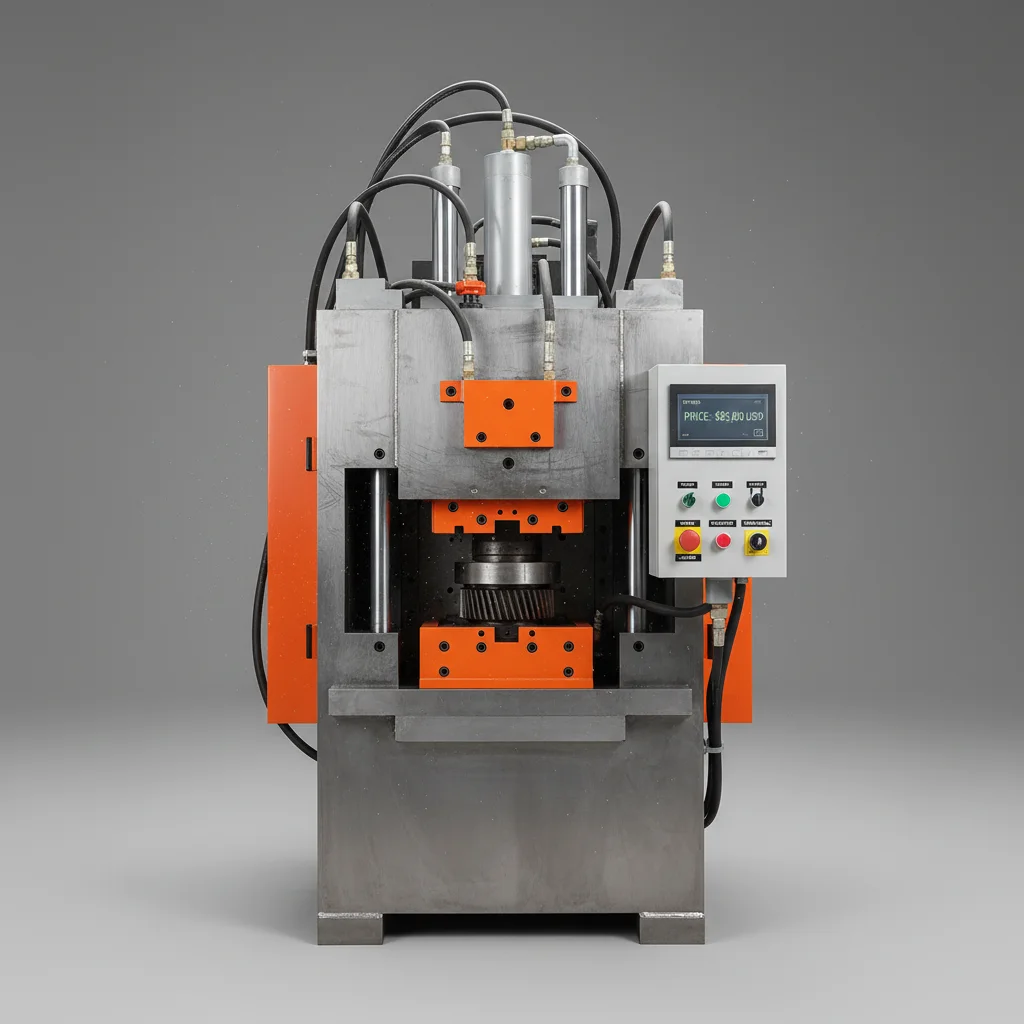
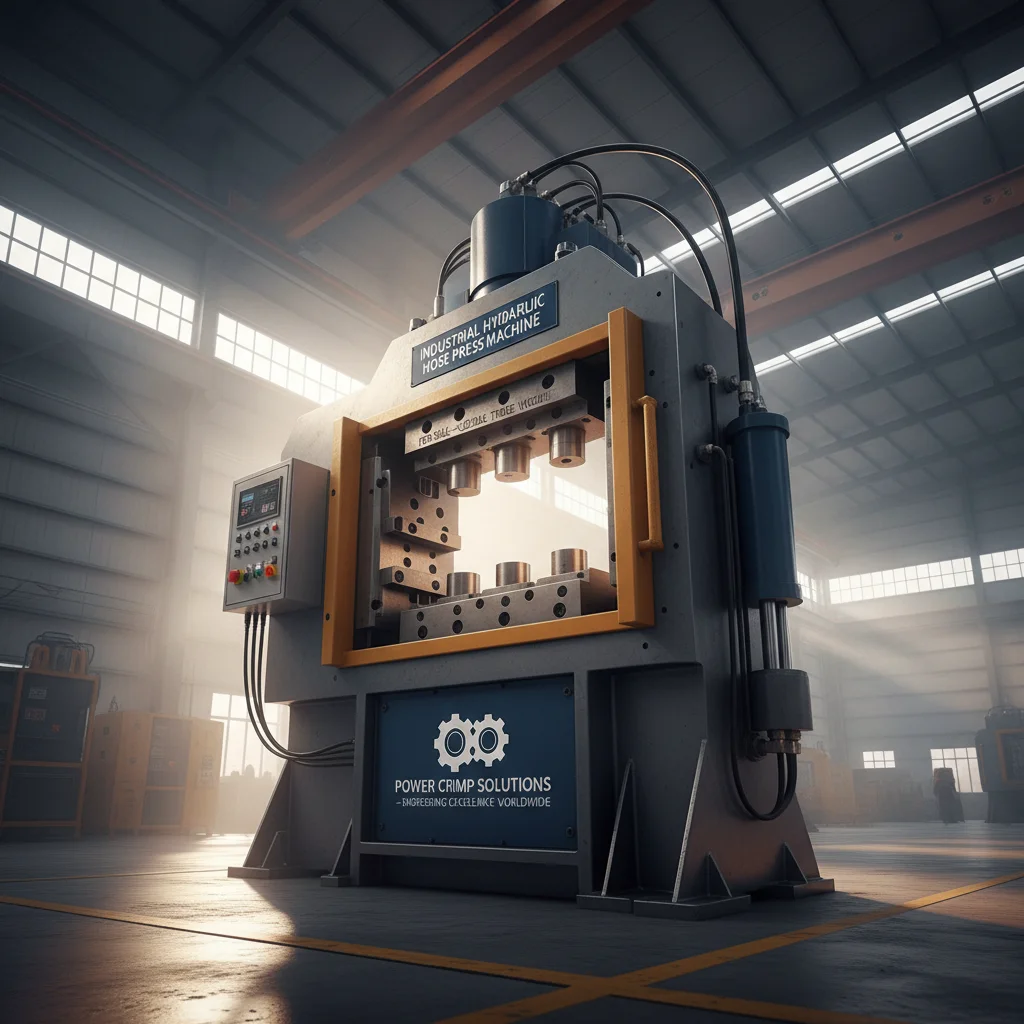
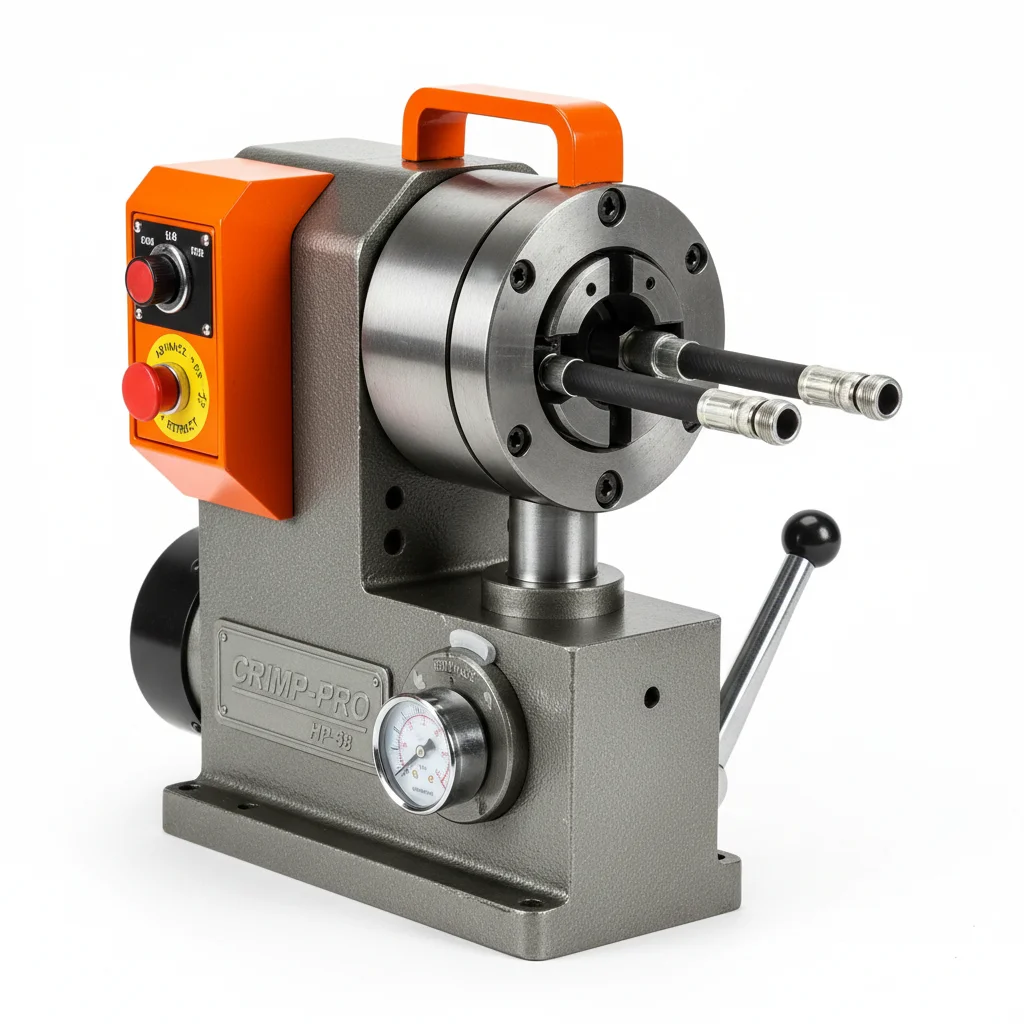
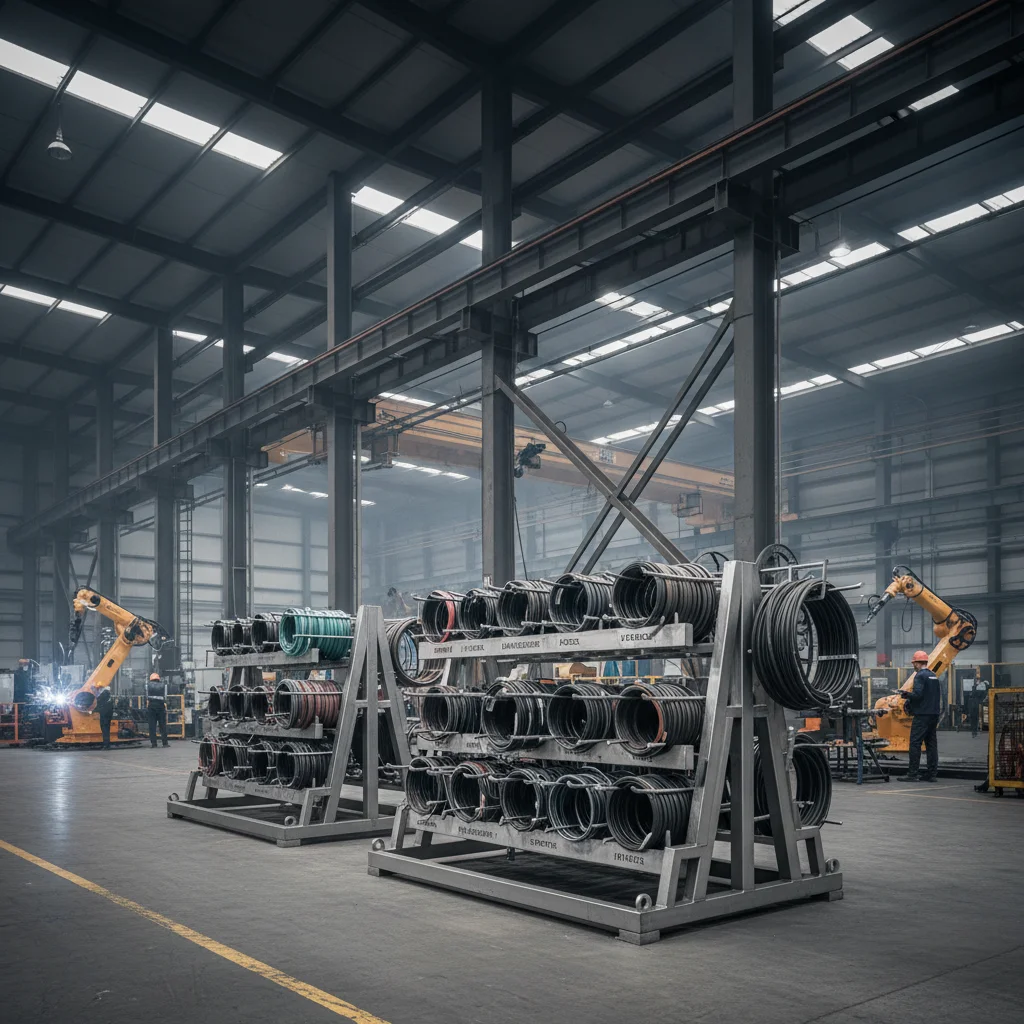
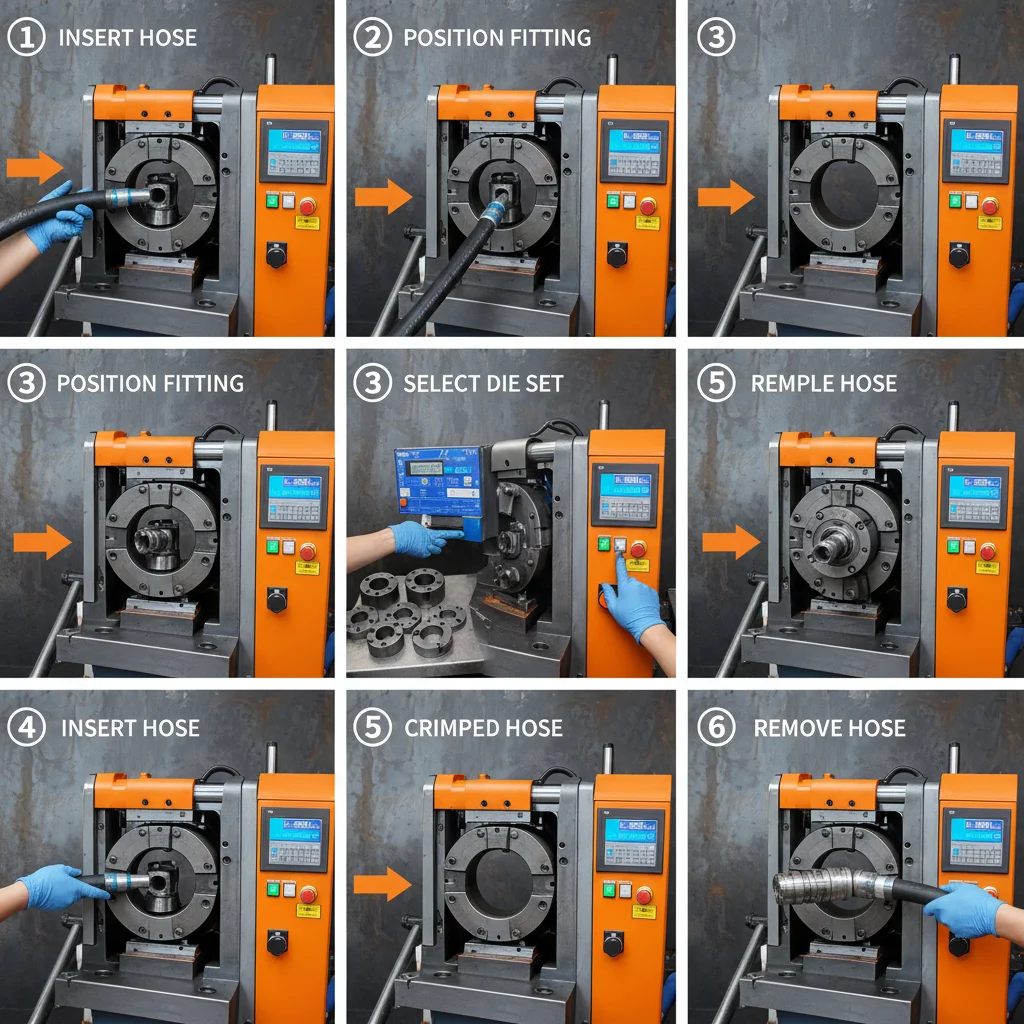
Hydraulic pipe banane ki machine, translating to “hydraulic pipe making machine,” are integral to modern infrastructure development and fluid power systems. These machines facilitate the efficient and precise manufacturing of pipes crucial for various sectors including oil and gas, construction, automotive, and aerospace. Their significance stems from their ability to produce high-quality, durable pipes capable of withstanding extreme pressures and temperatures, ensuring safety and reliability in critical applications. The global demand for these machines is continually increasing, driven by rapid industrialization, urbanization, and the expanding energy sector.
The evolution of hydraulic pipe banane ki machine mirrors the advancements in materials science and manufacturing technologies. Initially, pipe production relied on manual labor and rudimentary methods, resulting in inconsistencies and limited output. However, with the advent of hydraulic systems, automated machines emerged, offering greater precision, speed, and scalability. Today’s machines incorporate sophisticated controls, advanced sensors, and cutting-edge materials, enabling the creation of pipes with complex geometries and stringent quality standards. This has significantly reduced production costs and improved the overall efficiency of pipe manufacturing processes.
Understanding the intricacies of hydraulic pipe banane ki machine is paramount for engineers, technicians, and industry professionals seeking to optimize production processes, enhance product quality, and meet the evolving demands of a dynamic market. These machines aren't simply tools; they represent a fusion of engineering principles, hydraulic technology, and material science, collectively contributing to the robustness and reliability of countless critical infrastructures worldwide. Investing in knowledge about these machines translates to better decision-making and a competitive edge in the global manufacturing landscape.
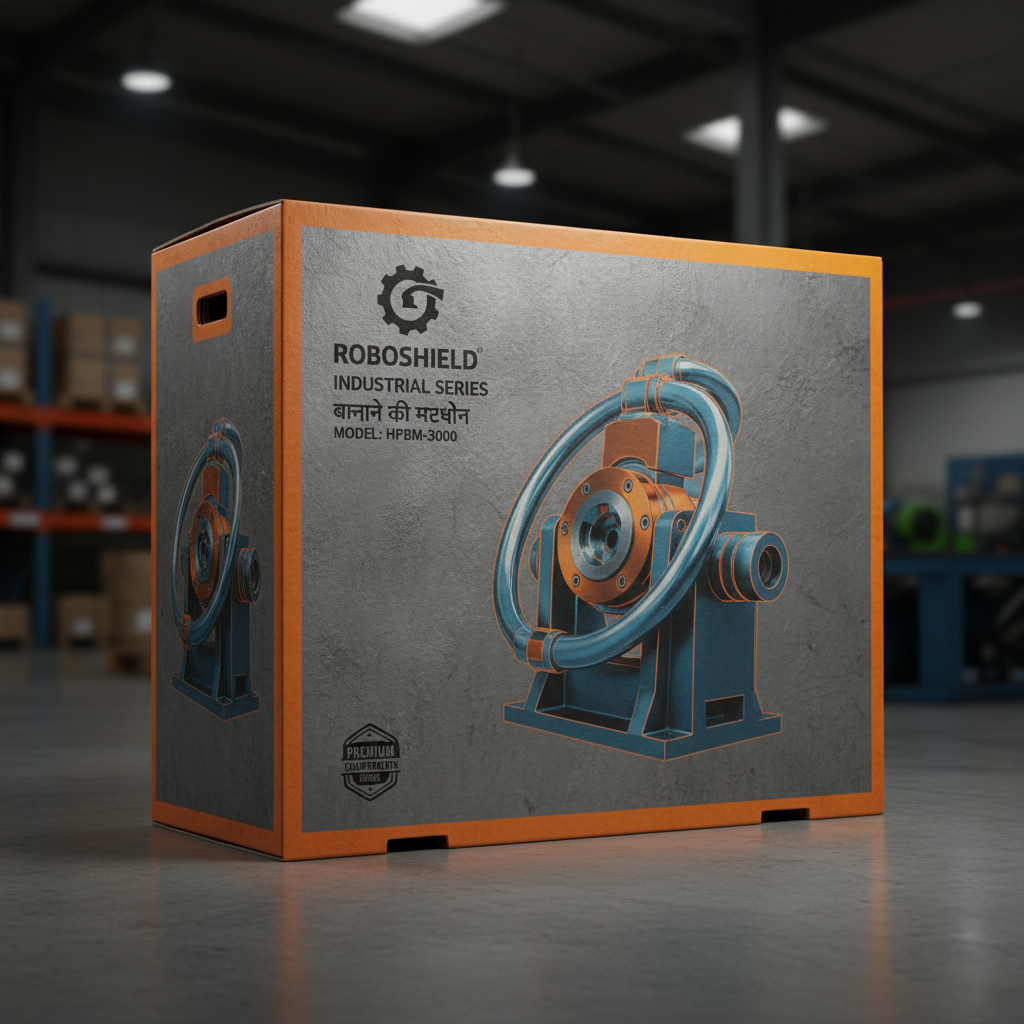
Introduction: Global or Industry Context
The global market for hydraulic pipe banane ki machine is substantial and growing. According to recent industry reports, the market size was valued at approximately $3.2 billion in 2023 and is projected to reach $4.5 billion by 2030, exhibiting a CAGR of 5.1% during the forecast period. This growth is largely attributable to increased investment in infrastructure projects in developing economies, particularly in Asia-Pacific and Latin America. Furthermore, the stringent safety regulations governing oil and gas pipelines, coupled with the demand for high-performance materials, are driving the adoption of advanced pipe manufacturing technologies.
The construction industry also represents a significant consumer of pipes manufactured by hydraulic pipe banane ki machine. Rapid urbanization and population growth are fueling demand for residential, commercial, and industrial buildings, all of which require extensive piping systems for water supply, drainage, and HVAC. The ISO standards for pipe quality and performance are continuously evolving to address emerging challenges such as corrosion, erosion, and seismic activity. Manufacturers are therefore compelled to invest in cutting-edge machinery capable of meeting these increasingly rigorous standards.
A significant challenge within the industry is the need to balance production efficiency with environmental sustainability. Traditional pipe manufacturing processes can be energy-intensive and generate substantial waste. Therefore, there's a growing emphasis on developing more eco-friendly machines and processes, including those that utilize recycled materials, reduce energy consumption, and minimize waste generation. The UN Sustainable Development Goals (SDGs), particularly Goal 9 (Industry, Innovation and Infrastructure) and Goal 12 (Responsible Consumption and Production), are influencing the direction of innovation in this sector.
Definition & Meaning
A hydraulic pipe banane ki machine is an automated system that uses hydraulic pressure to shape and form metal into cylindrical pipes. Unlike older methods such as roll forming or welding, hydraulic pipe making utilizes a mandrel and a die, applying immense pressure through a hydraulic cylinder to expand a solid billet or pre-formed tube into the desired pipe shape. This process results in seamless or welded pipes with superior dimensional accuracy, strength, and surface finish.
The connection to modern industry is profound. These machines are the backbone of industries requiring fluid transport systems, from oil and gas pipelines delivering energy to urban centers, to the complex hydraulic systems powering heavy machinery and aircraft. The ability to produce high-quality pipes reliably and efficiently is fundamental to the operation of these sectors. Furthermore, they play a vital role in sanitation systems, delivering clean water and removing waste, which directly contributes to public health.
In humanitarian contexts, efficient pipe manufacturing is critical for providing access to clean water and sanitation in disaster-stricken areas or developing countries. Deployable hydraulic pipe banane ki machine can be used to create localized production facilities, reducing reliance on imported materials and fostering self-sufficiency. This underscores the broader societal impact of the technology, extending beyond industrial applications to address fundamental human needs. hydraulic pipe banane ki machine is a good source for such machines.
Key Factors or Core Components
Durability: The lifespan of a hydraulic pipe banane ki machine is a crucial factor, impacting long-term ROI. Machines constructed with high-quality steel and robust hydraulic components are capable of withstanding continuous operation in demanding environments. Regular maintenance and adherence to manufacturer recommendations further extend the machine’s operational life.
Precision: The ability to produce pipes with tight tolerances and consistent dimensions is paramount. Advanced control systems, including programmable logic controllers (PLCs) and servo drives, ensure precise movements and accurate pressure control. This precision is essential for applications requiring leak-proof connections and consistent flow rates.
Production Capacity: The speed and efficiency of the machine directly influence production output. Machines with higher hydraulic pump capacities and faster cycle times can produce a greater volume of pipes in a given timeframe, maximizing profitability. Automating material handling and pipe removal processes further enhances throughput.
Versatility: The ability to process different materials (e.g., carbon steel, stainless steel, alloy steel) and produce pipes of varying diameters and wall thicknesses expands the machine’s applicability. Quick-change tooling systems and adjustable parameters enable seamless transitions between different production runs.
Global Applications & Use Cases
Hydraulic pipe banane ki machine are deployed across a vast spectrum of industries worldwide. In the oil and gas sector, they produce high-pressure pipelines for transporting crude oil and natural gas, ensuring the reliable delivery of energy resources. The Middle East and North Africa (MENA) region, with its significant oil reserves, represents a major market for these machines.
The construction industry relies heavily on pipes manufactured by these machines for water distribution, sewage systems, and fire suppression. Rapidly growing urban centers in Asia, such as China and India, are driving demand for durable and efficient piping infrastructure. In post-disaster relief operations, mobile hydraulic pipe banane ki machine can be rapidly deployed to produce pipes for emergency water supply and sanitation systems.
Automotive manufacturers utilize hydraulic pipe banane ki machine to produce precision tubes for fuel lines, brake lines, and exhaust systems. The automotive industry in Germany and Japan is renowned for its high quality standards and stringent manufacturing processes, demanding the use of sophisticated pipe making equipment. Furthermore, aerospace companies leverage these machines to create lightweight and strong tubes for hydraulic systems and structural components.
Different hydraulic pipe banane ki machine methods ratings
Advantages & Long-Term Value
The advantages of investing in a high-quality hydraulic pipe banane ki machine are numerous and translate to significant long-term value. Cost savings are realized through reduced material waste, increased production efficiency, and lower labor costs. The precision of the process minimizes defects and rework, further contributing to cost reduction.
Sustainability is another key benefit. Modern machines are designed to minimize energy consumption and can be integrated with recycling systems to reduce environmental impact. The use of durable materials and robust construction ensures a long service life, reducing the need for frequent replacements. This contributes to a more circular economy and reduces overall waste generation. A key aspect is the reliability offered by consistent quality output, leading to increased customer trust and brand reputation.
Future Trends & Innovations
The future of hydraulic pipe banane ki machine is poised for significant innovation, driven by advancements in automation, digitalization, and sustainable manufacturing. The integration of Artificial Intelligence (AI) and Machine Learning (ML) will enable predictive maintenance, optimizing machine performance and minimizing downtime. Digital twins – virtual representations of the physical machine – will facilitate remote monitoring, diagnostics, and process optimization.
Furthermore, the development of new materials with enhanced properties, such as high-strength alloys and corrosion-resistant coatings, will expand the range of applications for hydraulic pipes. Green energy technologies, such as the use of renewable energy sources to power the machines, will reduce the carbon footprint of pipe manufacturing. The trend towards Industry 4.0 and smart manufacturing will continue to reshape the landscape of this industry, fostering greater efficiency, flexibility, and responsiveness to market demands.
Challenges & Solutions
Despite the advancements, challenges remain within the hydraulic pipe banane ki machine industry. One common limitation is the high initial investment cost, which can be prohibitive for small and medium-sized enterprises (SMEs). Solutions include exploring financing options, such as leasing or government subsidies, and investing in modular machines that offer scalability and reduced upfront costs.
Another challenge is the skilled labor shortage. Operating and maintaining these complex machines requires specialized training and expertise. Addressing this requires investing in vocational training programs and collaborating with educational institutions to develop curriculum aligned with industry needs. Automation and remote diagnostics can also reduce the reliance on highly skilled technicians.
Finally, ensuring consistent material quality and managing supply chain disruptions are ongoing concerns. Implementing robust quality control procedures, diversifying sourcing strategies, and utilizing advanced inventory management systems can mitigate these risks. hydraulic pipe banane ki machine has potential solutions here.
Summary of Challenges and Solutions in Hydraulic Pipe Manufacturing
| Challenge |
Impact on Production |
Potential Solutions |
Implementation Cost (1-10) |
| High Initial Investment |
Limits accessibility for SMEs |
Leasing, government subsidies, modular machines |
6 |
| Skilled Labor Shortage |
Increases maintenance costs and downtime |
Vocational training, automation, remote diagnostics |
7 |
| Material Quality Control |
Compromises pipe integrity and durability |
Robust inspection procedures, supplier audits |
5 |
| Supply Chain Disruptions |
Delays production and increases costs |
Diversified sourcing, inventory management |
6 |
| Energy Consumption |
Increases operating costs and environmental impact |
Energy-efficient machine design, renewable energy sources |
4 |
| Waste Management |
Contributes to environmental pollution |
Recycling systems, material optimization |
5 |
FAQS
The lifespan of a well-maintained hydraulic pipe banane ki machine typically ranges from 10 to 20 years, depending on the frequency of use, quality of maintenance, and the materials used in its construction. Regular servicing, including hydraulic fluid changes, lubrication, and inspection of critical components, is crucial for maximizing its lifespan. Choosing a machine from a reputable manufacturer with readily available spare parts also contributes to long-term reliability.
Hydraulic pipe banane ki machine are versatile and can process a wide range of materials, including carbon steel, stainless steel, alloy steel, aluminum, and even some types of plastics. The specific material capabilities depend on the machine’s design, hydraulic pressure capacity, and tooling configuration. Different materials require different tooling and process parameters to achieve optimal results.
Automation significantly enhances the efficiency of hydraulic pipe production by reducing manual labor, minimizing errors, and increasing throughput. Automated material handling systems, precise pressure control, and robotic welding capabilities streamline the entire process, resulting in higher quality pipes and reduced production costs. Integration with computerized control systems enables real-time monitoring and optimization of production parameters.
Operating a hydraulic pipe banane ki machine requires strict adherence to safety protocols. Personnel should wear appropriate personal protective equipment (PPE), including safety glasses, gloves, and hearing protection. Regular inspection of hydraulic lines for leaks and proper functioning of safety guards is essential. Emergency stop buttons should be readily accessible and tested frequently. Comprehensive training on machine operation and safety procedures is mandatory for all operators.
Power consumption varies significantly depending on the machine’s size, capacity, and operating cycle. Smaller machines may consume around 15-20 kW, while larger, high-capacity machines can consume upwards of 50-80 kW. Implementing energy-efficient hydraulic pumps, optimizing process parameters, and utilizing variable frequency drives (VFDs) can help minimize power consumption and reduce operating costs. Exploring machines with energy recovery systems also represents an eco-friendly approach.
Regular maintenance is paramount. Key procedures include daily inspection for leaks, monthly hydraulic fluid analysis and replacement if necessary, annual inspection of hydraulic cylinders and pumps, and preventative maintenance on electrical components. Lubrication of moving parts and calibration of sensors are also crucial. Maintaining a detailed maintenance log is essential for tracking repairs and scheduling preventative maintenance tasks.
Conclusion
In conclusion, hydraulic pipe banane ki machine represent a cornerstone of modern infrastructure, enabling the efficient and reliable production of pipes critical across a multitude of industries. Their continued evolution, driven by advancements in automation, materials science, and sustainability, promises even greater performance, reduced costs, and a smaller environmental footprint. Understanding the core components, applications, and emerging trends within this field is essential for professionals seeking to thrive in a dynamic global market.
Looking ahead, investing in innovative technologies and fostering collaboration between manufacturers, researchers, and end-users will be crucial for unlocking the full potential of hydraulic pipe banane ki machine. The focus should remain on developing machines that are not only efficient and cost-effective but also environmentally responsible and adaptable to the evolving needs of a sustainable future. Visit our website at www.willexcrimper.com to learn more about our cutting-edge solutions.