The realm of fluid transfer is fundamentally reliant on secure and reliable connections. This is where the pipe hose crimping machine emerges as a critical piece of technology. These machines are not simply tools, but essential components in industries ranging from automotive and construction to agriculture and even aerospace. Understanding their operation, applications, and future trends is paramount for professionals seeking efficiency, safety, and longevity in their systems.
Globally, the demand for robust and leak-proof fluid connections is steadily increasing, driven by infrastructure development, stricter safety regulations, and the rise of complex hydraulic systems. The United Nations estimates that over 2 billion people lack access to safely managed drinking water, highlighting the need for reliable piping and hose infrastructure. Moreover, the International Organization for Standardization (ISO) continually updates standards for hose assemblies, demanding precision and consistent crimping quality – something a quality pipe hose crimping machine delivers.
A significant challenge within these sectors is the maintenance of fluid integrity and the prevention of costly leaks and failures. Traditional methods can be inconsistent and labor-intensive. This is where investing in a dedicated and properly calibrated pipe hose crimping machine offers a superior solution, reducing downtime, enhancing safety, and minimizing environmental impact.
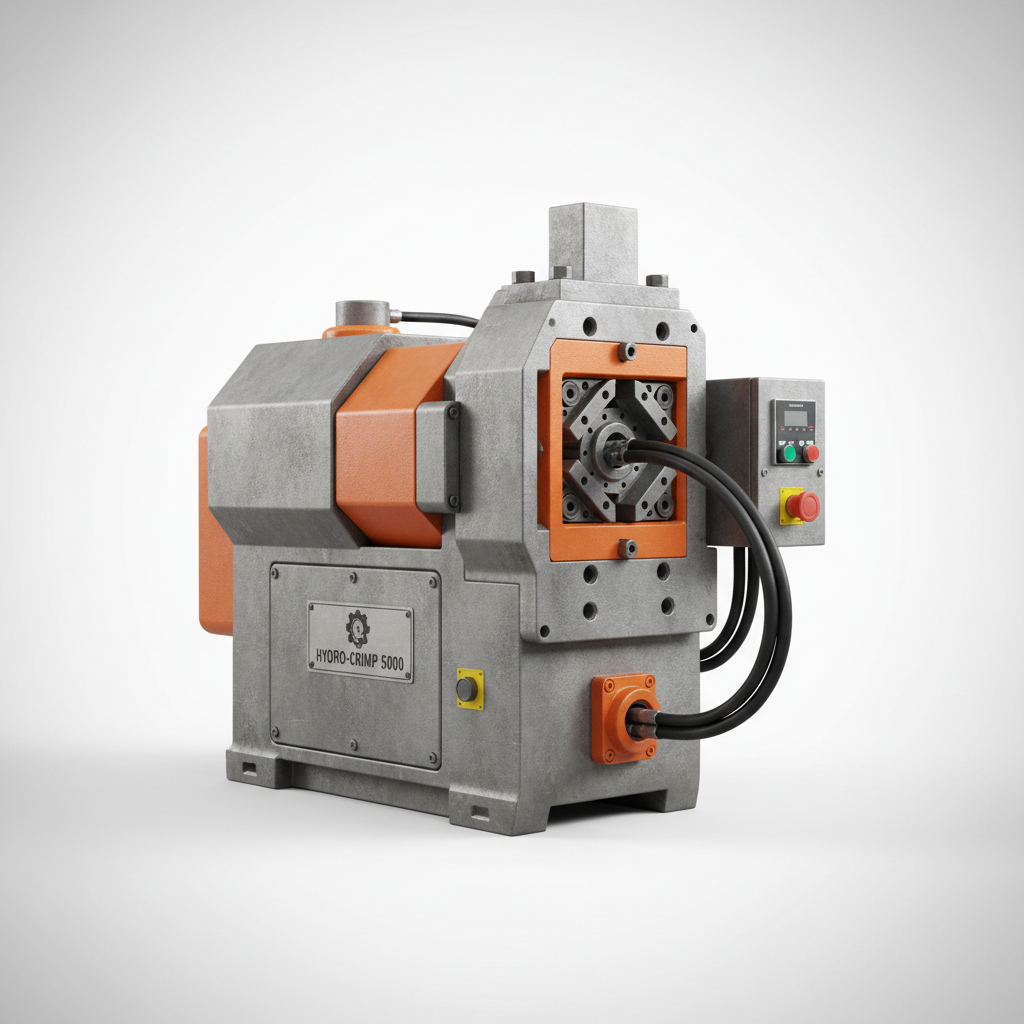
The Core Principles of pipe hose crimping machine
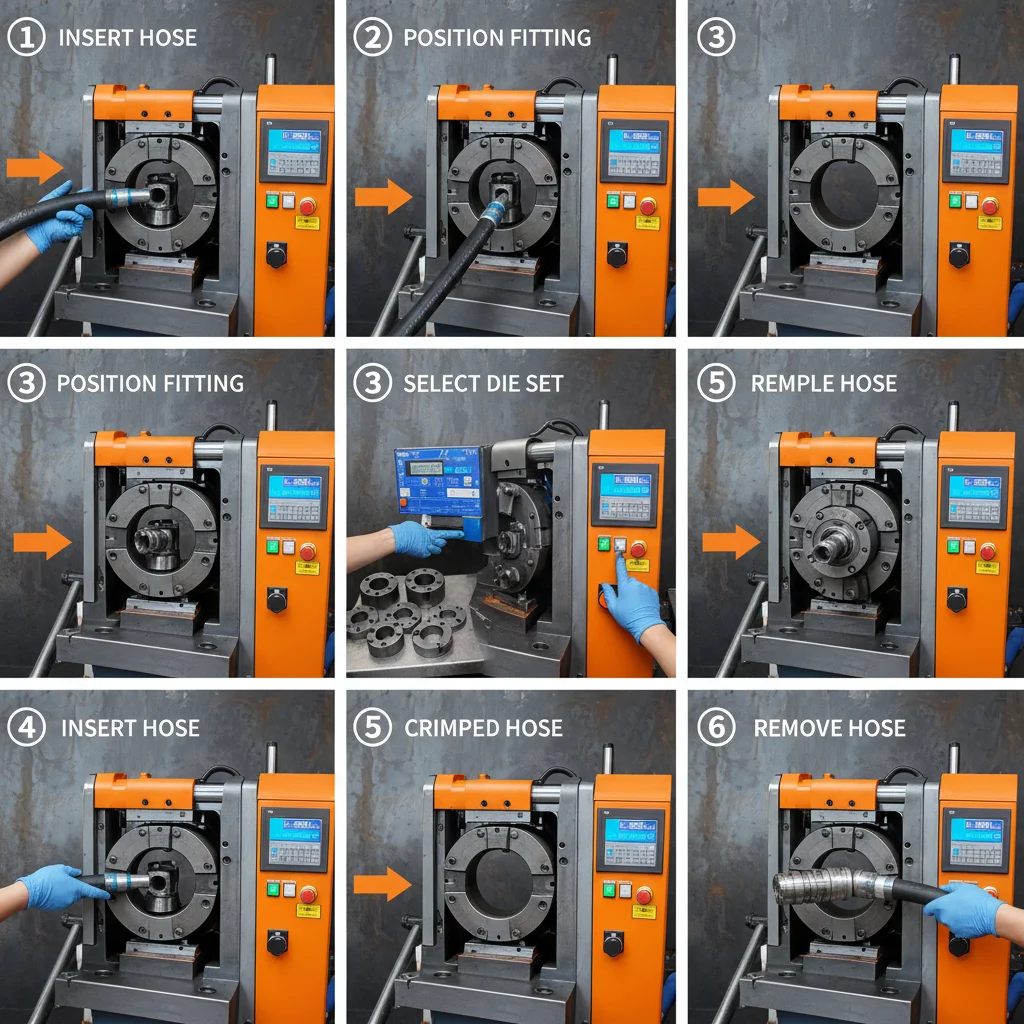
At its heart, a pipe hose crimping machine operates on the principle of applying precise and controlled compressive force to create a permanent seal between a hose and its fitting. This process, known as crimping, ensures that the hose remains securely attached to the fitting, even under high pressure and challenging environmental conditions. The quality of the crimp is directly proportional to the reliability of the entire fluid conveyance system.
Understanding the nuances of crimping—including die selection, pressure calibration, and hose material compatibility—is essential for achieving optimal performance. Different hose types (hydraulic, industrial, automotive) require varying crimp specifications, and a versatile pipe hose crimping machine should be capable of accommodating these diverse requirements.
Understanding the Global Relevance of pipe hose crimping machine
The demand for reliable fluid conveyance systems is ubiquitous, making pipe hose crimping machines globally relevant. In developed nations, they are integral to industries like automotive manufacturing, aerospace engineering, and oil & gas exploration. These sectors demand consistently high-quality hose assemblies for critical applications, driving the need for advanced crimping technology.
However, the importance extends far beyond these established economies. In developing countries, dependable water and sanitation infrastructure, often reliant on robust hose connections, is vital for public health. Agricultural advancements, dependent on irrigation systems utilizing flexible hoses, also drive demand. Furthermore, emergency services worldwide require readily available and reliable hose assemblies for firefighting and disaster relief.
The global market for hydraulic hoses and fittings is projected to reach $10.8 billion by 2028, according to a report by Grand View Research. This growth is fueled by increasing construction activity, rising automotive production, and the expansion of industrial sectors – all of which necessitate efficient and dependable pipe hose crimping machines.
Defining a pipe hose crimping machine: Function and Purpose
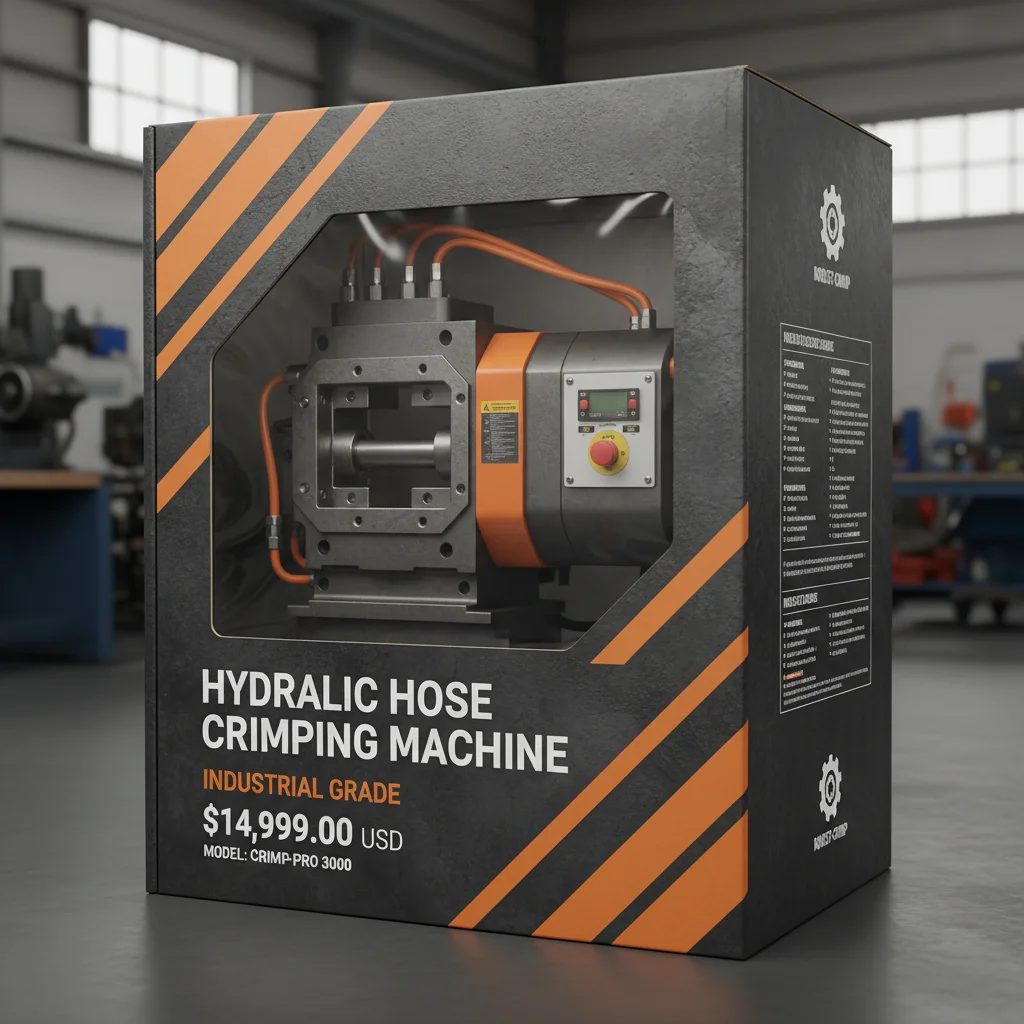
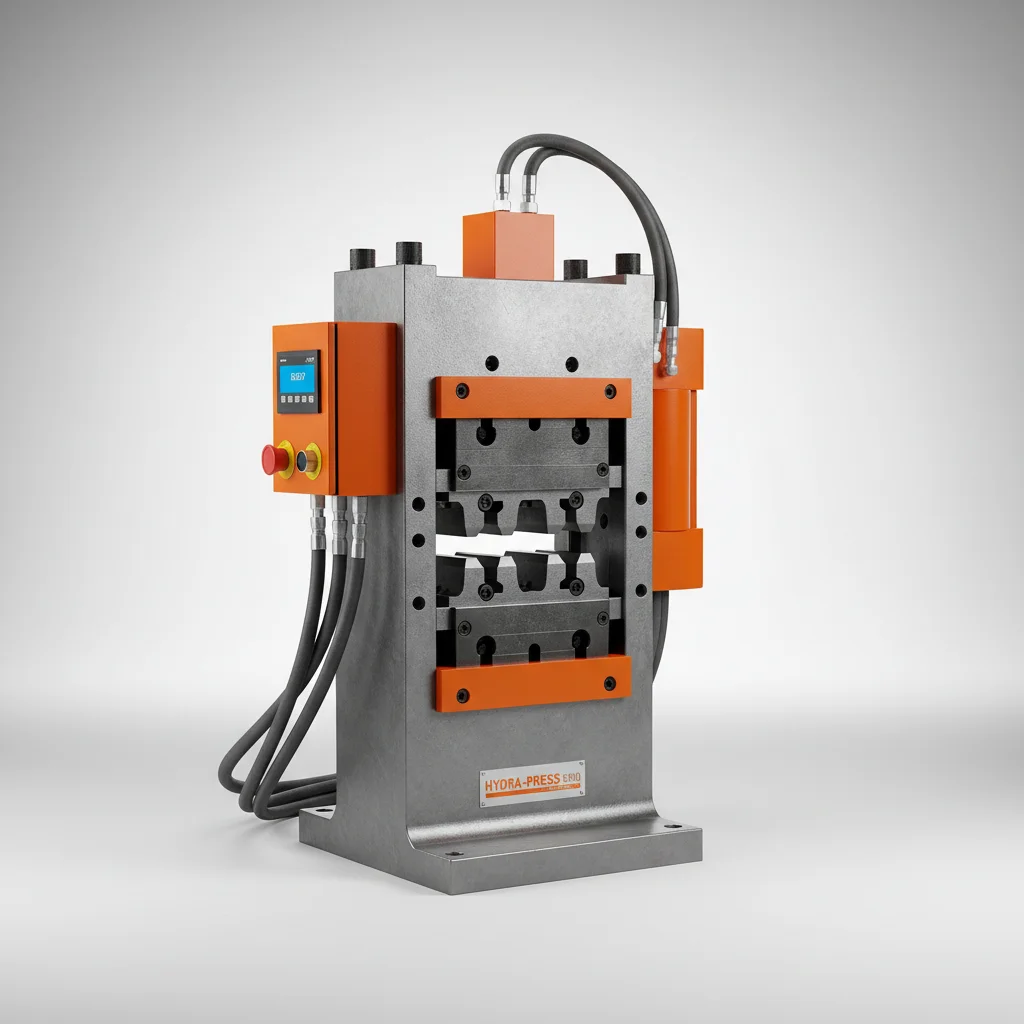
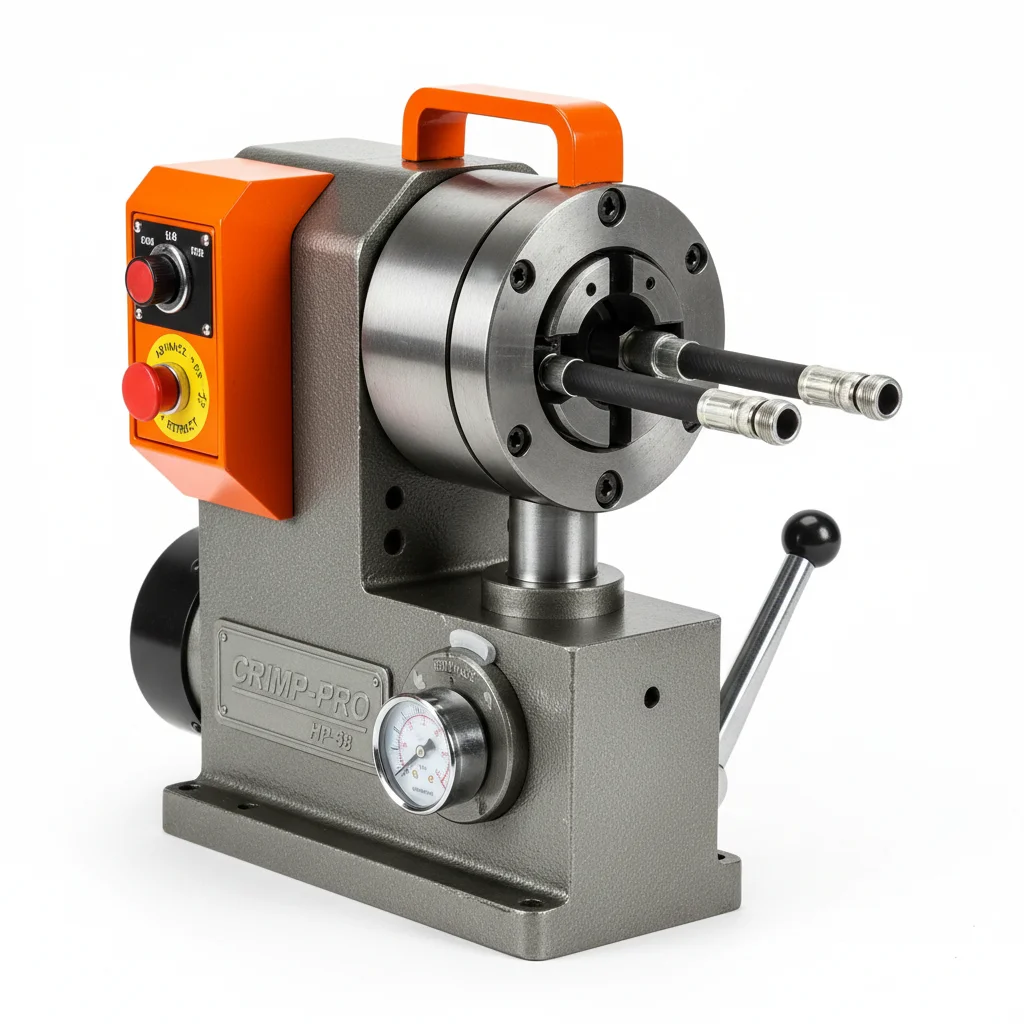
A pipe hose crimping machine is a specialized tool designed to securely attach a fitting to the end of a hose by compressing the hose material around the fitting’s barb or stem. This creates a leak-proof seal capable of withstanding high pressures and vibrations. The machine uses a die set that conforms to the shape of the fitting, ensuring a consistent and accurate crimp.
The purpose of a pipe hose crimping machine extends beyond simply attaching a fitting. It ensures the safety and reliability of fluid conveyance systems. A properly crimped hose assembly prevents dangerous leaks, reduces the risk of equipment failure, and minimizes downtime. This is particularly critical in applications where fluid loss could have severe consequences, such as hydraulic systems in heavy machinery or fuel lines in vehicles.
These machines have evolved from manual, mechanically operated devices to sophisticated, computer-controlled systems capable of precise crimp programming and data logging. Modern pipe hose crimping machines offer features such as automatic die selection, adjustable pressure settings, and built-in quality control mechanisms, contributing to greater efficiency and consistency.
Key Factors Influencing pipe hose crimping machine Performance
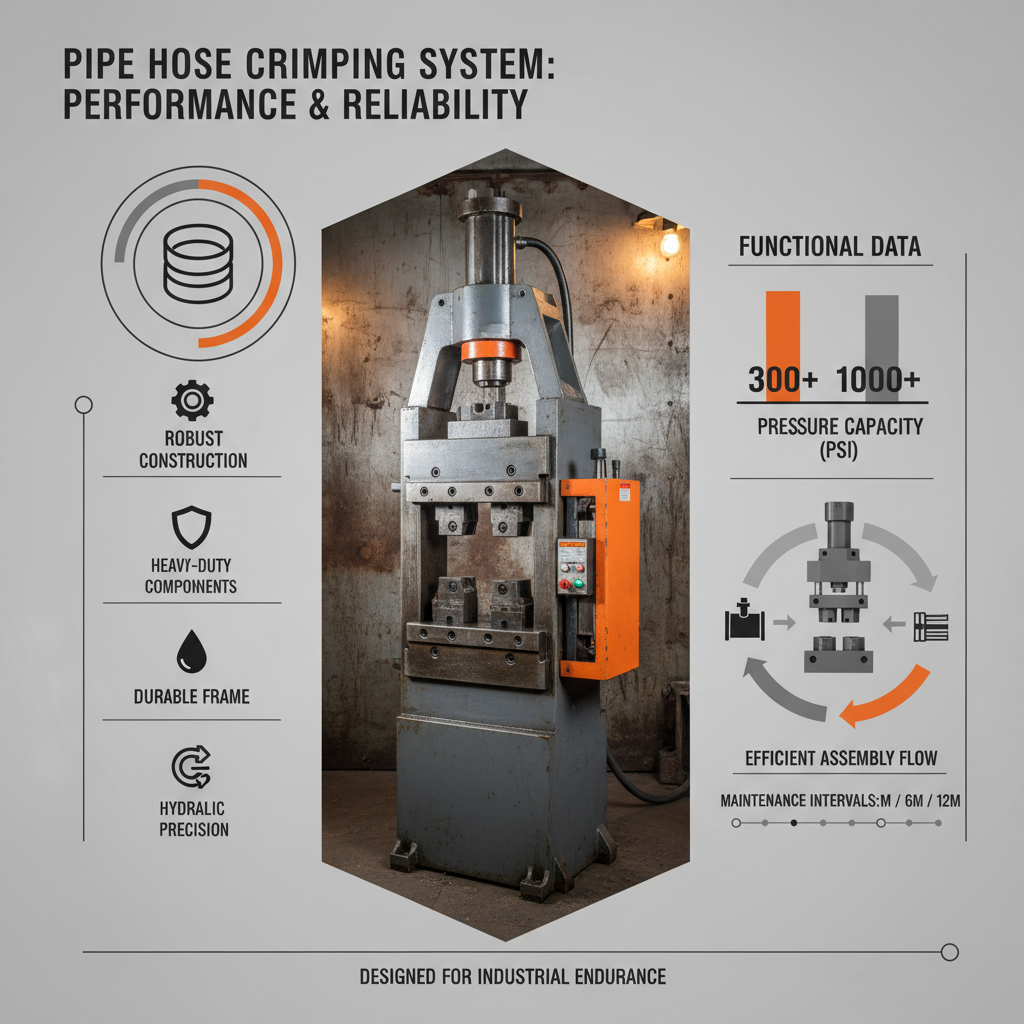
Several key factors significantly influence the performance and reliability of a pipe hose crimping machine. These include the machine's capacity (maximum hose size and pressure rating), the precision of its crimping process, and the quality of its die sets.
Durability is also paramount. Industrial environments can be harsh, and the machine must be robust enough to withstand continuous use and potential impacts. Furthermore, ease of use and maintenance are crucial for maximizing productivity and minimizing downtime.
Crimp Quality Assessment Based on Key Parameters
Diverse Applications of pipe hose crimping machine Worldwide
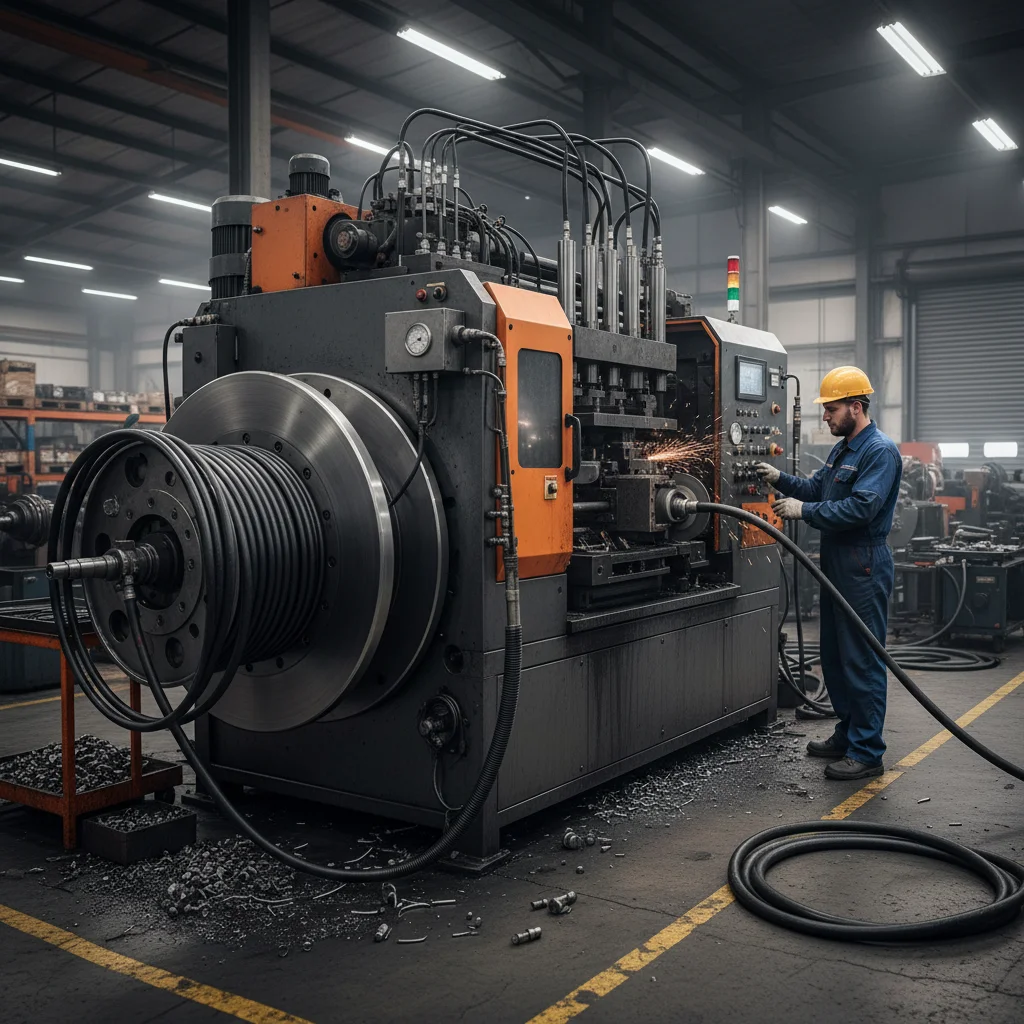
Pipe hose crimping machines find widespread application across a multitude of industries. In the automotive sector, they are essential for manufacturing brake hoses, fuel lines, and radiator hoses. Construction companies utilize them for creating hydraulic hose assemblies for heavy machinery, such as excavators and cranes.
Agricultural applications include the production of irrigation hoses and sprayers. In the aerospace industry, precision crimping is critical for assembling hydraulic lines and fuel systems. Furthermore, pipe hose crimping machines are used in marine applications, oil & gas facilities, and even in the manufacturing of specialized equipment for the medical and pharmaceutical industries. In post-disaster relief operations, portable crimping machines are invaluable for repairing damaged water lines and establishing emergency fluid delivery systems.
Long-Term Advantages and Value Proposition of pipe hose crimping machine
Investing in a high-quality pipe hose crimping machine offers numerous long-term advantages. These include reduced downtime due to fewer hose failures, decreased maintenance costs, and enhanced safety for personnel. A properly crimped hose assembly eliminates the risk of leaks, preventing potential hazards and environmental damage.
The increased efficiency and consistency provided by automated crimping machines translate to significant cost savings over time. Furthermore, the ability to produce high-quality hose assemblies in-house reduces reliance on external suppliers, improving control over the supply chain. Ultimately, a pipe hose crimping machine represents a strategic investment in reliability, safety, and long-term profitability.
Future Trends and Innovations in pipe hose crimping machine Technology
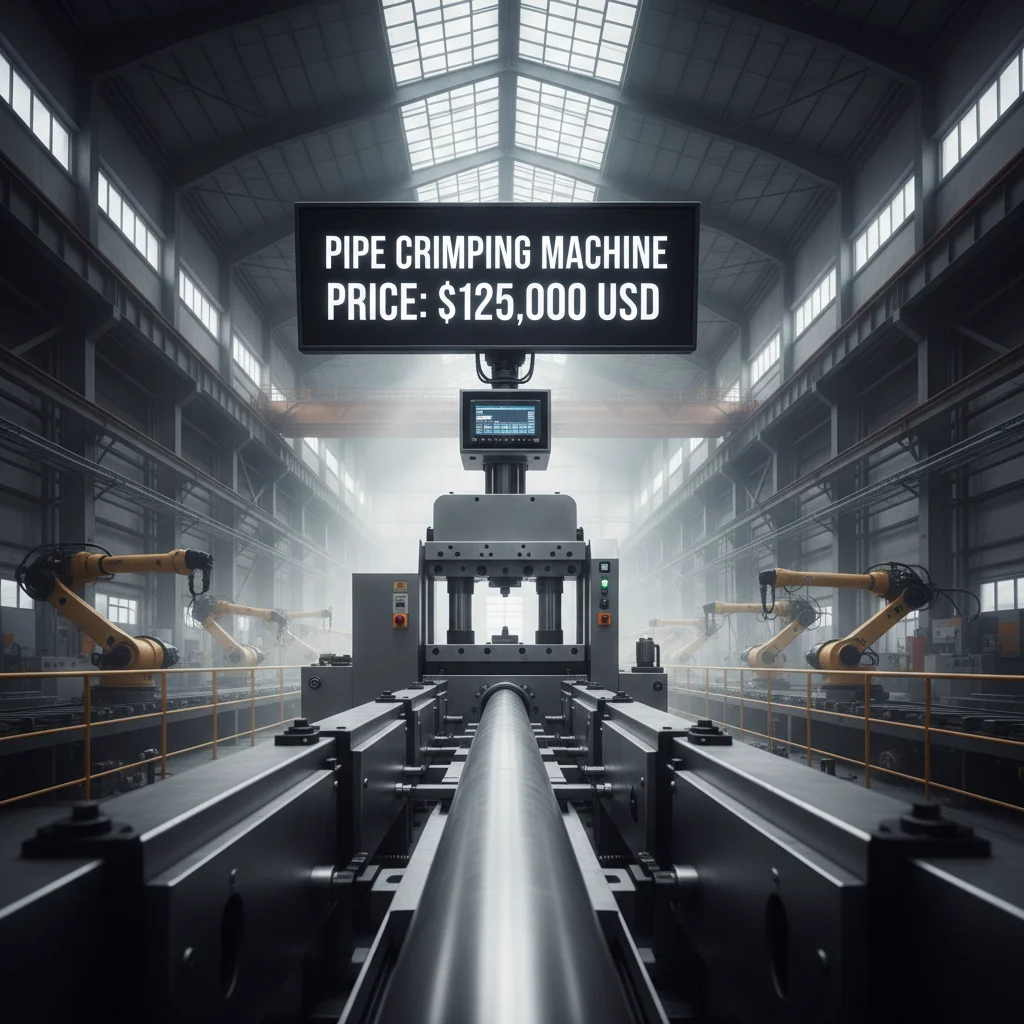
The future of pipe hose crimping machine technology is focused on increased automation, improved precision, and enhanced data management. We are seeing the emergence of machines equipped with advanced sensors and computer vision systems that can automatically detect and correct crimping errors.
Integration with Industry 4.0 principles, including remote monitoring and predictive maintenance, is also gaining traction. This allows for proactive identification of potential issues, minimizing downtime and maximizing equipment lifespan. Furthermore, the development of new materials and crimping techniques is enabling the creation of even more robust and reliable hose assemblies.
Sustainability is another key trend. Manufacturers are focusing on developing energy-efficient machines and utilizing environmentally friendly materials in their production processes. The incorporation of digital twins for virtual training and process optimization is also expected to become more prevalent.
Summary of Challenges and Potential Solutions for pipe hose crimping machine
| Challenge |
Impact on Operation |
Potential Solution |
Implementation Cost (1-10) |
| Die Set Compatibility |
Limited hose and fitting options |
Invest in a comprehensive die set library or quick-change die systems |
7 |
| Calibration Drift |
Inconsistent crimp quality |
Implement a regular calibration schedule and utilize automated calibration tools |
5 |
| Operator Skill Gap |
Increased risk of errors and downtime |
Provide comprehensive training and certification programs for operators |
6 |
| Machine Maintenance |
Unexpected breakdowns and reduced productivity |
Implement a preventative maintenance plan and utilize remote monitoring systems |
4 |
| Data Integration |
Lack of visibility into crimping process performance |
Integrate the machine with data analytics platforms for real-time monitoring and reporting |
8 |
| Material Handling |
Inefficiency and potential for damage |
Automate material feeding and removal processes |
9 |
FAQS
Manual machines rely entirely on operator strength and skill, offering low cost but limited precision and consistency. Semi-automatic machines assist with some aspects of the crimping process, like die opening/closing, reducing operator fatigue and improving accuracy. Fully automatic pipe hose crimping machines handle the entire process with minimal operator intervention, maximizing efficiency, consistency, and data logging. Choosing the right type depends on production volume, budget, and required quality levels.
Regular calibration is crucial for maintaining crimp quality. We recommend calibrating a pipe hose crimping machine at least every six months, or more frequently if it’s used heavily or in a demanding environment. Calibration ensures that the machine is applying the correct pressure and achieving consistent crimp dimensions, preventing leaks and failures. Documenting calibration records is essential for quality control.
Die sets are specifically designed to match the fittings and hose types being crimped. Common types include open-die sets, closed-die sets, and hexagonal die sets. The choice of die set depends on the fitting style, hose material, and desired crimp profile. A comprehensive die set library is essential for versatility. Always use the correct die set to avoid damaging the hose or fitting.
Safety is paramount. Always wear appropriate personal protective equipment (PPE), including safety glasses and gloves. Ensure the machine is properly grounded and that all safety guards are in place. Never operate the machine without proper training. Be aware of pinch points and moving parts. Regularly inspect the machine for wear and tear, and address any issues promptly.
The correct crimp specifications are typically provided by the hose and fitting manufacturer. These specifications detail the required crimp diameter, pressure, and hold time. Refer to the manufacturer’s data sheets or contact their technical support team. Incorrect crimp specifications can compromise the integrity of the assembly and lead to failures.
Regular maintenance is essential for prolonging the life of the machine. This includes lubricating moving parts, cleaning the machine, inspecting hoses and fittings for wear, and checking the hydraulic fluid levels. Following the manufacturer’s recommended maintenance schedule will help prevent breakdowns and ensure optimal performance.
Conclusion
In conclusion, the pipe hose crimping machine stands as a cornerstone of modern fluid conveyance systems. From ensuring the safety and reliability of automotive brakes to supporting vital infrastructure projects, these machines play a critical role in countless applications worldwide. Understanding their core principles, key factors influencing performance, and future trends is essential for professionals seeking to optimize efficiency, reduce costs, and maintain the highest standards of quality.
Looking ahead, continued innovation in automation, data analytics, and sustainable manufacturing will further enhance the capabilities of pipe hose crimping machines. Investing in cutting-edge technology and prioritizing operator training will be paramount for staying ahead of the curve and meeting the evolving demands of a globalized marketplace. To explore our range of advanced crimping solutions, visit our website today: www.willexcrimper.com.