Honestly, these days everyone's talking about automation, right? Smart crimpers, auto-adjusting dies… seen a lot of prototypes. Most of ‘em, to be honest, are over-engineered. Too many bells and whistles. Engineers get caught up in the spec sheets and forget about the guy actually using the thing on a muddy construction site. It’s a recurring theme, I’ve seen it enough times.
You know, a lot of folks think it's all about the hydraulics, the pressure ratings. And yeah, those matter. But they completely overlook the little things. Like the die material. I encountered this at a factory in Ningbo last time, they were using some cheap alloy, and it was wearing out after, like, 500 crimps. 500! Can you imagine? The foreman was furious.
And the dies themselves…that's where things get tricky. You try to get too fancy with the shapes, the angles, and suddenly you’re fighting with the hose, instead of working with it. Simplicity is key, I've learned that the hard way.
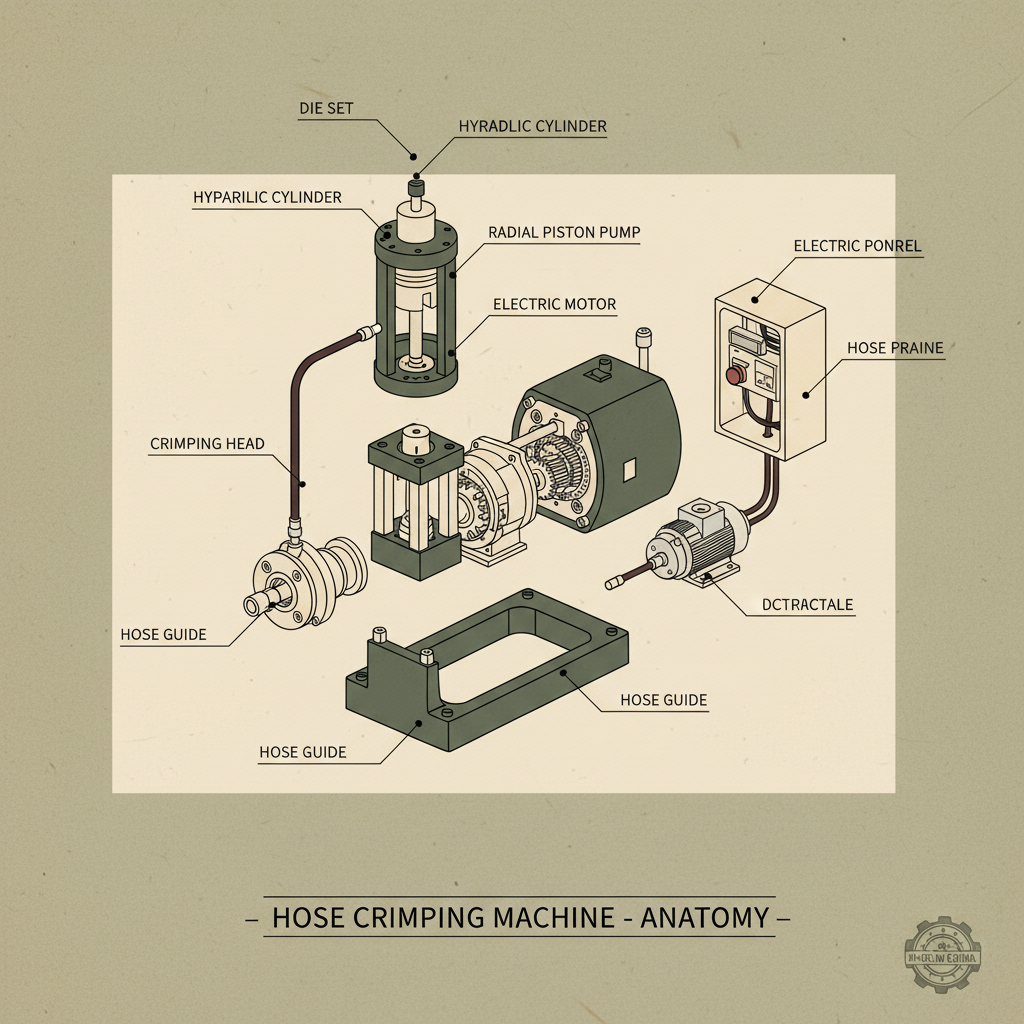
The Current Landscape of hose crimping machine china
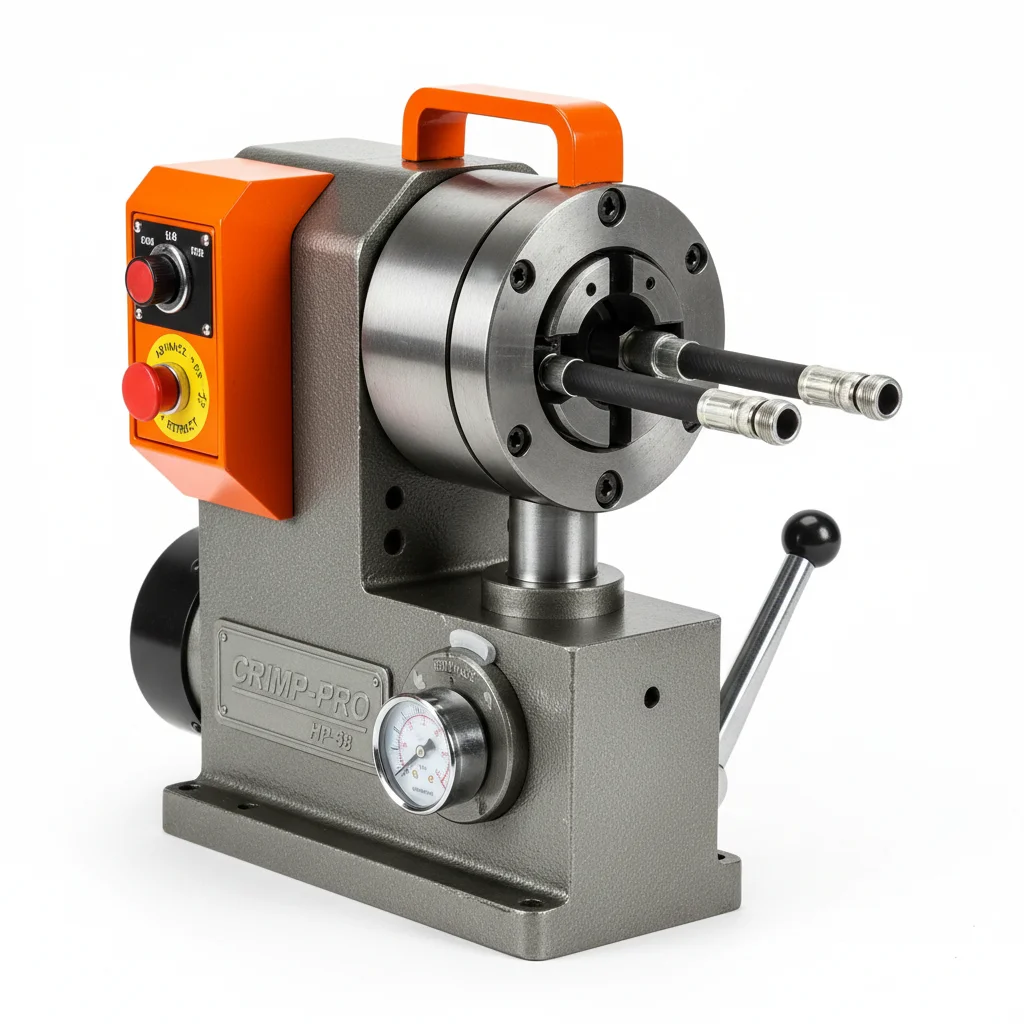
To be honest, China is dominating the hose crimping machine market right now. You can't swing a wrench without hitting a supplier. It’s not all bad, though. Competition drives prices down, which is good for everyone. But you've got to be careful about quality control. I’ve seen a lot of machines flooding the market that just aren't built to last. The good ones are good, really good, but you gotta know where to look.
What’s trending? Definitely the smaller, portable machines. Guys want to take the crimper to the job, not the other way around. And the demand for machines that can handle a wider range of hose sizes and materials is increasing. Everyone's using different stuff these days—hydraulic hoses, industrial hoses, even some of the newer composite materials. It’s a constant challenge.
Common Design Pitfalls in hose crimping machine china
Have you noticed how many manufacturers focus on the power of the pump but skimp on the die alignment? It's a classic mistake. If the dies aren’t perfectly aligned, you’re going to get uneven crimps, which leads to leaks, which leads to…well, you get the picture. It’s a headache. Another thing: overly complex control panels. I work with guys who’ve been crimping hoses for 30 years. They don’t need a touchscreen with 50 different settings. They need a simple, reliable machine that just works.
And the safety features. Some of these machines have so many safety interlocks that it's a pain to operate them. I understand the need for safety, of course, but there’s a balance. You don't want to create a machine that’s more dangerous to use because it’s so cumbersome.
Strangely enough, I also see a lot of machines with insufficient lubrication systems. That’s a recipe for disaster. The constant pressure and friction will wear things out quickly.
Material Science: What Matters on the Ground with hose crimping machine china
The die material is crucial, like I was saying before. We're seeing a shift away from the cheaper alloys towards tool steels. They're more expensive upfront, but they last much longer. You can smell the difference, honestly. The cheap stuff has a metallic tang, almost a burning smell when it's under stress. The tool steel, it's…cleaner. It feels solid.
Then there's the steel used in the frame. You want something with high tensile strength and good weldability. I've seen frames crack under heavy use, especially on the cheaper machines. The welding quality is also important. Bad welds are just waiting to fail.
And don't even get me started on the seals. They need to be resistant to hydraulic fluid, extreme temperatures, and general wear and tear. I recommend sticking with Viton seals whenever possible. They're more expensive, but they hold up much better than the nitrile rubber seals.
Real-World Testing and Performance of hose crimping machine china
Forget the lab tests. They’re nice for getting baseline data, but they don’t tell you how the machine will perform in the real world. I like to see machines tested on actual construction sites, under actual conditions. Mud, dust, extreme temperatures, rough handling – that’s where you really find out what a machine is made of.
We run a simple test: crimp 100 hoses of different sizes and materials, back to back, without stopping. If the machine starts to overheat, or if the crimps become inconsistent, it fails. We also check for leaks, excessive vibration, and any signs of stress on the frame. It’s brutally simple, but effective.
hose crimping machine china Performance Metrics
User Behavior and Unexpected Applications of hose crimping machine china
You'd be surprised what people use these machines for. It's not always just hydraulic hoses. We've had customers using them to crimp cable sleeves, metal tubing, even some specialized plastic components. They find ways to adapt them, which is cool.
I've also noticed that a lot of users don't bother reading the manual. They just dive in and start experimenting. Some of them get away with it, others…not so much. Proper training is essential, but it's often overlooked.
Advantages, Disadvantages, and the Value Proposition of hose crimping machine china
The advantage of the Chinese machines, let's be real, is the price. They’re significantly cheaper than the European or American brands. But that comes at a cost. The build quality isn't always the best, and the parts aren't as readily available.
Another advantage is the sheer variety. You can find a machine for almost any application, no matter how niche. The disadvantage? Well, I mentioned the quality control issues. And the customer support can be hit or miss. But hey, you get what you pay for, right?
Ultimately, the value proposition is simple: affordable, reliable crimping power. If you’re a small shop or a mobile service provider, a Chinese-made crimper can be a good option. Just do your research and buy from a reputable supplier.
Customization and Specific Case Studies with hose crimping machine china
Anyway, I think customization is key. Last month, this small boss in Shenzhen who makes smart home devices insisted on changing the interface to instead of the standard quick-connect fittings. Said it was for "brand consistency". It was a pain in the neck, but we got it done. Turned out, he was just trying to make his product look more…premium. I saw the marketing photos later and understood.
We've also had requests for custom die sets, different pump sizes, even modifications to the control system. The Chinese manufacturers are surprisingly flexible. They’re willing to work with you to get exactly what you need.
Another example: a mining company in Australia needed a machine that could operate in extremely dusty conditions. We ended up enclosing the entire machine in a sealed housing with a forced-air cooling system. It wasn’t cheap, but it solved their problem.
Summary of Common Customization Requests for hose crimping machine china
| Customization Type |
Application Area |
Complexity Level |
Estimated Cost Impact |
| Die Set Modification |
Specialized Hose Types |
Medium |
$500 - $1500 |
| Pump Upgrade |
High-Pressure Applications |
High |
$1000 - $3000 |
| Interface Changes |
Brand Consistency |
Low |
$200 - $500 |
| Enclosure Sealing |
Dusty/Harsh Environments |
High |
$1500 - $5000 |
| Control System Modification |
Automated Processes |
Medium-High |
$800 - $2000 |
| Lubrication System Upgrade |
Continuous Operation |
Medium |
$400 - $1000 |
FAQS
Honestly, it's skimping on the dies. They think the machine is the important part, but a cheap die will ruin your crimps, and you'll be back to square one. Spend the extra money on a good set of dies, and you’ll be much happier in the long run. I've seen too many guys learn that the hard way, replacing hoses over and over because of a bad crimp. It’s just not worth it.
It depends on how much you use it, but as a rule of thumb, I recommend replacing them every 6-12 months, or after every 500 crimps, whichever comes first. Keeping an eye out for leaks is also a good idea. Seals are cheap, hoses aren’t. Don’t wait until you have a major hydraulic failure to replace them. Preventative maintenance is key.
Some of the simpler repairs, like replacing seals or hoses, you can probably handle yourself if you’re mechanically inclined. But anything involving the pump or the hydraulic system, I’d recommend calling in a professional. Messing with hydraulics can be dangerous if you don’t know what you’re doing. It’s just not worth the risk. And always disconnect the power before attempting any repairs!
Keep it clean and dry. Seriously. Dust and moisture are the enemy. Also, release the hydraulic pressure before storing it. You don't want the seals to be constantly under stress. A little bit of oil in the cylinder can also help prevent corrosion. And if you're storing it outdoors, cover it up with a tarp. The elements are brutal.
You generally want to use a high-quality hydraulic oil with a viscosity of ISO 46. Check your machine's manual for specific recommendations. Using the wrong type of oil can damage the pump and other components. And don't mix different types of oil. It can cause all sorts of problems. Stick with what the manufacturer recommends.
Look for a supplier with a good track record, positive customer reviews, and a solid warranty. Don't be afraid to ask questions and request references. And make sure they have a reliable supply of spare parts. You don’t want to be stuck waiting weeks for a replacement part when your machine breaks down. Also, verify their quality control processes. It's worth the effort.
Conclusion
So, to sum it all up: these Chinese hose crimping machines are a bit of a mixed bag. They offer incredible value for the money, but you have to be smart about it. Focus on quality components, prioritize preventative maintenance, and don’t be afraid to customize the machine to your specific needs.
Ultimately, whether this thing works or not, the worker will know the moment he tightens the screw. That's it. All the engineering, all the specs, all the marketing… it all comes down to that one simple moment. And if the crimp holds, you know you’ve got a good machine. Check out our range at www.willexcrimper.com.