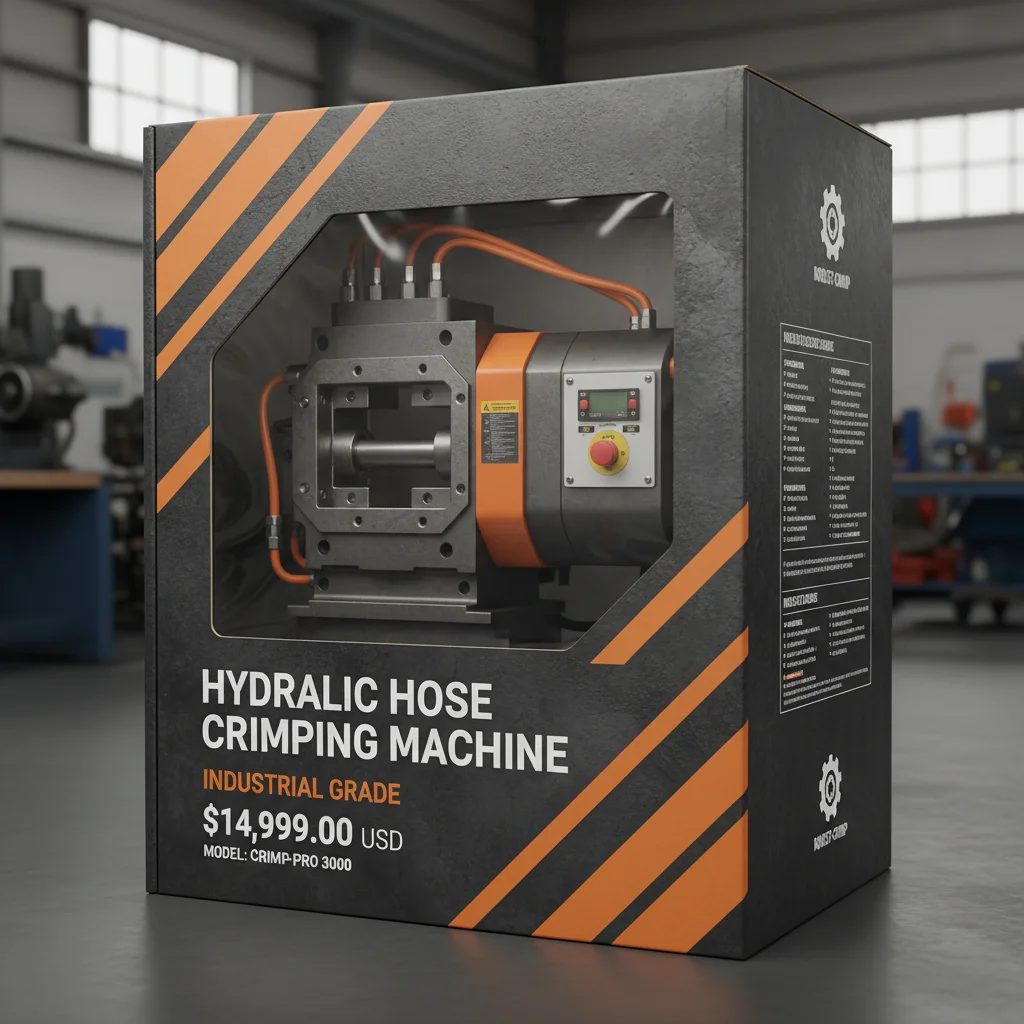
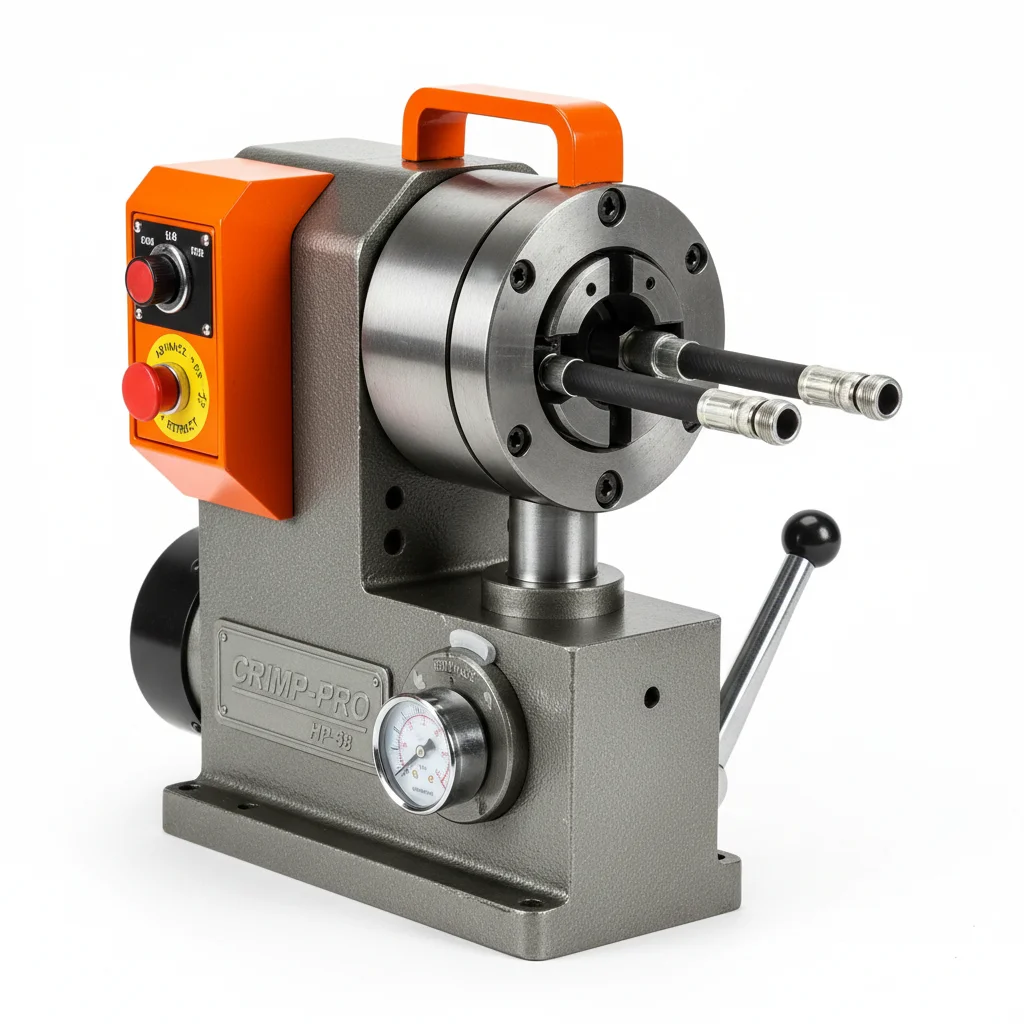
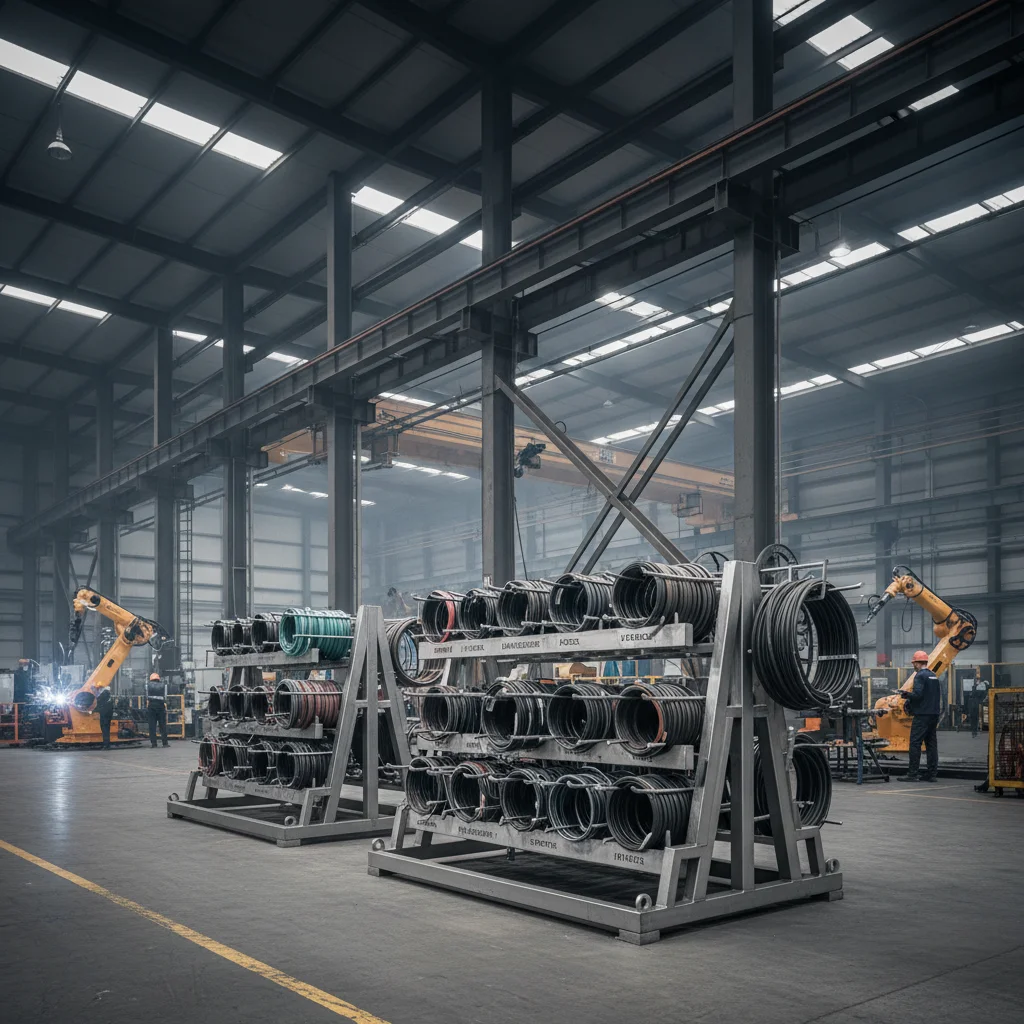
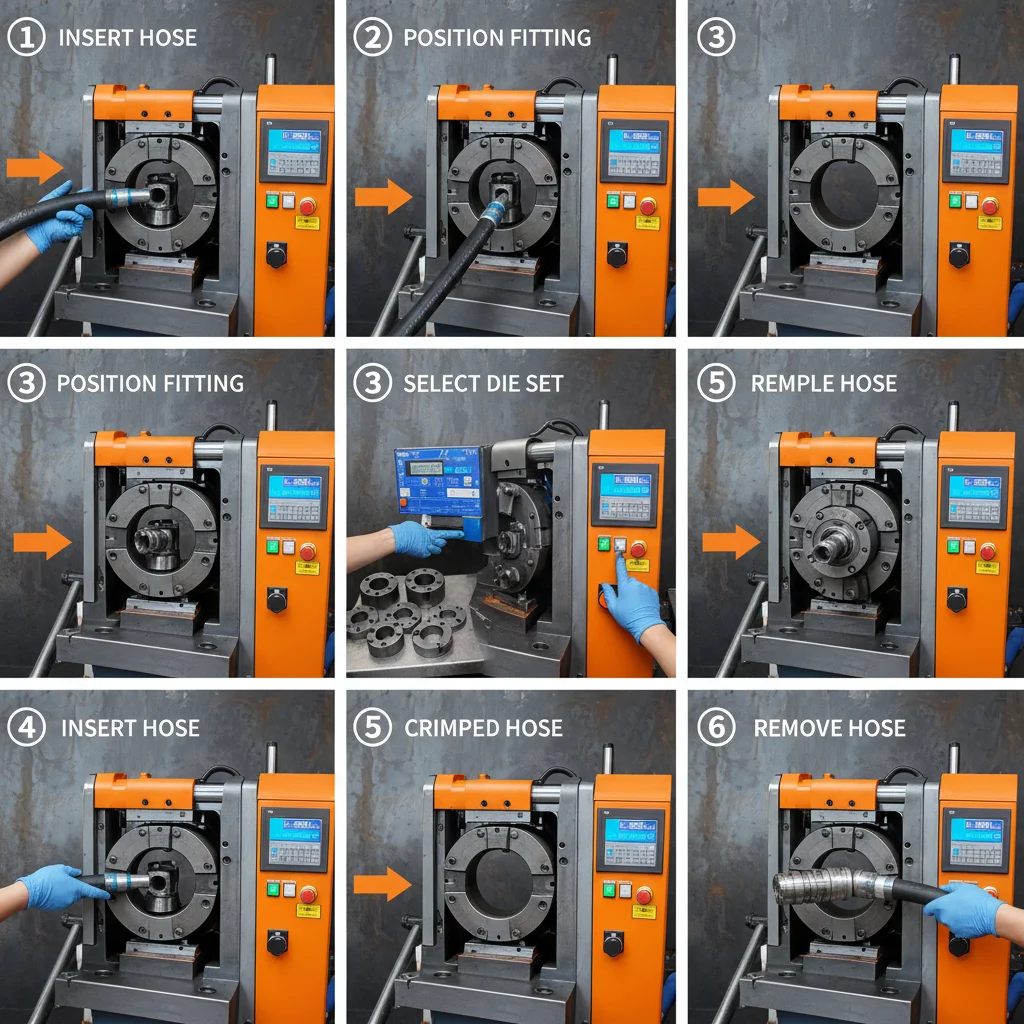
Look, I've been running around construction sites for over ten years, getting my hands dirty with everything from rebar to hydraulic hoses. And honestly, the biggest shift I’ve seen lately is everyone chasing ‘smart’ solutions. Remote monitoring, predictive maintenance… fancy stuff. But a lot of these guys forget the basics. A machine is only as good as its parts, and the parts are only as good as how they’re made and how they hold up to actual use. Have you noticed how everyone wants to automate everything? It's good, sure, but if the core components are flimsy, all that automation just amplifies the failures, faster.
I tell you, chasing the latest tech without solid fundamentals is a recipe for disaster. I saw a system fail spectacularly last quarter, just because the base metal wasn't up to the task. To be honest, it was embarrassing for everyone involved.
And the thing is, these hydraulic hose crimping machines... they're not glamorous. They’re workhorses. You need something reliable, something that won’t leave a guy stranded in the middle of a job.
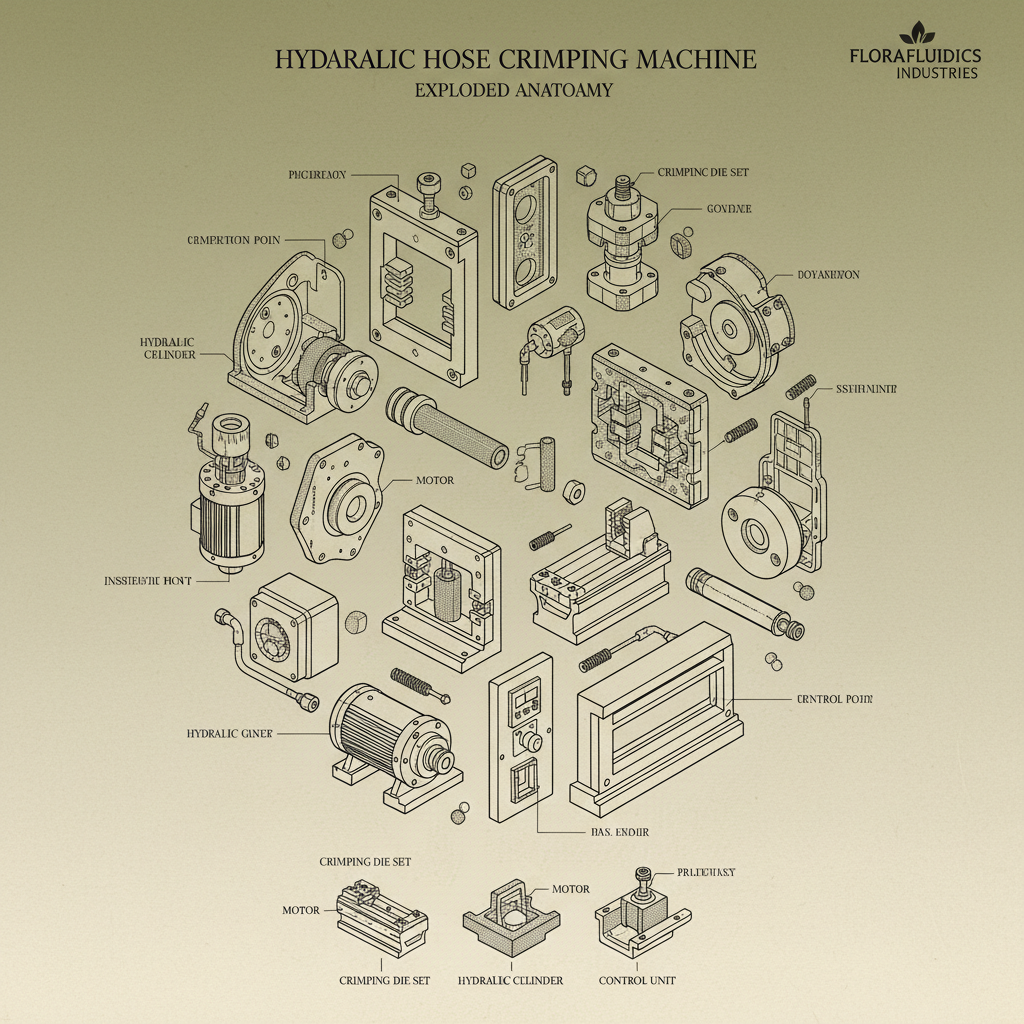
The Evolving Landscape of hydraulic hose crimping machine manufacturer
I encountered this at a factory in Ningbo last time. They were bragging about their new “high-speed” machine. Looked slick, all shiny and digital. But the steel… the steel felt thin. Like it wouldn’t hold up to continuous use. Strangely, they were more concerned with the cycle time than the longevity of the thing. The market's moving towards faster production, that's for sure, but not at the cost of reliability. It's a delicate balance, and too many manufacturers are tipping the scales the wrong way.
Anyway, I think the increasing demand is driven by infrastructure projects worldwide. China, India, Southeast Asia… they're all building, and they all need hoses. That puts a strain on the supply chain, and frankly, increases the temptation to cut corners. We, as manufacturers, have to resist that.
Design Pitfalls and Common Mistakes
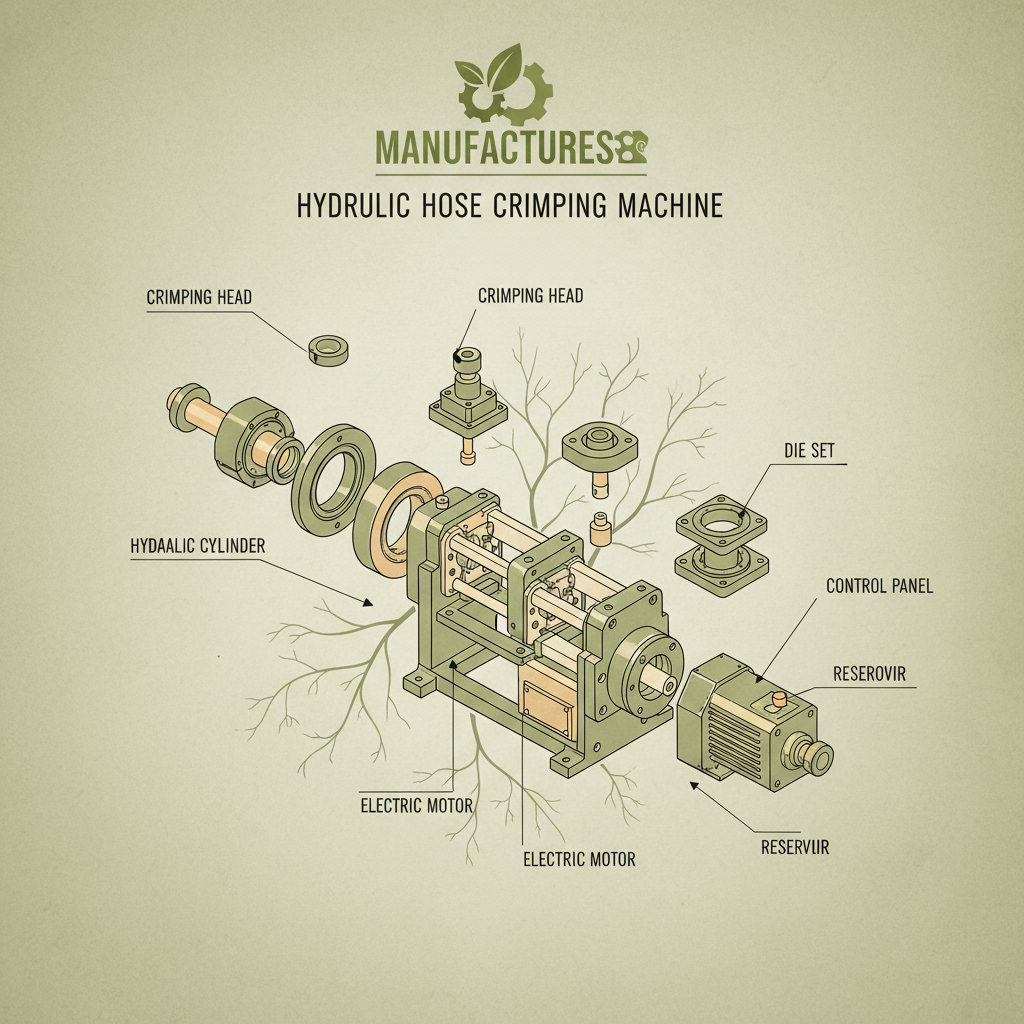
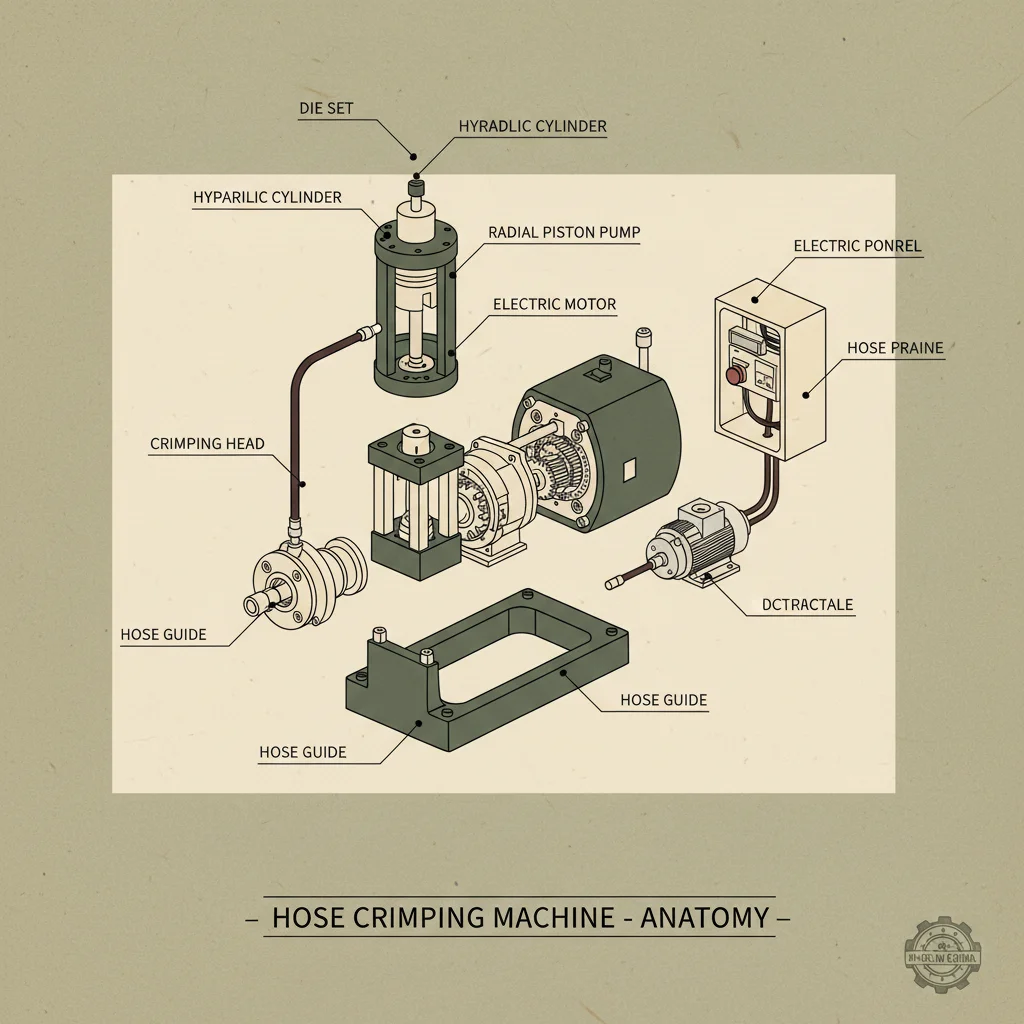
One thing I’ve noticed, and it drives me crazy, is the placement of lubrication points. Designers will put them in places where a mechanic can't actually reach them without contorting themselves into a pretzel. Or they’ll make them inaccessible after the machine is fully assembled. It’s just… shortsighted. Another big one is the die sets. Using cheap dies will ruin a perfectly good machine in no time. You need high-quality dies that can withstand the pressure and maintain their shape. I’ve seen machines where the dies warped after just a few hundred crimps.
And don’t even get me started on the safety interlocks. They need to be robust and reliable. A faulty interlock can lead to serious injury, and that’s something we can’t compromise on.
To be honest, the biggest design flaw I see is over-complication. Keep it simple, keep it robust, and keep it maintainable. That's my mantra.
Material Matters: Beyond the Spec Sheet
The steel is the heart of the machine, obviously. You want something with high tensile strength, good ductility, and resistance to fatigue. 4140 alloy steel is a good starting point, but the heat treatment is critical. It has to be done right, or you'll end up with a brittle piece of junk.
But it’s not just about the steel. The bushings, the bearings, the seals… they all matter. I like to smell the rubber seals when they arrive. Sounds weird, I know. But if it smells strongly of chemicals, it's probably low quality and won't last. And the bushings? You want something that's self-lubricating, so you don't have to constantly grease them. I’ve seen guys skip greasing, and that's when things really fall apart.
And the hydraulic fluid! Don't cheap out on the fluid. A good quality hydraulic fluid will protect the components and extend the life of the machine. I’ve seen machines seize up because someone used the wrong type of fluid. It’s just not worth the risk.
Real-World Testing and Durability
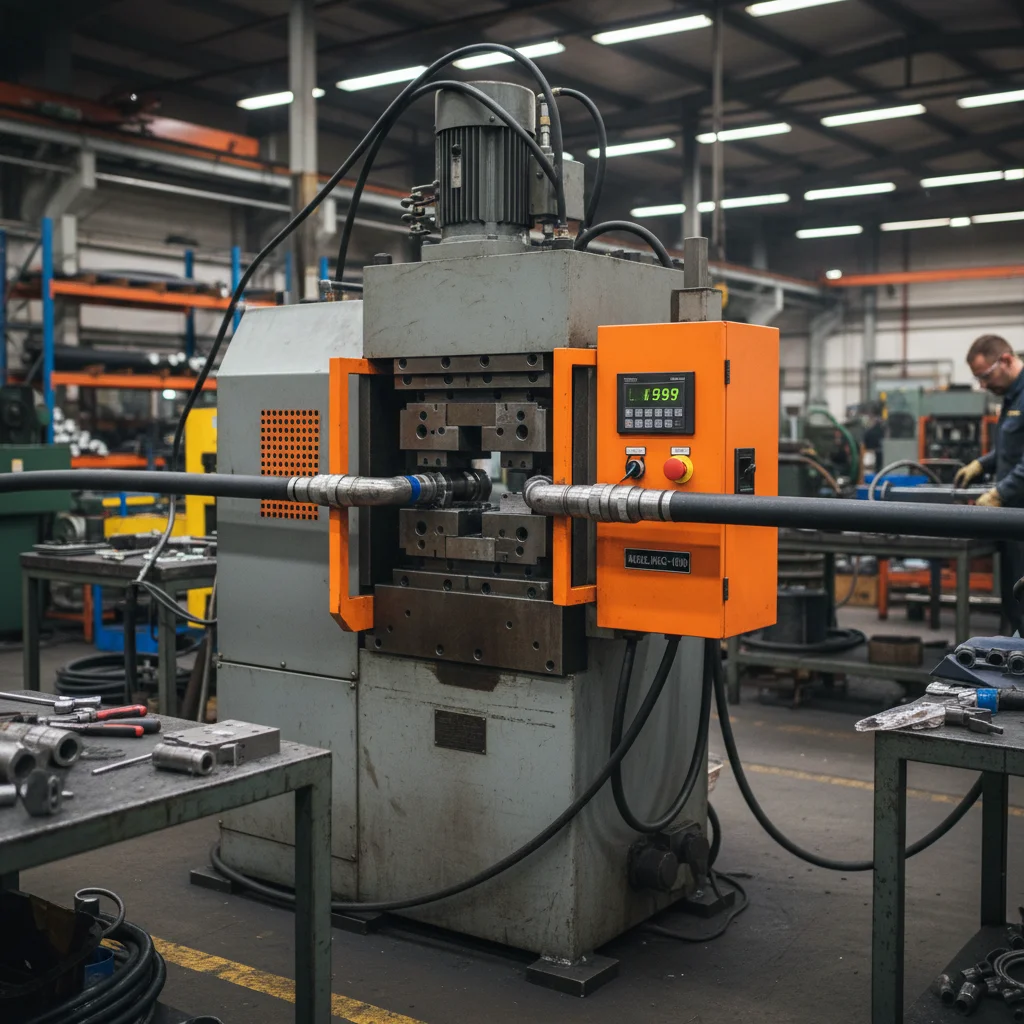
Lab tests are fine, but they don’t tell the whole story. You need to see how a machine holds up in a real-world environment. I like to run them in a workshop where we simulate actual job site conditions. Dirt, dust, vibration, temperature extremes… the whole shebang.
We’ve got a rig where we cycle the machine continuously, crimping hoses until something breaks. Brutal, I know, but it’s the best way to identify weaknesses. We also do pressure tests, of course. But we don't just test to the maximum rated pressure. We go beyond that, to see how much safety margin we have.
hydraulic hose crimping machine manufacturer Component Reliability
How Users Actually Employ hydraulic hose crimping machine manufacturer
You know, it's funny. We design these machines thinking people will use them a certain way, but then you go on-site and see them doing things you never imagined. Some guys will try to crimp hoses that are way outside the specified range. Others will overload the machine, thinking it can handle anything. And some will just ignore the maintenance schedule altogether.
The thing is, a lot of these guys aren’t trained hydraulic technicians. They're mechanics, plumbers, construction workers… they just need a machine that gets the job done. So it has to be user-friendly, forgiving, and reliable. It has to be something they can pick up and use without a ton of instruction.
Advantages and the Inevitable Trade-offs
A good machine pays for itself quickly. Less downtime, fewer repairs, more efficient production… it all adds up. But there are trade-offs. More robust machines are usually heavier and more expensive. And faster machines often sacrifice some accuracy. It's a balancing act.
I tell you what's not a trade-off: ease of maintenance. A machine that's easy to maintain will save you money in the long run. That's why we design our machines with readily available parts and simple maintenance procedures.
To be honest, a lot of those fancy machines with all the bells and whistles are a pain to repair. You need a specialized technician and a truckload of tools just to change a fuse. No thanks.
Customization and Special Applications
We get a lot of requests for customization. Last month, that small boss in Shenzhen who makes smart home devices insisted on changing the interface to . Said it was “more modern.” The result was a nightmare. He spent weeks trying to get it to work, and in the end, he had to go back to the standard connector. Sometimes, “modern” isn’t better.
We can, of course, handle more sensible customizations. Different die sets for specific hose sizes, custom voltage requirements, even different paint colors. We've built machines for offshore platforms with special corrosion-resistant coatings. It all depends on the application.
We also do a lot of work with mobile crimping units. These are machines mounted on trucks or trailers, for on-site repairs. They’re popular with mining companies and construction firms who need to keep their equipment running 24/7.
A Summary of Hydraulic Hose Crimping Machine Manufacturer Feature Variations
| Crimping Force Capacity |
Hose Diameter Range |
Automation Level |
Portability/Mounting |
| 150 tons |
Up to 1 inch |
Manual |
Benchtop |
| 200 tons |
Up to 1.25 inches |
Semi-Automatic |
Floor Mounted |
| 250 tons |
Up to 1.5 inches |
Fully Automatic |
Trailer Mounted |
| 180 tons |
Up to 1.125 inches |
Manual |
Portable (hand carry) |
| 300 tons |
Up to 2 inches |
Semi-Automatic |
Skid Mounted |
| 220 tons |
Up to 1.375 inches |
Fully Automatic |
Stationary |
FAQS
Honestly, it's not thinking about the long-term. They get caught up in the initial price tag and forget about maintenance costs, downtime, and the cost of replacing cheap parts. A good machine is an investment, not an expense. You need to consider the total cost of ownership, not just the upfront cost. Think about the availability of spare parts and the ease of servicing the machine. It's about reliability and durability, not just getting the cheapest option.
That depends on the machine and the operating environment, but generally, you should be lubricating the moving parts every shift or at least daily. Check the manual for specific recommendations. Don't skimp on the lubrication. It's a small thing that can prevent a lot of problems down the road. I’ve seen machines seize up because someone neglected the lubrication. It's a preventable problem, but it happens all the time.
First, check the die sets. Make sure they're clean and in good condition. Then, check the hydraulic pressure. Is it within the specified range? If not, there may be a problem with the pump or the valves. Finally, check the hose and fittings. Are they compatible with the machine? It's a process of elimination, really. And if you're not sure what you're doing, call a qualified technician. It’s better to be safe than sorry.
Yes, but you need to use the correct die sets for each material. Different hose materials have different properties, and require different crimping pressures and die shapes. Using the wrong die set can damage the hose or create a weak crimp. Always consult the hose manufacturer's recommendations for the appropriate die set and crimping parameters.
Definitely look for machines with interlocks, emergency stop buttons, and guards. These features are designed to protect the operator from injury. A properly designed machine should prevent someone from accidentally getting their hands caught in the moving parts. It's a non-negotiable. Also, proper training is crucial. Even the safest machine can be dangerous if it’s operated improperly.
It's a growing concern. Newer machines often feature energy-saving hydraulic systems and optimized pump designs. Older machines can be real energy hogs. Look for machines with variable-speed drives and automatic shut-off features. It may not seem like a big deal, but over time, those energy savings can add up.
Conclusion
Ultimately, hydraulic hose crimping machines are about reliability and durability. They need to withstand harsh conditions, continuous use, and the inevitable mistakes of human operators. Choosing the right machine means considering the long-term costs, the ease of maintenance, and the quality of the components. It’s not about chasing the latest technology; it’s about finding a machine that gets the job done, day in and day out.
But here's the thing, and I tell everyone this: whether this thing works or not, the worker will know the moment he tightens the screw. They're the ones on the front lines. They're the ones who feel the difference between a well-built machine and a cheap knock-off. And their feedback is the most valuable thing we have.