• Home
  • Top Blog
  • Understanding Hose Crimping Machine Price Factors and Market Dynamics

Understanding Hose Crimping Machine Price Factors and Market Dynamics

0%

Table of Contents

The selection of a hose crimping machine represents a crucial investment for businesses across numerous industries, from automotive and hydraulic systems to construction and agriculture. Understanding the intricacies of hose crimping machine price is paramount for optimizing operational efficiency, ensuring product reliability, and ultimately, maximizing return on investment. The global demand for robust and dependable hose assemblies fuels a consistent need for these machines, making informed purchasing decisions more critical than ever.

The market for hose crimping machines is a dynamic one, influenced by technological advancements, evolving industry standards, and fluctuations in raw material costs. Hose crimping machine price varies significantly based on factors like capacity, automation level, and manufacturer reputation. A comprehensive understanding of these factors is essential for navigating the complexities of the market and securing a machine that aligns with specific operational requirements.

Effectively managing the cost of a hose crimping machine extends beyond the initial purchase price. Considerations such as maintenance, energy consumption, and operator training all contribute to the total cost of ownership. By carefully evaluating these aspects, businesses can make informed decisions that minimize long-term expenses and ensure the longevity of their investment.
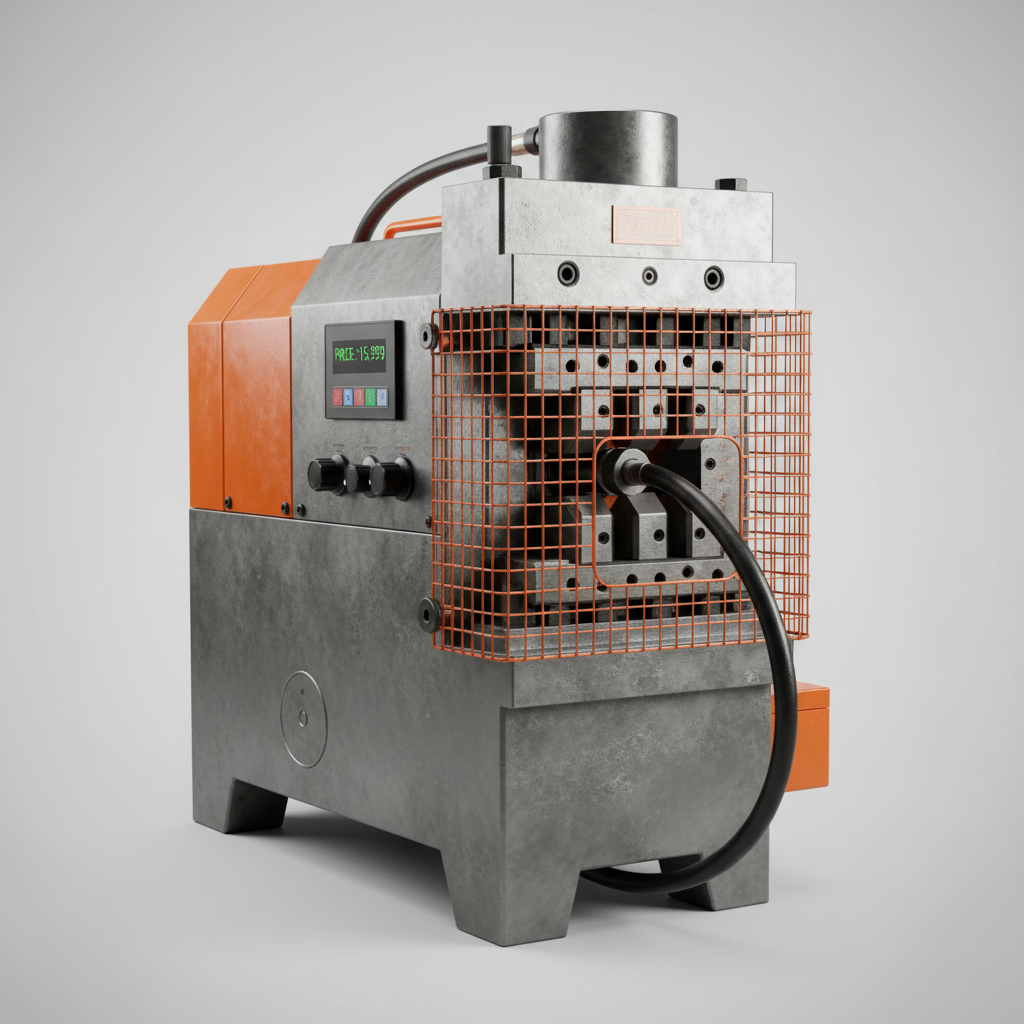
hose crimping machine price

Understanding Hose Crimping Machine Price
hose crimping machine price

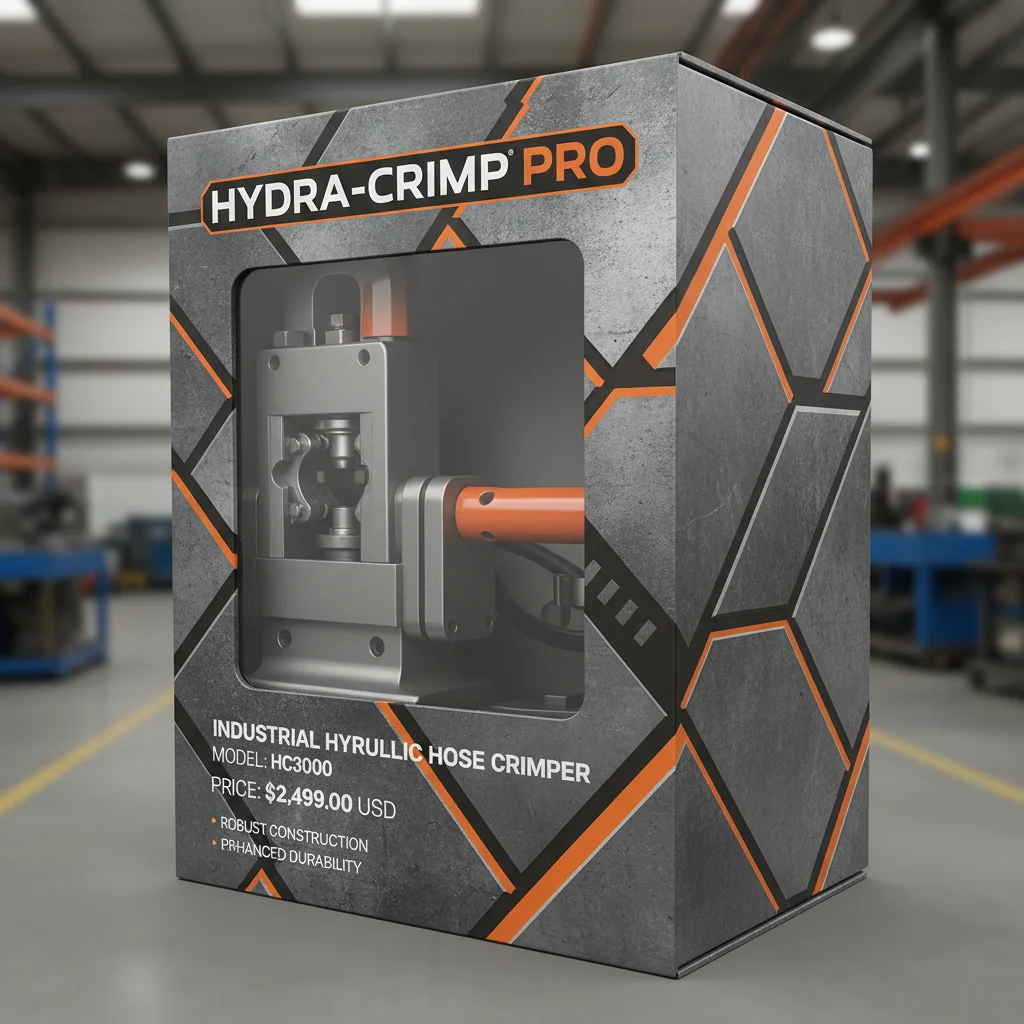
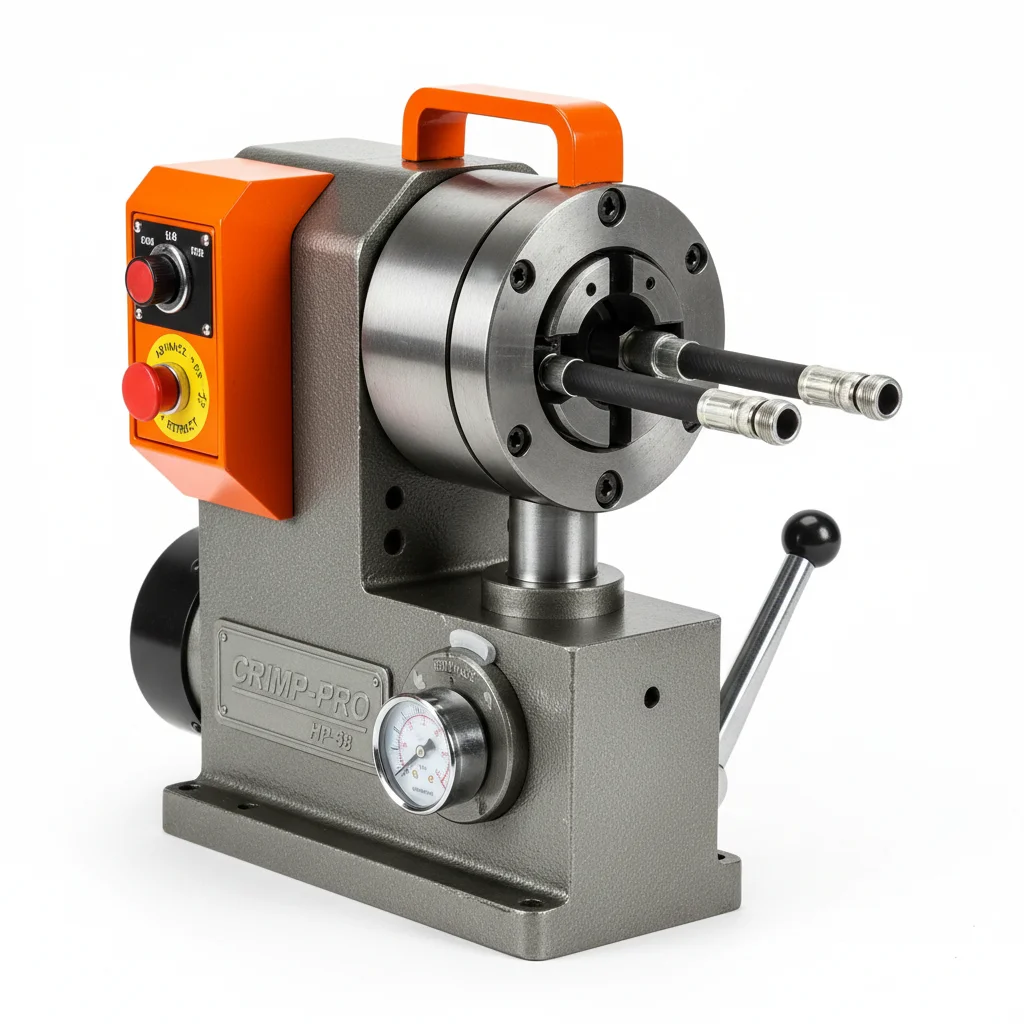
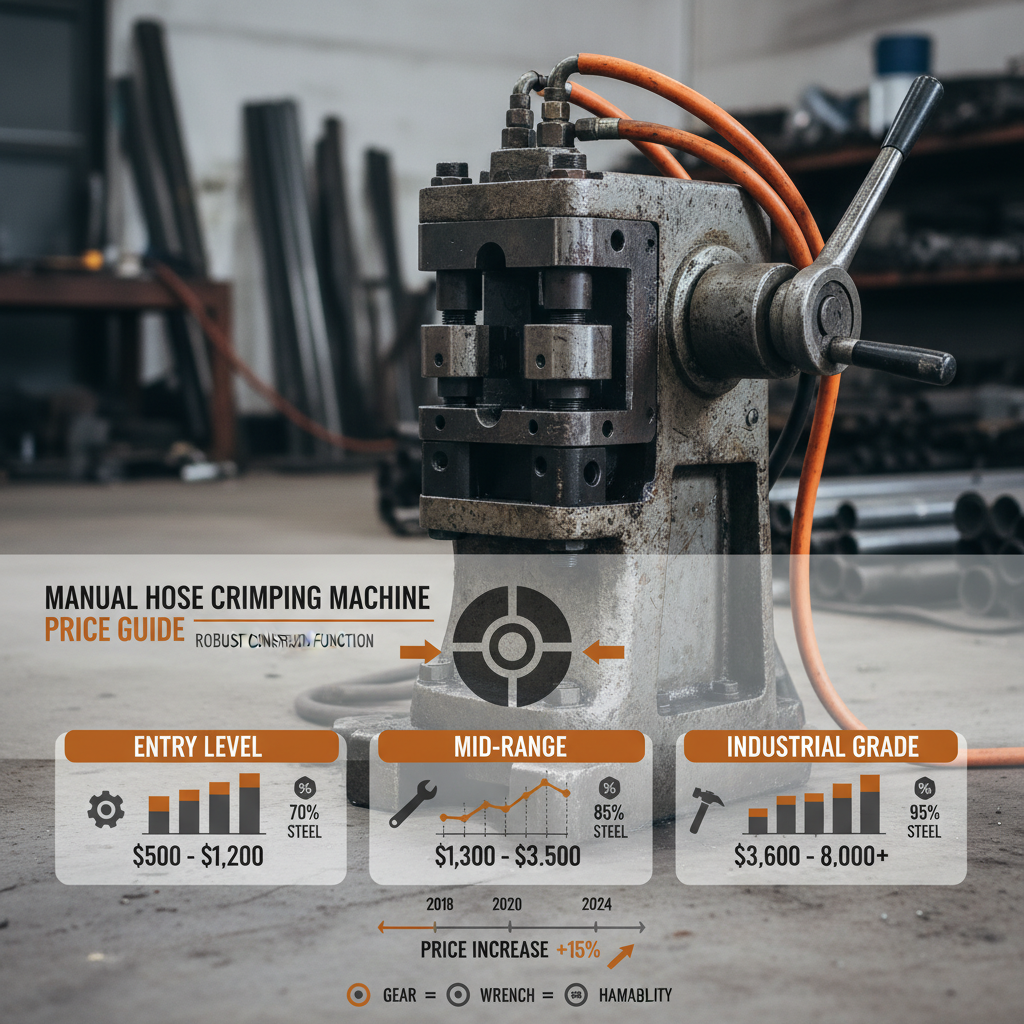
The hose crimping machine price isn’t simply a dollar amount; it’s a reflection of the machine’s capabilities, build quality, and the level of automation it offers. A basic manual machine will be significantly cheaper than a fully automated, computer-controlled system. Understanding these price differentiators is the first step in making an informed decision.

Several economic factors also play a role. Global supply chain disruptions, raw material costs (steel, electronics), and currency exchange rates can all influence the final price tag. Keeping abreast of these broader economic trends can provide valuable insights when planning a purchase.

Defining Hose Crimping Machine Price

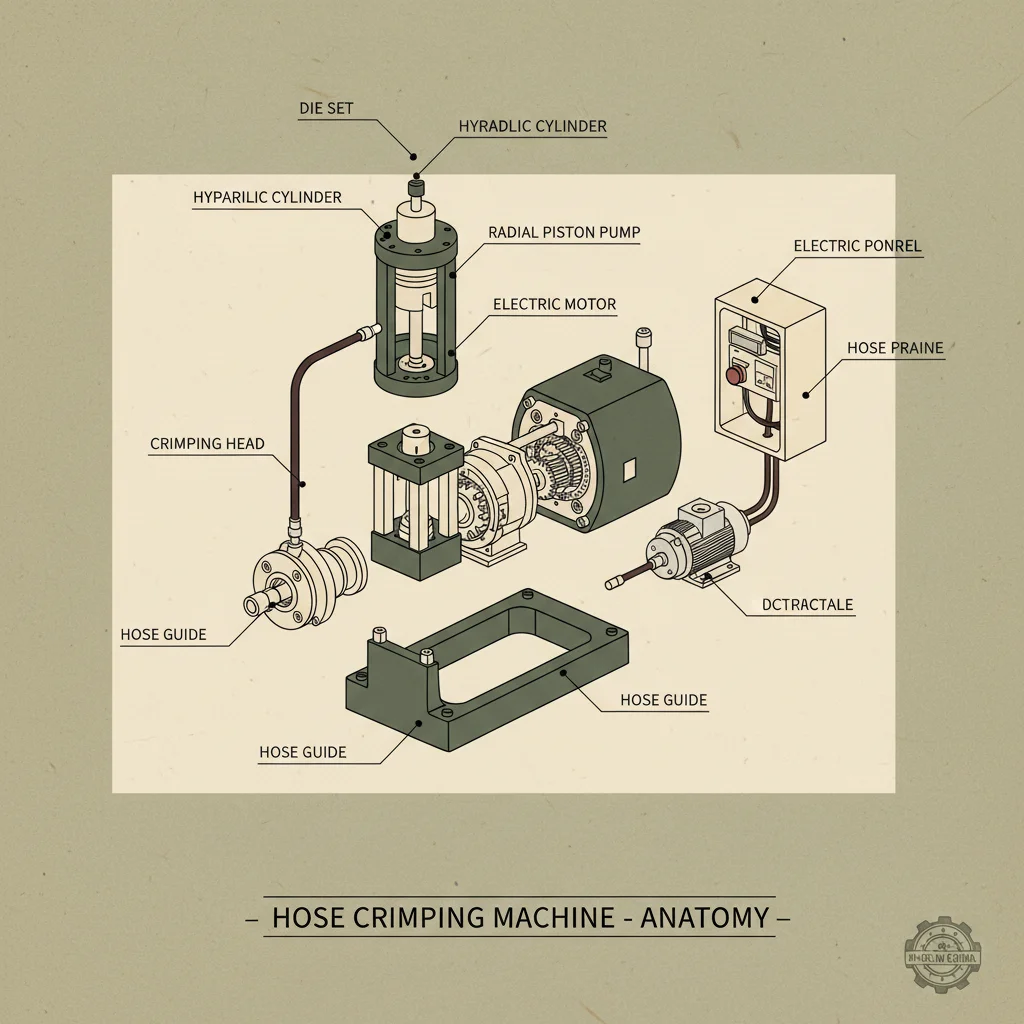
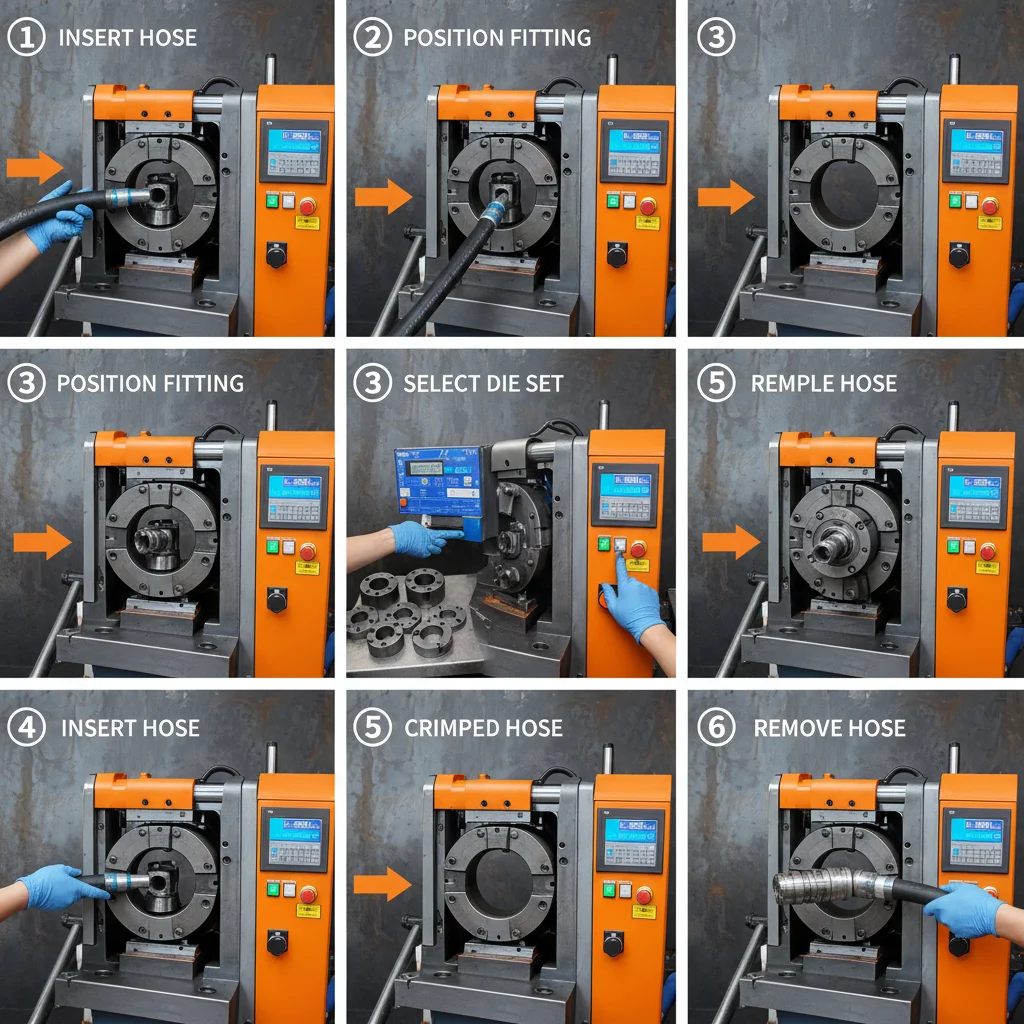
Hose crimping machine price refers to the total cost associated with acquiring a machine capable of permanently attaching fittings to hoses using a crimping process. This price encompasses not only the base unit but also any included accessories, die sets, tooling, and initial setup costs. It's essential to define what's included in the quoted price to avoid unexpected expenses.

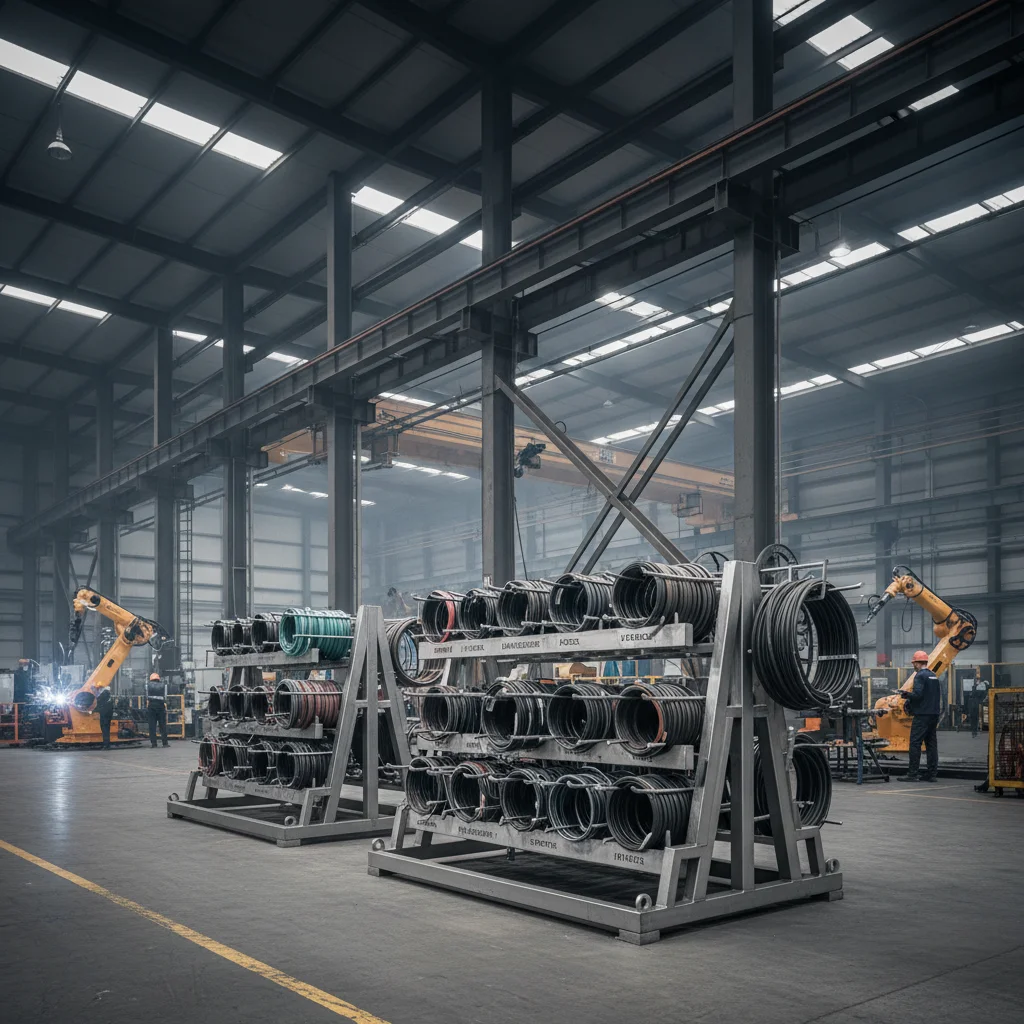
In the modern industrial landscape, reliable hose assemblies are critical components in countless applications, ranging from hydraulic systems in heavy machinery to fluid transfer in agricultural equipment. The accuracy and consistency of the crimping process directly impact the performance and safety of these systems, making the quality of the crimping machine paramount.

The price point also reflects the machine's ability to meet industry-specific standards and certifications. Machines designed for aerospace or medical applications, for example, will typically command a higher price due to the stringent quality control measures and documentation required.

Key Factors Influencing Hose Crimping Machine Price

The capacity of the machine – the maximum hose diameter and pressure rating it can handle – is a primary driver of hose crimping machine price. Machines designed for larger hoses and higher pressures will generally be more expensive due to the heavier-duty components and more robust construction required.

Automation is another significant factor. Manual machines are the most affordable, requiring an operator to perform each crimping cycle. Semi-automatic machines offer some automation, reducing operator fatigue and increasing consistency, while fully automatic machines can operate with minimal human intervention, maximizing efficiency and throughput.

The brand reputation and after-sales support also contribute to the price. Established manufacturers with a proven track record of reliability and comprehensive service networks often charge a premium. The cost of replacement parts, technical assistance, and warranty coverage should be considered.

Applications and Use Cases of Hose Crimping Machines

Hose crimping machines are indispensable in the automotive industry, where they are used to manufacture hydraulic hoses for power steering, brakes, and cooling systems. They are also vital in the construction sector for producing hoses for heavy machinery such as excavators, loaders, and cranes.

Agricultural operations rely heavily on hose crimping machines for irrigation systems, spraying equipment, and hydraulic hoses for tractors and harvesters. Marine applications, including shipbuilding and boat maintenance, also require reliable hose assemblies.

In post-disaster relief operations, portable hose crimping machines can be deployed to quickly repair damaged hydraulic systems in emergency vehicles and equipment, restoring critical infrastructure. In remote industrial zones, where access to pre-crimped hoses may be limited, on-site crimping capabilities can significantly reduce downtime.

Hose Crimping Machine Price Comparison by Application

Advantages and Long-Term Value

Investing in a high-quality hose crimping machine offers significant cost savings over time by reducing the need to outsource hose assembly. This in-house capability allows for greater control over production schedules and faster turnaround times.

The reliability and durability of a well-maintained machine contribute to a lower total cost of ownership. Furthermore, accurate and consistent crimping ensures the safety and longevity of hose assemblies, minimizing the risk of costly failures and downtime. A thoughtfully selected machine with long-term support enhances a company’s reputation for quality and dependability.

Future Trends in Hose Crimping Technology

The integration of Industry 4.0 principles is driving the development of smart hose crimping machines with advanced sensors, data analytics, and remote monitoring capabilities. These machines can optimize crimping parameters, predict maintenance needs, and improve overall operational efficiency.

Automation and robotics are playing an increasingly important role, with fully automated systems capable of handling a wider range of hose sizes and materials with minimal human intervention. New materials, such as thermoplastic hoses, are also influencing machine design, requiring specialized tooling and crimping profiles.

Challenges and Considerations When Purchasing

One common challenge is selecting the right machine for specific application requirements. It's crucial to carefully assess hose sizes, pressure ratings, and materials to ensure compatibility. Proper operator training is also essential to maximize efficiency and safety.

Another consideration is the availability of spare parts and technical support. Choosing a reputable manufacturer with a strong service network can minimize downtime and ensure the longevity of the investment. Space constraints and power requirements should also be taken into account.

Ongoing maintenance, including die set replacement and lubrication, is critical to maintaining machine performance and preventing costly repairs. Regular inspections and preventive maintenance schedules should be established and followed diligently.

Summary of Factors Influencing Hose Crimping Machine Price

Machine Capacity Automation Level Manufacturer Reputation Included Accessories
Maximum hose diameter and pressure rating. Manual, semi-automatic, or fully automatic. Brand recognition and after-sales support. Die sets, tooling, and safety features.
Larger capacity = higher price. Higher automation = increased price. Established brands typically charge a premium. More accessories = higher overall cost.
Impacts range of applications. Affects production efficiency and labor costs. Influences reliability and service availability. Reduces the need for separate purchases.
Rated 1-10: 8 Rated 1-10: 7 Rated 1-10: 9 Rated 1-10: 6
Essential for specialized industries. Improves accuracy and repeatability. Provides peace of mind and long-term value. Streamlines the crimping process.
Consider future capacity needs. Balance automation with budget constraints. Research customer reviews and ratings. Ensure compatibility with hose types.

FAQS

What is the typical lifespan of a hose crimping machine?

The lifespan of a hose crimping machine can vary significantly depending on usage, maintenance, and the quality of the machine. Generally, a well-maintained machine from a reputable manufacturer can last between 10 and 20 years. Regular lubrication, die set replacements, and prompt repair of any issues are crucial for maximizing its longevity. The initial hose crimping machine price reflects the expected durability and quality of the components.

What types of hoses can a standard crimping machine handle?

Standard crimping machines typically handle a wide range of hoses, including hydraulic hoses, industrial hoses, and automotive hoses. However, the specific capabilities depend on the machine's capacity and die set selection. It's important to verify that the machine can accommodate the diameter, pressure rating, and material of the hoses you intend to crimp. Machines designed for specialized hoses (e.g., high-pressure or composite hoses) may require specific tooling.

How much maintenance is required for a hose crimping machine?

Regular maintenance is essential for ensuring optimal performance and extending the life of the machine. This includes daily lubrication of moving parts, periodic inspection of die sets for wear, and cleaning of the machine to remove debris. Annual professional servicing is also recommended to identify and address any potential issues. Neglecting maintenance can lead to costly repairs and downtime.

What is the difference between manual, semi-automatic, and automatic machines?

Manual machines require the operator to perform all steps of the crimping process. Semi-automatic machines assist with some steps, reducing operator fatigue and improving consistency. Automatic machines operate with minimal human intervention, maximizing efficiency and throughput. The hose crimping machine price increases significantly with each level of automation, reflecting the advanced technology and capabilities.

What factors affect the accuracy of a crimp?

Several factors contribute to crimp accuracy, including the correct die set selection, proper machine calibration, and operator skill. Ensuring that the die set matches the hose and fitting dimensions is crucial. Regular calibration ensures that the machine delivers consistent crimping force. Proper training for operators is essential for achieving optimal results.

Are there financing options available for purchasing a hose crimping machine?

Yes, many manufacturers and dealers offer financing options to help businesses acquire hose crimping machines. These options may include leasing, installment plans, or loans. The availability and terms of financing will vary depending on the vendor and the creditworthiness of the applicant. Exploring these options can make the hose crimping machine price more manageable.

Conclusion

In conclusion, the hose crimping machine price represents a significant investment, but one that can yield substantial long-term benefits. From cost savings and increased efficiency to improved product reliability and enhanced safety, a well-chosen machine is a valuable asset for any organization that relies on hose assemblies. Careful consideration of application requirements, automation levels, and manufacturer support is crucial for making an informed decision.

Looking ahead, the trend towards smart, automated, and data-driven hose crimping solutions will continue to shape the industry. Businesses that embrace these advancements will be well-positioned to optimize their operations, reduce costs, and maintain a competitive edge. Visit our website at www.willexcrimper.com to explore our comprehensive range of hose crimping machines and discover the perfect solution for your needs.

Brian Williams

Brian Williams

Brian Williams is a Research and Development Engineer at Dezhou Willex Hydraulic Machinery. Brian focuses on incorporating intelligent control systems and new materials into our hose crimping machines. He is often featured in our ‘News’ section, detailing Willex’s advancements in precision and automation. Holding a Master’s degree in Robotics, Brian specializes in data-driven maintenance and optimization of machinery performance. His work centers around developing predictive maintenance solutions that minimize downtime and maximize customer ROI. He actively explores innovative technologies to enhance energy conservation and environmental sustainability within our products. He’s a key driver in Willex’s commitment to future-proofing its equipment.
Previous Exploring Manual Hose Crimping Machine Price and Industry Applications
Next Understanding Hydraulic Hose Machine Price Trends and Investment Value
Message
  • *
  • *
  • *
  • *

If you are interested in our products, you can choose to leave your information here, and we will be in touch with you shortly.